
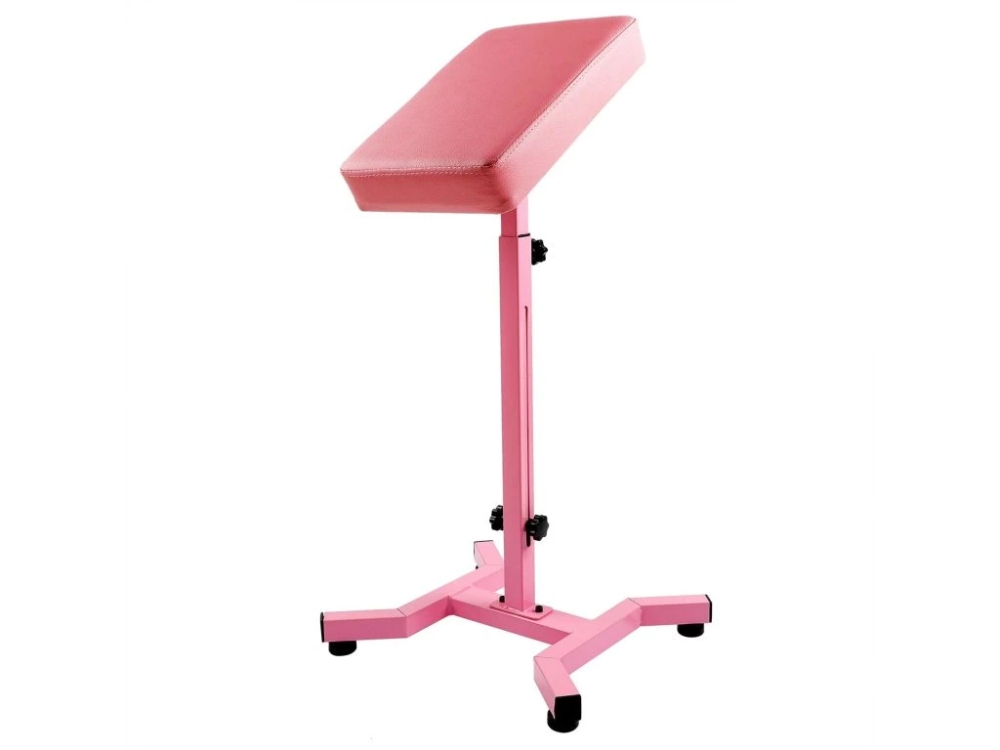
Armrests and leg rests matter because long tattoo sessions are not only about the machine or the ink. A stable limb position helps the artist keep a steadier hand, reduces repeated client movement, and makes the tattoo workstation easier to control from the first stencil check to the final wipe.
For studios and distributors, the buying question is practical: which tattoo armrest, tattoo leg rest, tattoo armrest stand, and seating pieces fit real room layouts? Yaba Tattoo treats these items as part of studio planning, not loose furniture added after the machines and supplies are chosen.
Why Does Positioning Become Harder During Long Sessions?
A short tattoo may only need a simple table position, but a long session exposes every weak point in the room. The client shifts, the artist changes hand angle, and the stencil area may need to stay reachable for several hours. Positioning equipment should reduce those small interruptions before they become part of the workday.
Small Movements Can Change Line Control
When a forearm, calf, or ankle is not supported, the artist may keep asking the client to relax, turn, or hold still. That breaks concentration and can also make the artist lean into awkward angles. A tattoo armrest or tattoo leg rest gives both sides a clearer resting point, especially during fine line, shading, and repeated passes.
This does not mean every room needs heavy furniture. It means the buyer should choose support based on the body area, chair height, artist stool, and table layout. A compact tattoo workstation still needs a stable place for the client limb and a clear working lane for the artist.
What Should Buyers Check In A Tattoo Armrest Stand?
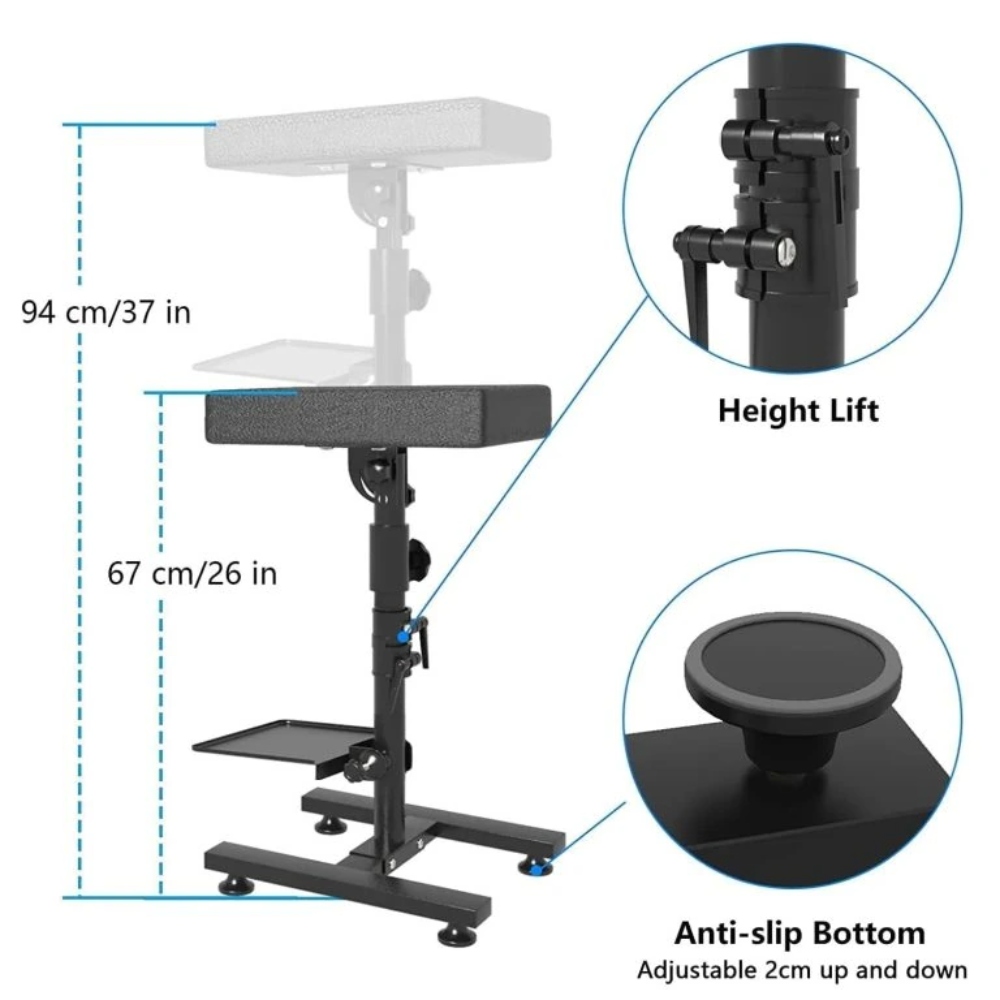
A tattoo armrest stand should be judged by adjustment range, pad size, base stability, and how quickly staff can move it between positions. Product photos may show the shape, but a studio trial should test whether the stand stays steady when the client relaxes weight onto the pad. Before ordering, buyers should ask the supplier for pad material, load capacity, height range, base dimensions, carton size, and sample inspection photos.
Height And Angle Adjustment Should Feel Simple
If the armrest is hard to adjust, artists stop using the adjustment and work around it. Buyers should test the stand while seated, while standing, and while turning the client slightly. The pad should support the arm without forcing the shoulder up, and the base should not block wheels, cords, or the artist stool.
For studios comparing one support piece that can serve arm and lower-leg positioning, the YaBa Tattoo Armrest Stand and Legrest Adjustable Height Chair gives a clear product direction. The useful buying point is not only adjustability, but whether the stand can be placed quickly beside different station layouts.
How Does A Tattoo Leg Rest Change Client Comfort?
Leg work often lasts longer than the client expects. Without support, the knee, ankle, or calf may slowly rotate, and the artist has to reset the area. A tattoo leg rest helps keep the working surface stable, but it also makes the client feel less responsible for holding a tiring position.
Support Should Match The Body Area Being Tattooed
A calf piece may need a different height than an ankle piece. A thigh session may rely more on chair position than a separate leg rest. Studios should test whether the support keeps the skin reachable without making the artist twist the wrist or bend forward for long periods.
This is where furniture and support accessories should be planned together. If the chair sits too low, a tattoo leg rest may solve only half the problem. If the armrest stand is stable but the client chair cannot recline or rotate well, the artist may still lose a comfortable working angle.
Why Should Artist Posture Be Part Of The Buying Decision?
Artist posture affects session speed, concentration, and repeat work. A studio may buy a comfortable-looking chair for the client, but if the artist still has to raise the shoulder or bend the neck for hours, the room is not really set up well. Furniture should help the artist work close without collapsing into the client space.
The Best Setup Keeps The Artist Close But Uncrowded
A good tattoo armrest stand creates room for the hand, machine, rinse cup, and lighting. A suitable adjustable tattoo chair lets the client position change without moving every supply on the table. The result is a calmer room: the artist can reach the skin, the client can rest, and the station does not need constant rebuilding.
For rooms that need extra storage near the support area, Yaba Tattoo Armrest Stand Legrest Bracket with Tattoo Supplies Storage Panel can help buyers think beyond one pad. When holders and small supplies sit near the support, the tattoo workstation becomes easier to manage during multi-hour work.
What Role Does An Adjustable Tattoo Chair Play?
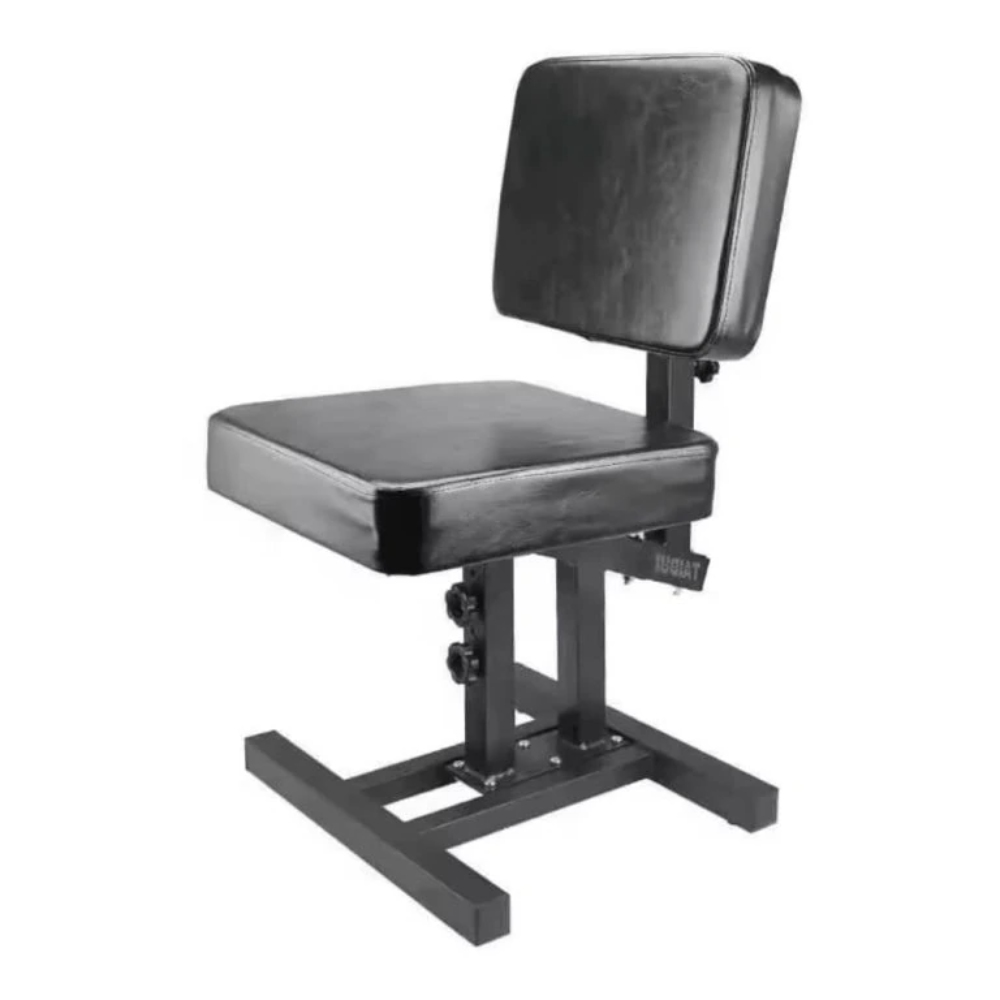
An adjustable tattoo chair should support the service type, not just look professional. Studios should check seat height, back angle, leg support, and how easily the client can move into position. A chair that works for PMU may not handle every large tattoo session, and a large chair may not suit a compact room.
Chair Movement Should Support The Armrest And Leg Rest
The chair, tattoo armrest, and tattoo leg rest should work as a group. If one piece moves smoothly but another blocks the artist, the setup still causes friction. Before buying several units, studios should place the chair, support stand, trolley, lamp, and power supply in one mock station and check walking space around all sides.
For studios planning seating upgrades, YABA Tattoo Newest Multifunctional Tattoo Artist Chairs and the YABA Tattoo Salon Hydraulic Beauty Chair Bed give buyers two furniture references to compare with arm and leg support. The best choice depends on room size, service type, and how much position change happens during normal appointments.
How Should Distributors Position Furniture For Studio Clients?
Distributors need to sell furniture by use case, not by a broad “professional studio” label. One customer may need a tattoo armrest stand for forearm work. Another may ask for a tattoo leg rest for lower-leg sessions. A third may need an adjustable tattoo chair and support accessories for a new room buildout.
Use Case Labels Make Reordering Easier
A practical catalog can group products by arm support, leg support, artist seating, client chair, and full tattoo workstation planning. This helps sales staff answer questions quickly and reduces wrong orders. It also helps studio owners understand which item solves the current problem and which item should wait for a larger room upgrade.
Buyers comparing several studio furniture items can also review the wider tattoo suppliers range before asking only for one stand. At this stage, the better conversation is about room size, session type, packing details, and combined purchasing, not only the first quoted item.
When Is It Time To Upgrade Armrests And Leg Rests?
A studio should review support equipment when artists keep repositioning clients, when long sessions feel slower than expected, or when one station is avoided for certain body areas. These signs do not always call for a complete room rebuild. Often, one better support stand or chair adjustment can remove the daily friction.
A Trial Station Gives Better Answers Than A Catalog Photo
Set up one station with the preferred chair, tattoo armrest, tattoo leg rest, lamp, and tray. Ask artists to test forearm, calf, and ankle positions, then record what blocks movement. This simple trial helps studios buy what the room needs instead of copying another shop’s furniture list.
If your team is building multiple rooms or preparing a furniture order for studio clients, use the Yaba contact page to request model details, packing information, and support-item recommendations. The right next step is a workable station plan, not another separate furniture item that may crowd the room.
Conclusion
Armrests and leg rests matter because they keep long tattoo sessions steadier for both the client and the artist. A good tattoo armrest stand supports reach and hand control. A suitable tattoo leg rest reduces repeated client movement. An adjustable tattoo chair helps the whole tattoo workstation work as one system instead of several disconnected products. Studios should test support pieces in a real room layout before bulk buying, while distributors should position furniture by use case, packing details, and combined supply planning.
FAQs
Q1: Is a tattoo armrest necessary for every studio?
A1: Most studios benefit from one adjustable tattoo armrest for forearm and hand work.
Q2: When should buyers add a tattoo leg rest?
A2: Add one when calf, ankle, or lower-leg sessions need steadier client positioning.
Q3: Should an adjustable tattoo chair be bought with support stands?
A3: Yes, if the studio wants one coordinated tattoo workstation rather than separate furniture pieces.