
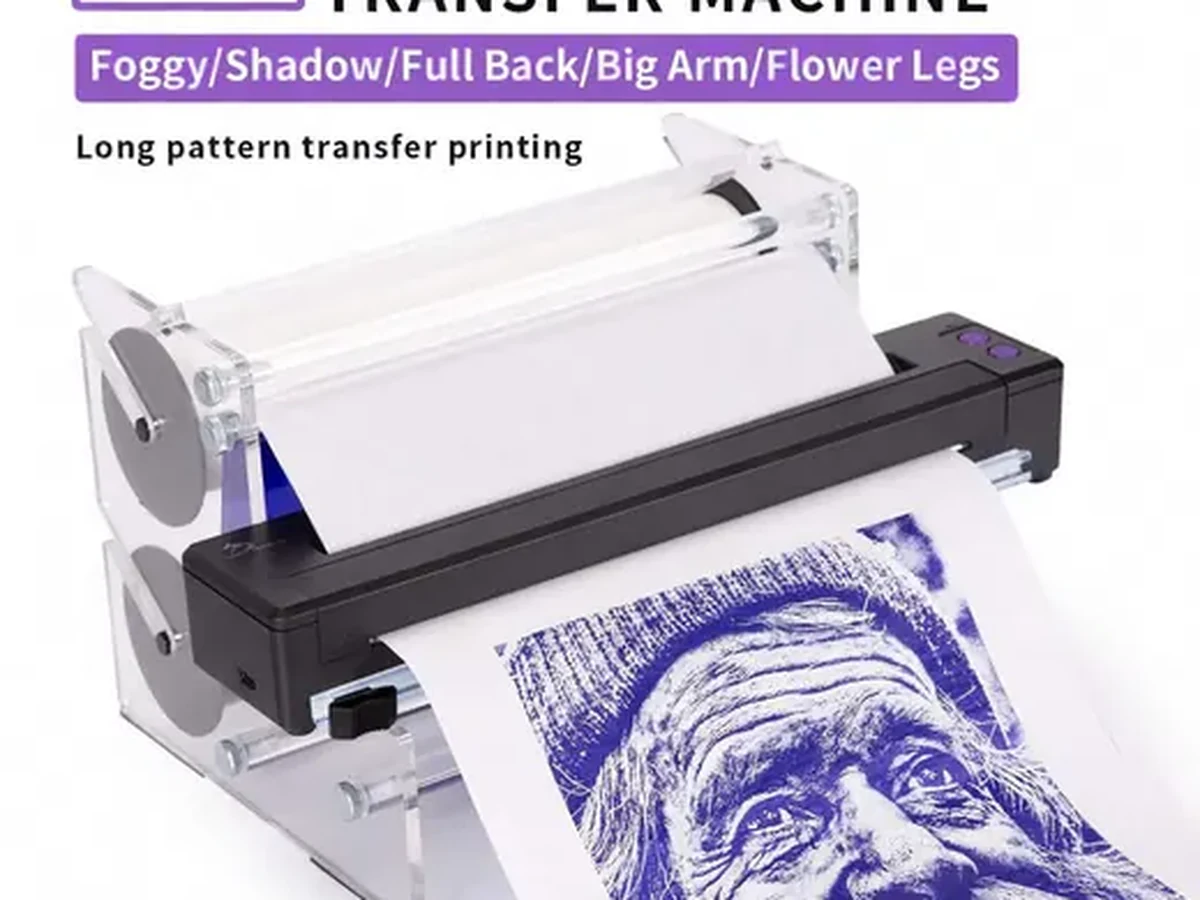
A tattoo stencil printer can save artists time before appointments by turning prepared artwork into cleaner stencil outlines. For distributors, the product is valuable because it can support more than one sale: the printer creates repeat demand for paper, film, transfer supplies, and related studio preparation items. YABA Tattoo offers a broader tattoo supply range, which helps buyers plan the printer as part of a full studio setup instead of an isolated device.
The stronger wholesale choice is not simply the smallest or newest-looking printer. Buyers need to check transfer clarity, paper compatibility, connection steps, portability, packaging, instruction quality, and after-sales support. If those details are not clear, a simple device can still create repeated customer questions after launch.
This guide focuses on practical checks for tattoo supply distributors, studio chains, and resellers that want a tattoo transfer printer program with fewer support problems and better consumable follow-up sales.
Why Is a Tattoo Stencil Printer a Stronger Wholesale Product?
A stencil printer is often easier to position than many studio accessories because the benefit is visible before the tattoo session begins. It can reduce manual tracing time, help artists prepare designs more consistently, and make the setup process feel more professional for customers.
Printer Sales Can Lead to Consumable Sales
A distributor should look beyond the first device order. If the printer uses common tattoo stencil paper, transfer film, or specific ink supplies, the buyer can build a repeat consumable path. This makes the category more useful for long-term customer value than a one-time gadget purchase.
Studio Workflow Should Drive the Product Story
A good product listing should explain how the printer fits into a studio routine: preparing artwork, loading paper, connecting the device, printing the stencil, and storing supplies. This workflow language helps buyers sell the product to studios that care about speed but still need dependable results.
How Should Buyers Check Transfer Clarity First?
Transfer clarity is the core function of a tattoo stencil printer. If the output is too weak, broken, too dark, or difficult to transfer cleanly, artists may stop using the device even if the outer design looks appealing.
Artwork Tests Should Include Fine Detail
Wholesale buyers should test simple linework, curves, lettering, symmetrical shapes, and more complex artwork. Fine lines and stencil edges should remain readable. For a product reference, buyers can review the Tattoo Stencil Printer Wireless Bluetooth Tattoo Portable Printer when comparing printer features, package presentation, and product-page claims.
Testing Records Improve Product Listings
A sample record should include paper type, device setting, phone or computer connection, artwork complexity, and the final transfer result. These details give the reseller a clearer product description and reduce the need for broad promises that are hard for end users to repeat.
What Paper Compatibility Details Reduce Support Questions?
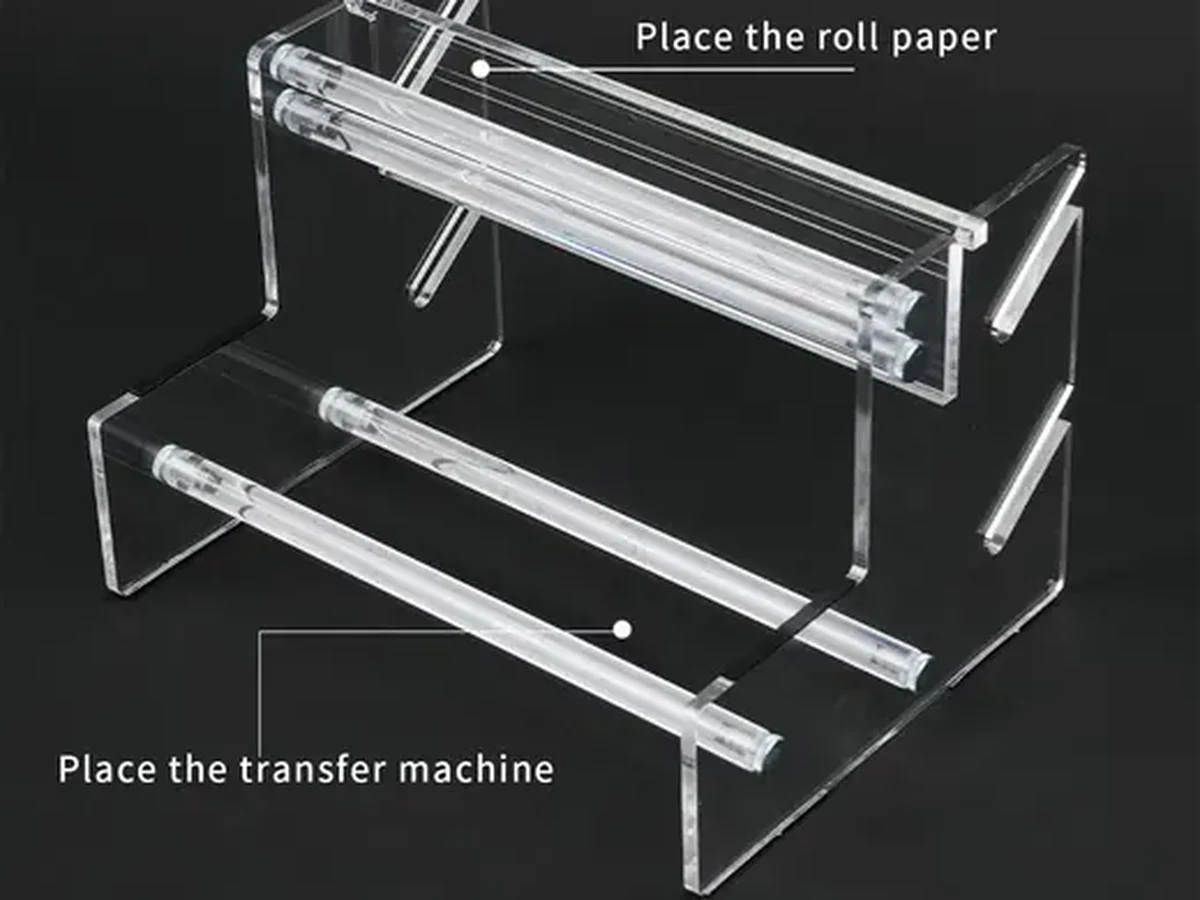
Paper compatibility affects both first-time use and repeat sales. Many artists already buy preferred paper sizes and expect the printer to work with familiar studio supplies. A printer that needs unusual paper may still sell, but the support burden and supply planning become more complicated.
Paper Size and Loading Method Need Confirmation
Distributors should confirm supported paper size, loading direction, roll or sheet format, and whether the printer works with standard tattoo stencil paper. The loading path should be simple enough for retail customers to understand without long support conversations.
Bundled Supplies Make Setup Easier
When a printer works best with a defined supply type, the buyer can package it with compatible InkJect stencil paper or related transfer materials. Clear bundles help studios start using the printer quickly and make future consumable reorders easier to capture.
Which Connectivity and Portability Details Matter to Studios?
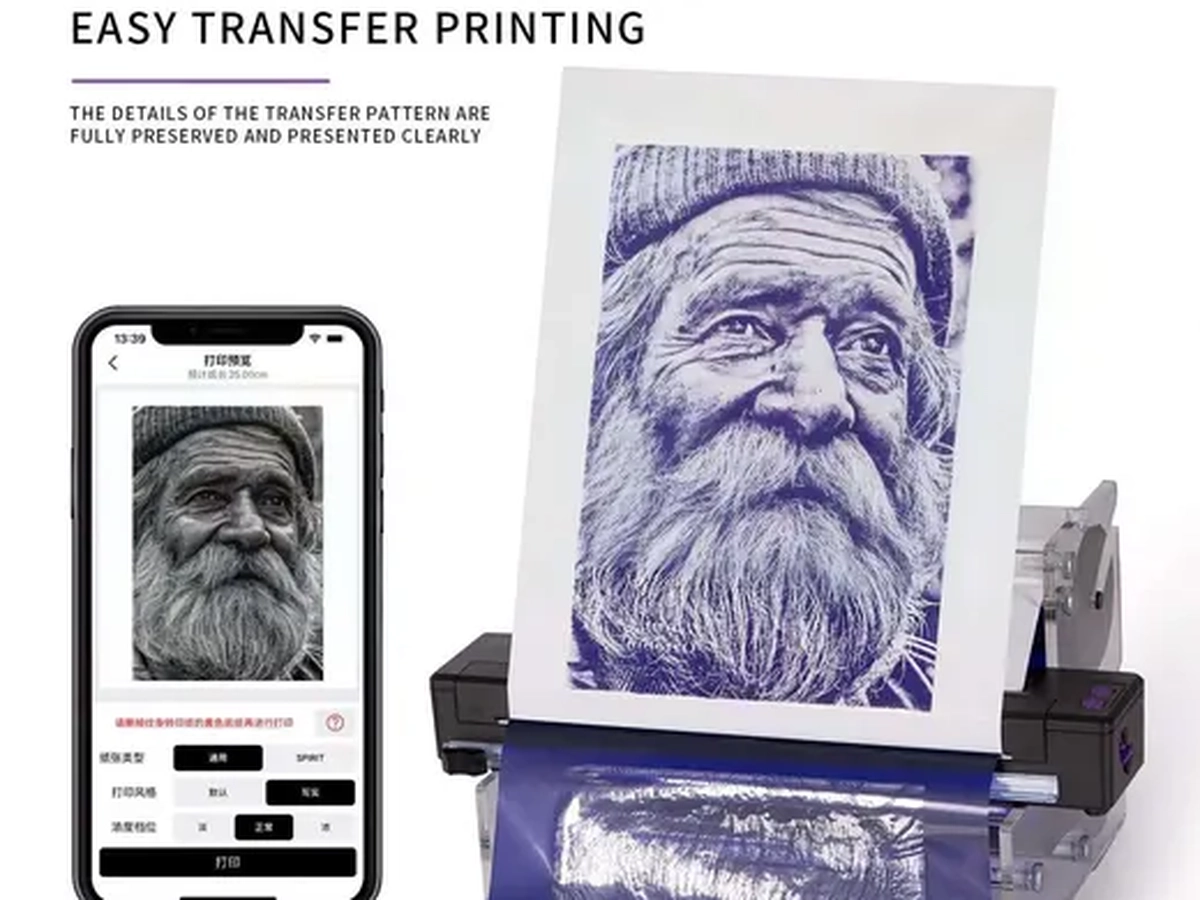
Connectivity can be a selling point, especially when a printer supports wireless or Bluetooth use. It can also become a support point if the app, device pairing, or instruction sheet is not clear enough for everyday studio users.
Connection Steps Should Be Tested by Nontechnical Users
A buyer should ask someone outside the sourcing team to connect the sample device using the manual alone. If the process is confusing, the product page, instruction card, or package insert should be improved before launch. This small test can prevent repeated support requests after the printer reaches retail customers.
Portable Use Changes Packaging Needs
Many artists work in guest spots, conventions, and private studios. A compact tattoo transfer printer should travel safely, protect the paper path, and include packaging that resists damage in courier shipment. Buyers should check carton protection and accessory placement before approving a wholesale shipment.
How Can Distributors Build a Better Stencil Product Bundle?
A tattoo stencil printer becomes stronger when it sits inside a complete preparation offer. The buyer can connect the printer with paper, transfer film, stencil solution, practice skin, cartridge needles, gloves, and other studio setup supplies.
Related Film and Paper Support Repeat Orders
Consumable planning should be specific. A buyer can include tattoo clear cut stencil film as a related item when the target customer needs transparent layout support. The goal is to make the reorder path obvious rather than leaving artists to search for compatible supplies elsewhere.
RFQ Details Should Match the Sales Channel
Before ordering, distributors should share target sales channel, order quantity, packaging needs, manual language, plug or charging requirements, sample expectations, and consumable bundle ideas. Buyers that need printer samples or compatible supply suggestions can contact YABA Tattoo with the studio setup they want to serve.
For a printer RFQ, distributors should request supported paper size, connection method, battery or power details, app language, print resolution, package dimensions, spare accessory list, carton quantity, and sample output photos. These details help the buyer compare a tattoo stencil printer as a repeatable wholesale item rather than a one-time device order.
During sample review, the purchasing team can print the same fine-line artwork on several paper batches, photograph the output, and record whether the paper loads smoothly. This simple test file gives the sales team better first-hand notes for product pages, customer training, and future reorder discussions.
A final approval file should include photos of the printer, the printed stencil, the paper package, the carton, and the accessory set. It should also note whether the printer was tested with a phone, tablet, or computer, because connection behavior can change the support notes a reseller needs to prepare.
For repeat orders, distributors should keep the printer model, paper code, manual version, packaging artwork, and sample output together in one purchasing record. This prevents a later reorder from using the same title while changing a detail that studio customers have already learned to expect.
Buyers often find that sample approval is smoother when the test record includes print density, paper feed tolerance, package format, carton load condition, RFQ file name, and field feedback from the studio that tried the printer. These details turn a simple device sample into a repeatable wholesale specification.
For catalog planning, the phrase tattoo stencil printer wholesale should appear in the distributor file, the sample record, and the reorder note so the same product family is easy to track. A second tattoo stencil printer wholesale reference can also be used in the sales brief when the buyer separates printer devices from consumable stencil supplies.
At the final bundle stage, buyers can also review stencil printer ink as a supporting consumable when the sales channel wants printer, paper, film, and ink references in one launch file.
Conclusion
A tattoo stencil printer can be a useful wholesale product when it improves real studio setup work and creates a clear path for repeat consumable sales. Buyers should test transfer clarity, paper compatibility, connection steps, portability, packaging, and support materials before committing to a bulk order.
The better sourcing decision is usually the printer that artists can set up quickly, understand easily, and use consistently. When the device, paper, film, and instructions all fit together, distributors can launch the product with a stronger sales story and fewer after-sales questions.
FAQs
Q1: What should distributors test first when buying tattoo stencil printers?
A1: They should test transfer clarity with real artwork, including fine lines, curves, lettering, and repeated layout details.
Q2: Is wireless connectivity necessary for a tattoo stencil printer?
A2: Wireless control can be convenient, but clear setup instructions and reliable connection are more important than the feature name itself.
Q3: Can stencil printers increase repeat sales?
A3: Yes. Printers can create repeat demand for compatible stencil paper, transfer film, ink, and other studio preparation supplies.