You dip your needle into the black pigment and pull your first line on a client’s ribs. Instantly, the client flinches. The needle snags. Your straight line turns into a permanent, jagged blowout. As an artist, this physical reaction is terrifying. Yet, older mentors fiercely warn you against using anesthetics. They claim that applying any chemical alters the skin, turning it into a stiff rubber mat that refuses to take color.
This outdated advice leaves beginners trapped in a brutal cycle: fight a moving client or fight tough skin. We are going to break down exactly how modern chemistry solves the pain problem without destroying your canvas. You can pack solid black without fighting a twitching body, and seal the wound safely the moment they leave your chair.
Why Does Client Movement Destroy Your Line Work?
Pulling a crisp, single-pass outline requires intense physical harmony between your machine hand and your stretching hand. If the person sitting in your chair suddenly jerks out of pain, that harmony violently shatters. The needle drops too deep. The skin tears. You instantly create an ugly blowout.
The Nightmare of Sudden Flinches
A sudden muscle spasm turns a beautiful dagger design into a shaky lightning bolt. When a client breathes heavily and clenches their muscles, the surface tension of the canvas constantly changes. The only realistic way to prevent tattoo client twitching is to shut down the pain receptors before the adrenaline spikes. Keeping the body relaxed gives you the stable, predictable surface required for tight needlework.
Managing the Physical Stress
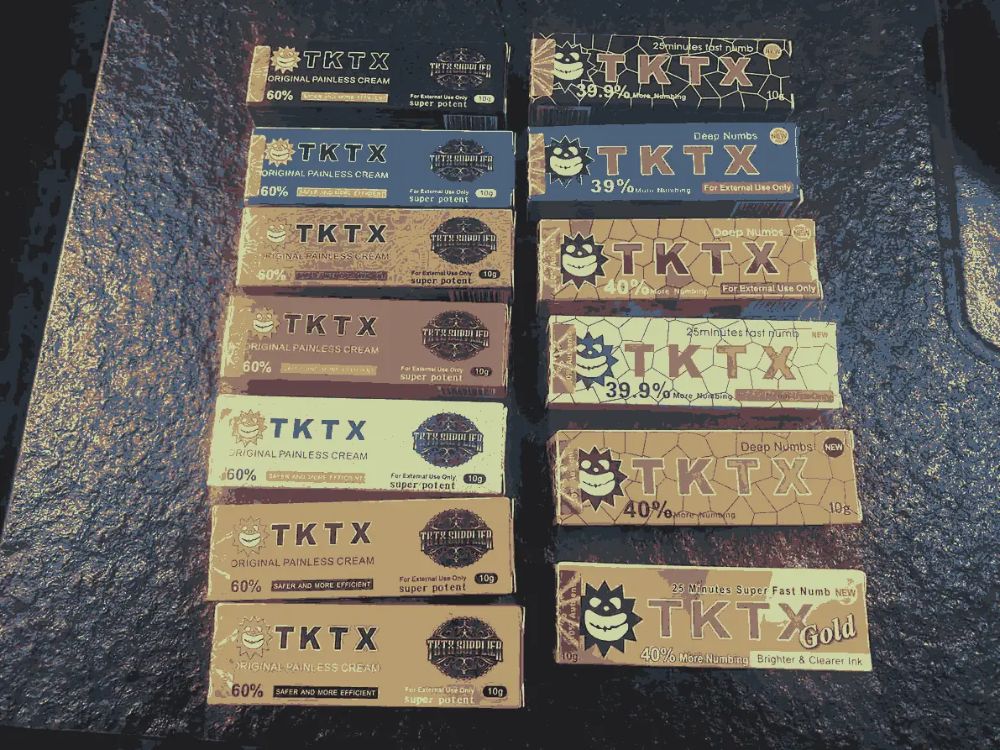
Sitting in a chair for five hours while a needle grinds into your skin exhausts the human body. As the hours pass, the client’s pain tolerance drops to zero, and they start bleeding heavily due to elevated blood pressure. Implementing a proper client comfort prep routine stops this physiological crash. Using a verified Yaba Strong TKTX Tattoo NUMB Cream provides a solid 4 to 5 hours of deep relief.
When they sit comfortably, you focus entirely on your shading gradients instead of acting like a hostage negotiator.
What Causes the “Rubber Skin” Myth Among Old Artists?
Talk to veterans from the nineties, and they will fiercely warn you against using topical anesthetics. They argue that numbing agents turn the skin into a tough, impenetrable sheet of gray rubber. While their warnings come from real experiences, they are talking about vastly outdated chemical formulas.
How Cheap Chemicals Alter the Dermis
Decades ago, artists experimented with over-the-counter hemorrhoid creams or harsh dental gels. These generic formulas contained massive amounts of epinephrine, a severe vasoconstrictor. When you apply a cheap painless tattoo gel loaded with epinephrine, it chokes the blood vessels completely. The skin turns pale, hard, and loses all its natural elasticity. It becomes incredibly difficult to stretch.
Overcoming Heavy Resistance During Shading
When the skin stiffens into rubber, your needle bounces off the surface instead of penetrating it cleanly. You find yourself going over the exact same patch of skin four or five times just to make the black stick. This excessive trauma chews up the tissue, directly causing massive ink saturation issues during the healing weeks. The color eventually falls out entirely, leaving a patchy, scarred mess.
How Does Modern Chemistry Solve the Saturation Problem?
Medical science did not stop advancing twenty years ago. Laboratories finally developed topical anesthetics that effectively block nerve pain receptors without artificially freezing the cellular structure of the dermis. The skin remains completely soft, highly workable, and totally receptive to heavy pigment packing on the very first pass.
Balancing Pain Relief and Skin Elasticity
Today, sourcing a numbing cream safe for tattoo ink is a standard practice in high-end studios. Professional labs balance lidocaine with skin-conditioning agents. This smart chemical profile numbs the sharp stinging sensation while maintaining the natural blood flow and bounce of the tissue. You stretch the skin easily, and your needle glides through the dermis exactly as it would on un-numbed skin.
The Reality of Packing Heavy Color
The truth about tattooing over numbing cream today is surprisingly simple: it works beautifully if you use a brand formulated specifically for body art. To further protect the skin during long sessions, we pair our anesthetics with the 100% vegan YaBa Natural Glide Tattoo Balm.
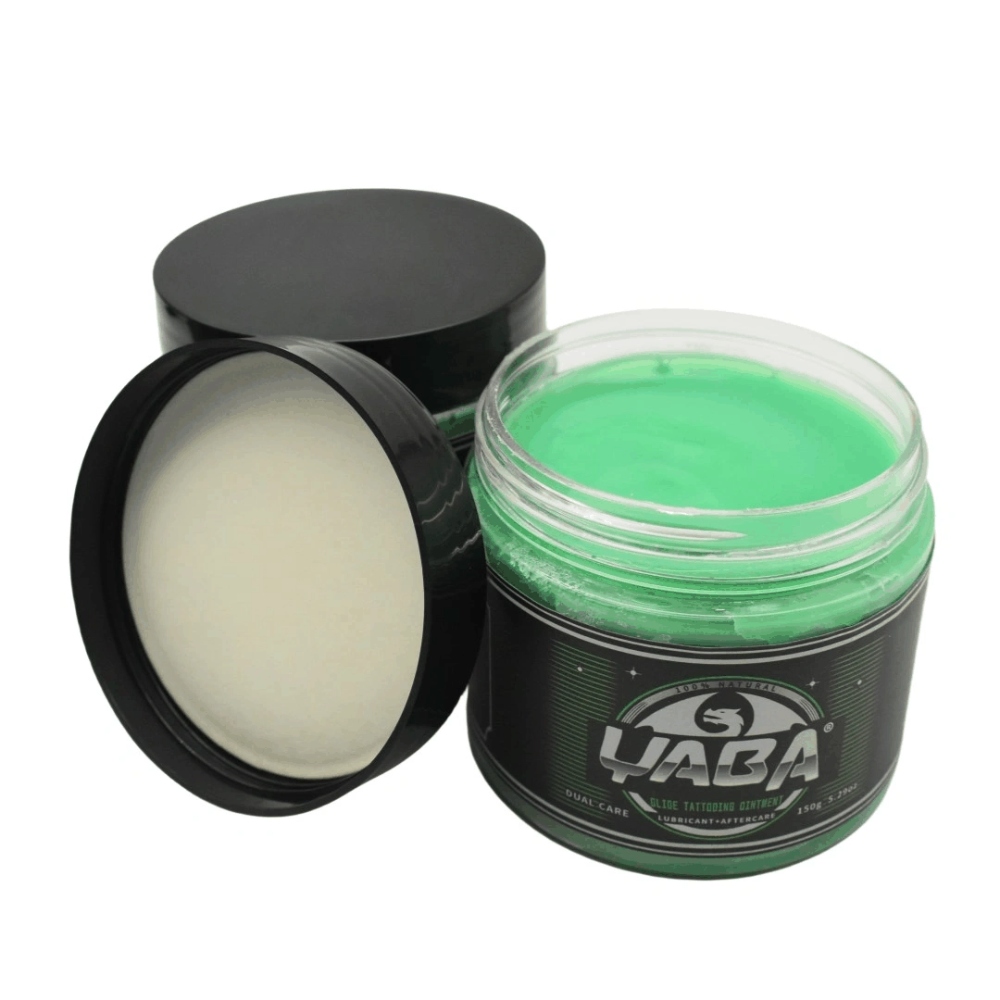
Applying this natural ointment during the procedure actively prevents your needle cartridges from clogging. It locks in moisture and keeps the epidermis supple. Because the skin remains elastic, you deposit heavy tribal black instantly.
How Do You Protect the Canvas After a Painless Session?
Getting the ink safely into the skin is only half the battle. Once your relaxed client stands up, you cannot wrap their fresh, weeping wound in suffocating plastic kitchen wrap. You must seal the trauma immediately with medical-grade barriers to block out aggressive airborne bacteria.
Replacing Cling Wrap with Breathable Liquid Barriers
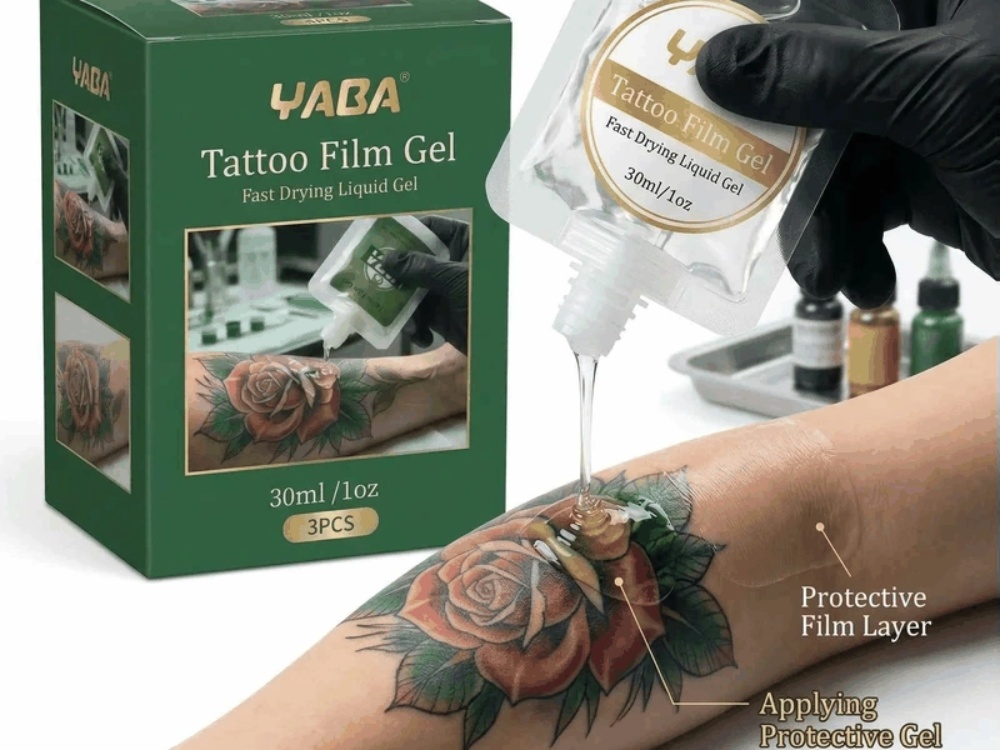
Traditional tape and plastic restrict movement and trap sweat. We completely engineered around this problem by developing the Tattoo Aftercare Sealant Gel 30ML. This advanced derm gel goes on wet and dries in minutes, forming a breathable, protective artificial skin directly over the fresh tattoo.
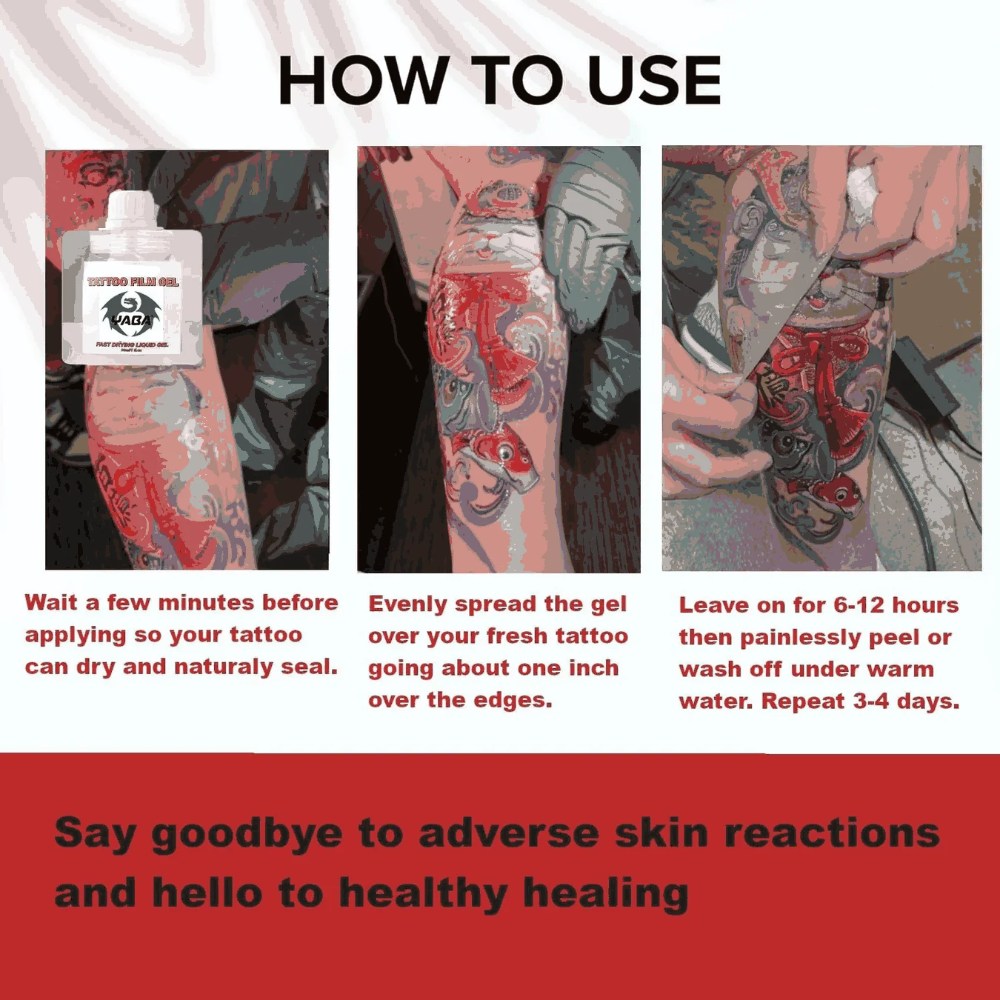
It contains absolutely zero adhesives and zero latex, preventing the brutal allergic rashes that ruin fresh ink.
Accelerating Healing Without Harsh Chemicals
A premium barrier must nourish the skin while it protects. Our specialized 30ML formula is loaded with natural healing ingredients and powerful antioxidants to fight free radical damage. When your client needs to clean the area, they do not have to rip off sticky tape. The barrier washes off painlessly under warm water. By combining a professional client comfort prep routine with this advanced sealant, you guarantee a flawless recovery.
Conclusion
Clinging to outdated myths about ruined skin only hurts your business and tortures your clients. Modern chemistry completely destroyed the narrative that pain management ruins artwork. Using a high-grade painless tattoo gel allows you to prevent tattoo client twitching entirely, giving you a rock-solid canvas for hours on end. By ditching heavy-epinephrine pharmacy tubes and switching to professional formulas, you eliminate frustrating ink saturation issues. Stop making the process harder than it needs to be. Visit Yaba today to stock up on advanced anesthetics, natural glide balms, and breathable sealant gels, ensuring your clients get the relaxed, professional experience they truly deserve. For wholesale supply planning, contact us to compare formulas, packaging, and sample options.
FAQs
Q1: Does tattooing over numbing cream hurt the healing process?
A1: Not if you use a professional formula. Industry-specific creams maintain skin elasticity, causing less needle trauma, which actually leads to much faster and cleaner healing.
Q2: How do I remove the protective sealant gel after the session?
A2: The Tattoo Aftercare Sealant Gel is designed to be pain-free. It washes off instantly and easily under warm water without pulling or tearing the fresh skin.
Q3: How do I know if I have a numbing cream safe for tattoo ink?
A3: Look for products manufactured strictly by dedicated body art suppliers like Yaba. Professional brands balance their active ingredients to avoid severe vasoconstriction and skin hardening.