You spend six hours building heavy color on a client’s calf. The piece looks sharp, but the aftercare material still matters the moment the session ends. If a studio reaches for cheap kitchen cling wrap, the fresh tattoo can sit under trapped moisture, loose edges, and poor hygiene control. That creates avoidable complaints and can make the finished work harder to protect during the first recovery stage.
Many professional studios now use breathable tattoo wrap and purpose-built aftercare films instead of household plastic. Choosing proper aftercare film helps studios reduce exposure to dirt, moisture buildup, and avoidable aftercare complaints. For tattoo supply buyers, the real question is not only whether the film covers the skin, but whether it supports cleaner studio routines, easier client instructions, and more consistent aftercare results.
Why Can Basic Kitchen Wrap Create Aftercare Hygiene Problems?
Treating fresh tattoo aftercare like food storage creates unnecessary risk for studios. Standard household plastic seals the area with little ventilation. When a fresh piece releases plasma and excess ink, that unbreathable plastic can turn the covered area into a warm, damp pocket.
The Danger of Trapped Sweat and Plasma
Your client leaves the shop and starts sweating. Under standard plastic, that moisture has nowhere to go. It pools on top of the open dermis. This moisture buildup can irritate the skin, loosen the edge of the wrap, and make aftercare harder for the client to manage. If you want to skip this messy nightmare, you need a proper breathable tattoo wrap that handles fluid exchange naturally.
How Does Trapped Moisture Increase Contamination Risk?
Warmth plus trapped moisture increases contamination risk, especially when loose plastic edges collect dust, lint, or outside residue. A poor covering can lead to redness, heavy irritation, aftercare confusion, and complaints that come back to the studio. The problem is not only the tattoo work; it is also the material used before the client walks out the door.
How Do Professional Aftercare Barriers Support Cleaner Healing?
Studios need a material that works like a temporary protective layer. It should help block outside dirt while allowing trapped internal moisture to release gradually. This balance supports a cleaner aftercare environment and gives clients clearer expectations during early recovery.
Letting Oxygen In While Locking Dirt Out
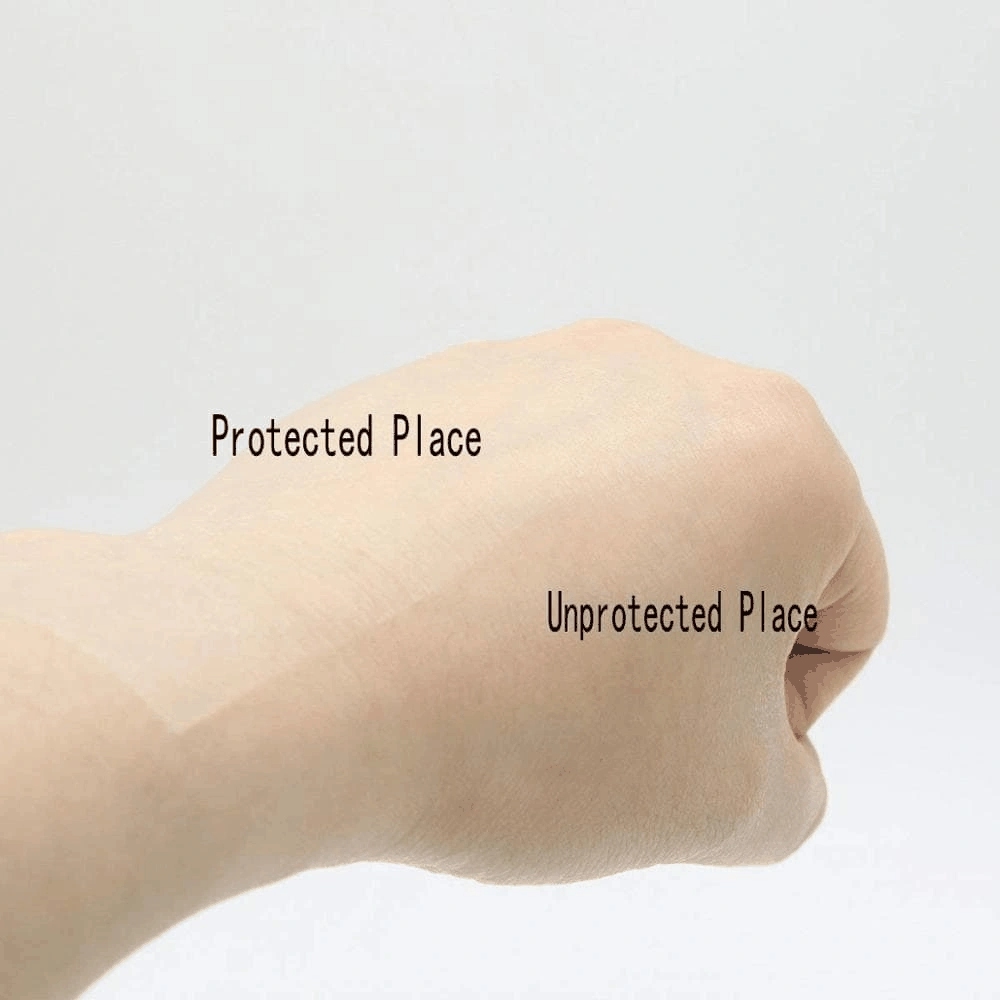
Professional polyurethane film improves the basic covering method. Yaba waterproof tattoo healing film uses a thin protective structure that helps block water drops, dirt, and pet hair from touching the fresh tattoo area. At the same time, the breathable design supports air exchange, helping the area stay cleaner without feeling fully sealed under household plastic.
Accelerating the Initial Recovery Phase
The first 48 hours dictate the final look of your shading. Using a suitable waterproof tattoo healing film helps protect the area from rubbing, dust, and accidental contact during the first tattoo healing stages. It can also reduce the need for clients to rewrap the tattoo repeatedly with inconsistent household materials.
How Do You Apply the Wrap Without Tearing the Skin?
Having the right supplies sitting on your tray means nothing if you apply them poorly. Applying adhesive film without proper prep can cause unnecessary irritation. You have to follow a strict physical process to secure the barrier safely.
Preparing the Canvas Before Application
There is a strict difference between preoperative materials and aftercare materials. During your setup, you absolutely should use our non-toxic, eco-friendly PMU plastic wrap barrier film to cover numbing creams or protect your workstation surfaces.
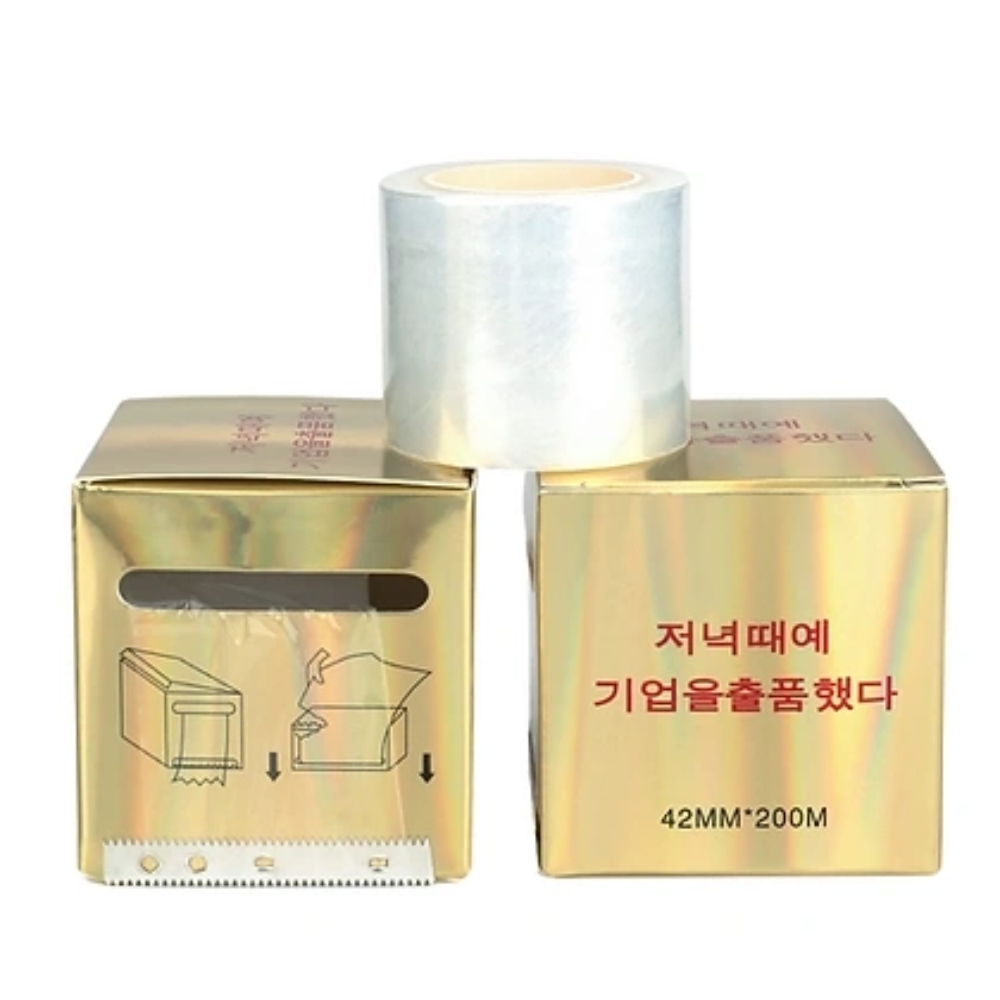
But once the needlework is done, you must wipe the skin completely dry before applying an adhesive. This strict step in your wet healing tattoo method guarantees our healing tape bites onto the dry perimeter of the healthy skin, keeping the raw center totally sealed.
Removing the Barrier Safely
Pulling a strong sheet straight upward can disturb tender skin and make removal uncomfortable. When removing our aftercare healing tape, grab the edge and pull it slowly parallel to the skin surface. Let it stretch and release naturally. Running warm water over our adhesive loosens the bind, making your removal totally painless.
Why Must You Upgrade Your Daily Station Supplies?
Relying on cheap, generic supplies from random warehouses leaves you vulnerable to bad batches and severe client reactions. You need tools built specifically for the demands of a busy, professional body art studio.
Using Ultra-Thin 0.01mm Technology
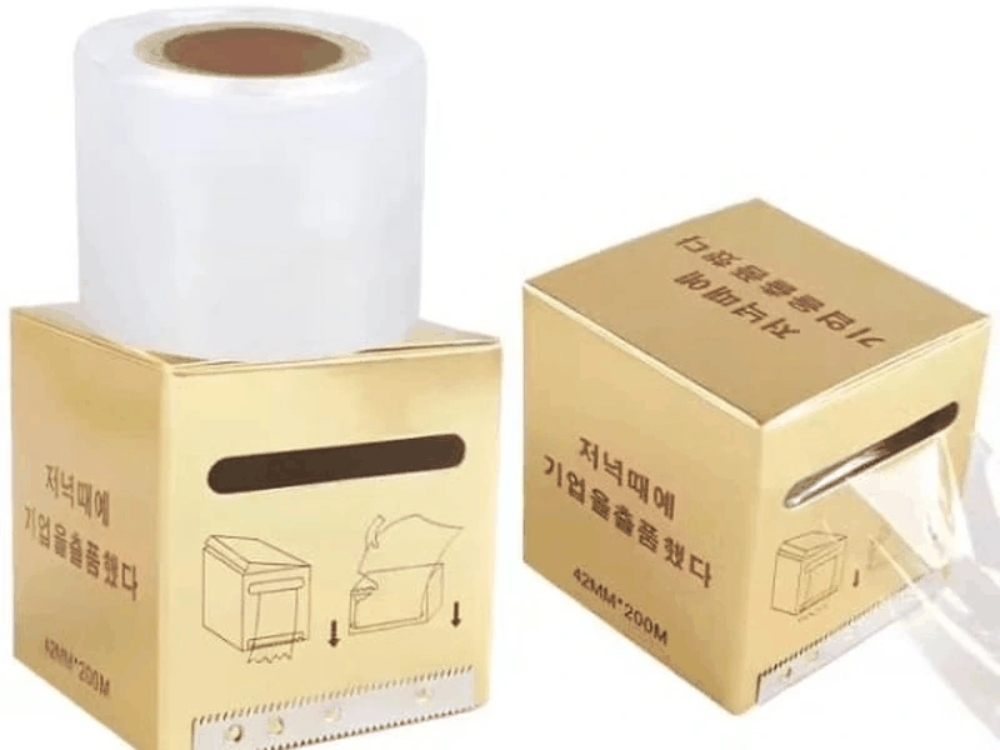
Thick, rigid tapes restrict movement and pinch your client’s joints. We designed our professional polyurethane bandage roll to measure just 0.01mm thick. It flexes and stretches exactly like human tissue. This extreme flexibility means your client forgets they even wear a covering. Their muscles move naturally without pulling the edges of our adhesive loose.
The Importance of Latex-Free Materials
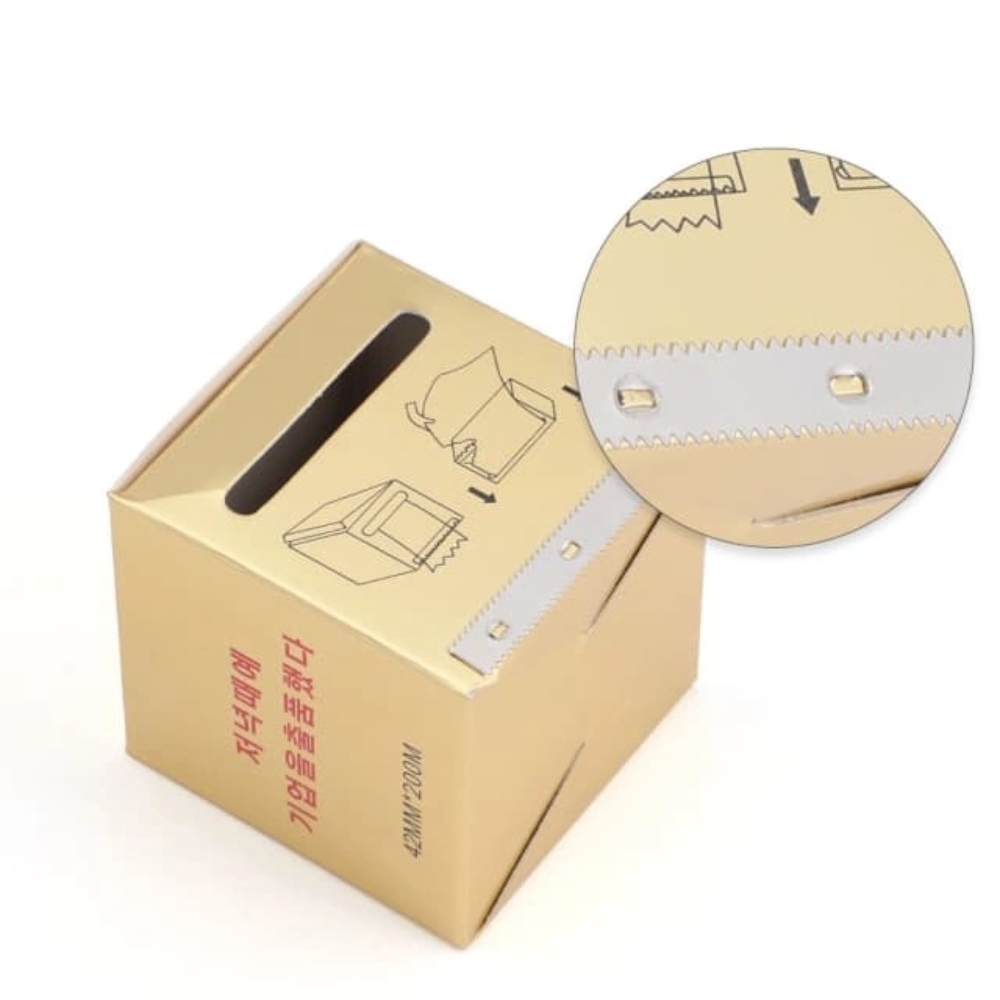
Sensitive skin can react badly to unsuitable materials. Stocking latex-free, skin-friendly supplies helps studios reduce avoidable aftercare complaints. Pulling a premium sheet from our dedicated breathable tattoo wrap dispenser shows your clients you prioritize their physical health just as much as your artistic portfolio.
Why Should Studios Source Aftercare Supplies From Yaba?
Sourcing dependable gear forms the foundation of a successful shop. You simply cannot afford tools that fail, irritate clients, or create inconsistent aftercare experiences because of poor manufacturing standards.
At Yaba, we engineer tools that working artists actually trust. We skip the cheap fillers and focus on raw performance. Whether you are assembling a full beginner setup or restocking your high-volume studio, we provide the specific materials that protect your hard work. Our ultra-thin, latex-free aftercare healing tape supports cleaner protection through the early tattoo healing stages and helps studios give clients a more professional aftercare handoff. Stop cutting corners with kitchen wrap. Equip your station with gear built for professionals.
Conclusion
Sending a client home with cheap plastic wrap can create moisture buildup, unclear aftercare habits, and avoidable studio complaints. By integrating breathable polyurethane barriers into your shop, you give clients a cleaner, easier aftercare routine while protecting the work you just finished. This wet healing tattoo method helps reduce friction, limits exposure to dirt, and keeps your studio process more consistent. Upgrade your daily station setup with reliable gear from Yaba. If you are ready to secure professional aftercare supplies for wholesale or studio use, contact us directly.
FAQs
Q1: How long should a client wear the initial protective film?
A1: Leave the first sheet of our waterproof tattoo healing film on for 12 to 24 hours to catch the heavy plasma leakage. Remove it, wash the area, and apply a fresh piece for another 3 to 5 days.
Q2: Can a client shower while wearing the film?
A2: Yes. Our material is completely waterproof from the outside. They can take brief showers, but they must avoid soaking the area in baths or swimming pools.
Q3: What happens if liquid builds up under the barrier?
A3: A small dark fluid sack is normal and aids healing. However, if the liquid pool threatens to break the adhesive seal of your polyurethane roll, remove the film, wash the area thoroughly, and apply a new piece immediately.