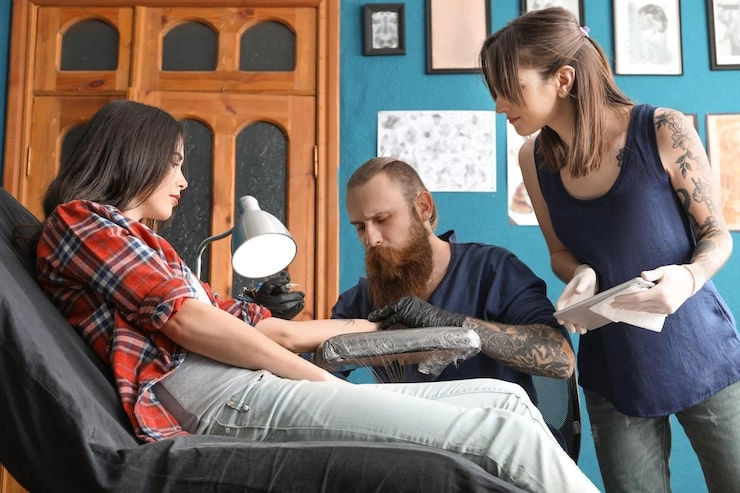
Starting a career in tattooing can be one of the most fulfilling yet tough artistic paths out there. This craft mixes hands-on skill, fresh ideas, and a solid grasp of body structure to make lasting art on real people. Before you grab a machine, though, learn medical-level cleanliness and safety rules first.
Why Tattooing Requires Skill, Patience, and the Right Tools
Pro tattooing needs way more than just drawing talent. Every top artist nails tight needle handling, gets how skin acts, and builds rock-steady hands for detailed patterns. Tattoos last forever. So no slip-ups allowed. That’s why honing skills comes before any client work.
Common Misconceptions About Starting a Tattoo Career
Lots of new folks think they can just snag a tattoo machine and whip up great designs right away. But tattooing calls for tons of drills, real training, and full know-how on safety steps. Another big myth? Fancy gear alone fixes everything. Truth is, your moves and know-how beat pricey stuff every time.
What This Guide Will Cover for Aspiring Tattoo Artists
This full rundown takes you through key parts of kicking off your tattoo path. From headspace prep and core facts to hands-on drills and pro setups. You’ll pick up must-have gear, drill methods, and quick-learn aids too.
Preparing Mentally and Professionally for Tattooing
The road to pro tattooing starts way before your first machine buzz. Mindset prep and a pro attitude set the base. They split winners from quitters.
Developing the Right Mindset for Tattoo Artistry
Tattooing carries huge duty. Your art sticks on someone’s skin and self forever. Build respect for that load. Add real love for the work. That’s the rock of pro tattooing. Plus, grow patience. It takes real time and grit to nail beginner tips.
The Importance of Patience, Practice, and Persistence
Top skills in tattooing grow from steady drills over months, even years—not quick weeks. Newbies often lowball the hours needed for even lines, right shading, and smooth color mixes. Keep at it. Even when gains feel tiny. That carves the hand recall you need for pro-level pieces.
Setting Realistic Expectations as a Beginner
Get this: Skill takes loads of work. It curbs letdowns and keeps you going. Most big-name artists log six months to a year on fake skin first. Then years more to shape their own look and pro chops.
Essential Knowledge Before Picking Up a Tattoo Machine
Hold off on gear till you lock in basics. These keep things safe and sharp.
The Non-Negotiable Foundation: Hygiene and Safety
This tops your list. Skip it, and you risk big health hits for you and clients—plus legal headaches. Nail sterilization. Block germ spread. Follow blood germ rules. These must-dos shield everyone. Plus, they cover waste toss and space wipe-downs from bad outcomes.
Skin Anatomy and How It Affects Tattoo Application
Skin spots differ in thickness, feel, and mend speed. All that shapes how you ink. Know the outer layer, mid-layer, and deep fat. It lets you tweak needle plunge and moves for best ink hold and quick heal.
Common Tattoo Styles and Techniques Beginners Should Explore
Kick off with easy styles like American Traditional, black and grey, or plain lines. They teach core moves before tough ones. Each builds fresh tricks. Bold edges in old-school work. Soft fades in real-look art.
Choosing the Right Tools and Equipment for Beginners
Smart gear picks boost your drills and output. Skip top-dollar stuff at first. But dodge those bargain “starter kits” from spots like Amazon or eBay. They pack junk power units, machines, and inks. Bad quality slows you down. Worse, they spark safety woes. Go with trusted spots like Yaba instead. They give solid, cheap picks for newbies.
Key Tools Every Beginner Needs to Start Practicing
Grab a trusty tattoo machine. Add needle sets, power box, good inks, and heaps of fake skin. Solid basics let you zero in on moves. Not gear glitches.
Tattoo Machines: Coil vs. Rotary
Coil machines give that old-school punch. Great for sharp lines with their crisp hit. Rotary ones run smoother. They’re quieter too. Plus, they switch easy between lines and shades. Perfect for rookies tackling varied tricks.
Needles and Cartridges: Sizes and Purposes
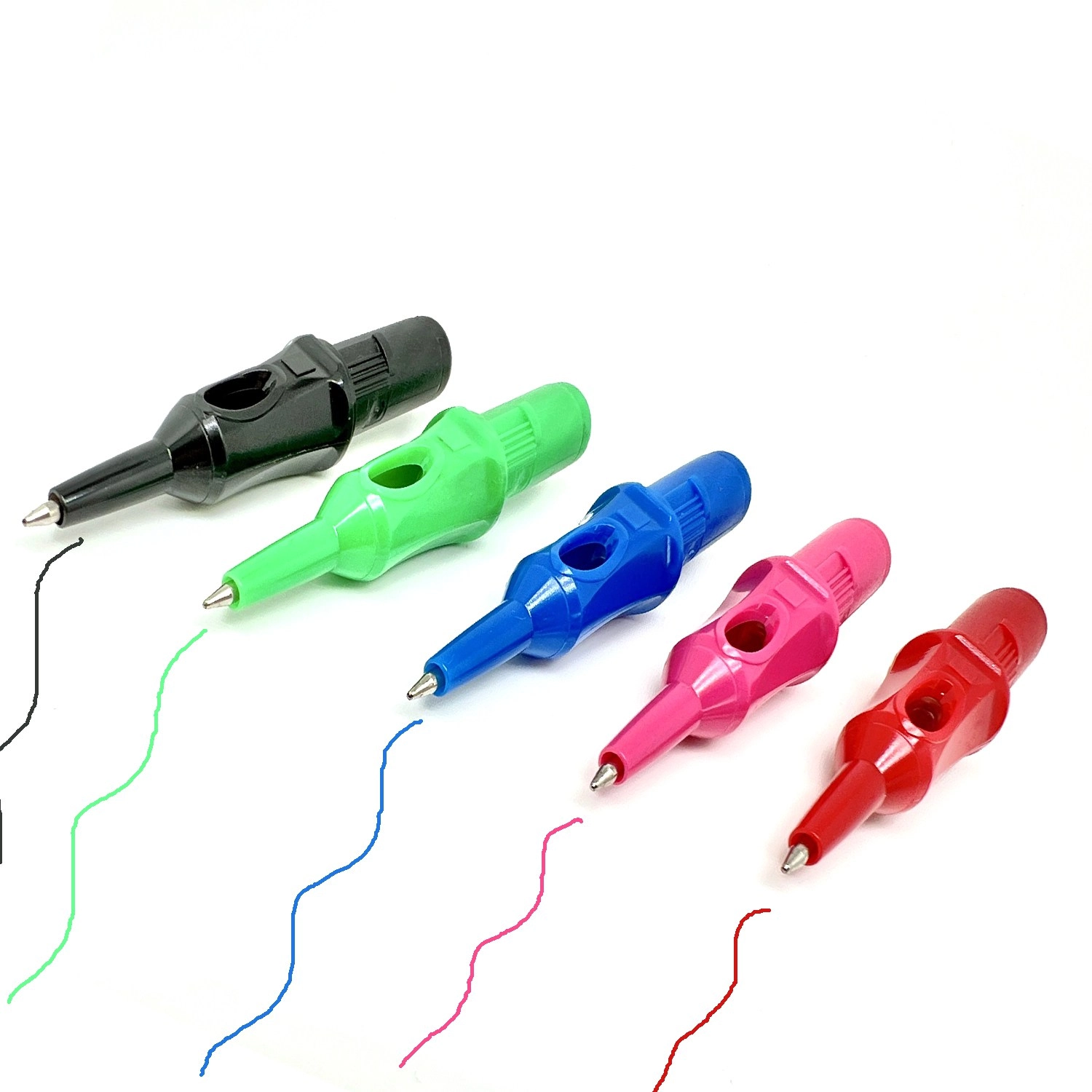
Round liners carve crisp, tight lines. Round shaders blend soft and pack even color. Magnum ones blast big zones for backs and hue jams. Know these diffs. Pick right for each design bit. Or you can use Yaba’s ball point cartridge to practice on fake skin first.
Power Supply Units and Clip Cords
Good power boxes hold steady volts and amps. That keeps your machine humming through long hauls. Top clip cords lock tight. They cut buzz that messes with runs.
Ink Types and Their Applications
Pro inks hold color better. They’re safer and steadier than cheap junk. Grasp hue rules, mix tips, and brand quirks. It nails the looks clients crave.
Practicing with Synthetic Skin Before Real Clients
Top fake skin apes real hide close. It lets you test moves risk-free. No health scares. No client stress. Mess with depths, styles, and plans here. Key for growth.
Building Your Skills Through Practice
Steady, aimed drills build tattoo know-how. Set routines to speed gains. Boost your nerve too.
How to Practice Line Work, Shading, and Coloring Techniques
Stack skills step by step. Use this rollout.
- Phase 1 (Lines): Drill long straight pulls, neat rounds, and fluid bends on fake skin. Loop it till one swipe yields even, soaked lines every time.
- Phase 2 (Fills & Shading): Next, pack plain shapes like blocks and balls solid. No holes. Aim even. Then fade soft ramps inside them.
- Phase 3 (Tracing & Simple Designs): With basics down, copy easy American Traditional sketches. Their fat edges and block hues sharpen your edge.
Using Silicone Fake Skin for Skill Development
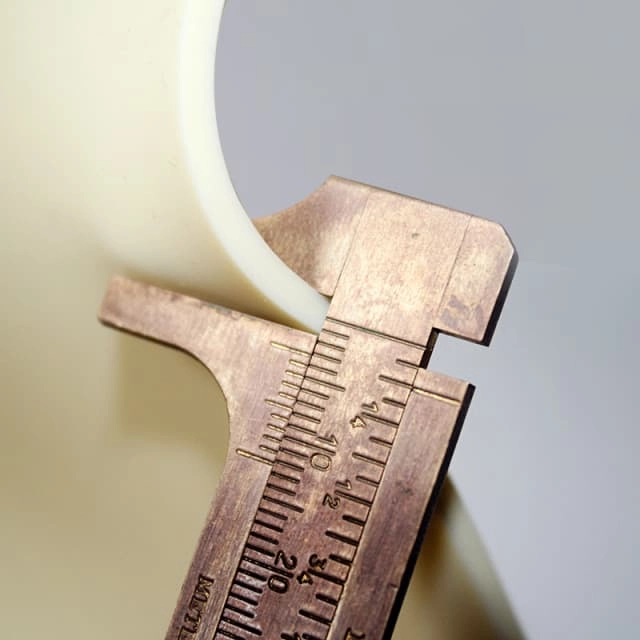
Prime silicone pads fight back like true skin. They grip ink well too. Spot-on for hand stance and machine grip. Grind sessions here. Forge that steady feel for sure shots.
Creating a Daily or Weekly Practice Routine
Lock in regular slots. Short ones count. They keep fire lit. Mix line pulls, shade work, and hue lays per go. That rounds you out fast.
Learning from Experts and Educational Resources
Tap pros and solid reads to jump ahead. Cut rookie slips. Boost drill smarts too.
Finding a Mentor or Apprenticeship Opportunity
Old-school pairings give gold hands-on lessons. Pros steer your moves, safety, and shop smarts. Stars often nod to guides from early days. Key tip: Never ink real folks solo. No watch from a vet. It’s wrong. Risks scars and bugs for them. Plus, it tags you “scratcher.” Kills cred before launch.
Online Courses, Books, and Communities for Beginners
Sharp web stuff lays clear paths. Vids show steps. Groups back you up. Good ones hit basics to shop runs. Learn from home. Easy access.
Attending Conventions and Networking with Professionals
Tattoo meets let you watch aces grind. Pick new ways. Link with field folks. Spot hot trends. Spark your own voice too.
Setting Up a Safe and Professional Workspace
Creating a Clean Environment for Practice and Future Clients
Hit clinic-clean marks. It guards all. Shows you’re pro. Good air flow. Bright lights. Neat storage. All set prime spots for clean, safe runs.
Organizing Equipment for Efficient Workflow
Place gear smart. Cuts germ odds. Smooths your flow. Everything arm’s reach. Sterile zones hold. Plan it. Stick to it.
Meeting Local Health Regulations and Licensing Requirements
Know your area’s health rules. Get licenses. Follow safety. It keeps you legal. Proves you care. Spots differ. But blood germ classes and checks pop up often.
Building Your Portfolio as a Beginner
Snap pro shots. They show work true and sharp. Use right light. Plain backs. Crisp shots. Basic photo tricks amp your book. Social shine too.
What to Include in a Beginner Portfolio
Mix samples. Show chops in styles and moves. Pick prime ones. Not piles. Let them mirror your now-skills and eye.
Sharing Your Work on Social Media and Online Platforms
Use feeds wise. Draw crowds. Land gigs. Link with peers and pros. Post steady. Fun stuff hooks ’em. Builds your tattoo spot.
Introducing Yaba: A Reliable Supplier for Tattoo Accessories
Gear sources shape your output and growth big-time. Pick suppliers right. For new blood especially.
Who Is Yaba and What Do They Offer?
Yaba focuses on prime tattoo gear and bits. Meets pro bars. Stays newbie-friendly. Lineup hits machines, needles, inks, drill stuff. All key for ramps.
Recommended Yaba Products for Beginners
Yaba’s intro packs mix smart. Great bang for buck. Fake skins, needle pods, solid machines. Lets you drill moves. Skip fix fusses.
Why Choose Yaba as Your Go-To Supplier
Steady prime. Fair tags. Helpful back-up. Yaba fits new and vets. They back tattoo school with top gear. Helps hit marks quicker.
Summary of Key Points for Aspiring Tattoo Artists
Shape your head right. Grab fit gear. Set drill loops. Hunt pro tips. That’s your tattoo base. Nail these beginner bits with time, grit, and push.
Encouragement to Stay Consistent and Keep Improving
Every ace started green. Same bumps as you. Steady grind. Keep learning. Push past roughs. That’s what crowns winners. Ditchers fade fast.
FAQs
Q1: How long does it take to become proficient at tattooing?
A: Most new tattoo artists need 6-12 months of steady drills on fake skin before a first client. Then years more for pro skills and your own flair.
Q2: Can I learn tattooing without an apprenticeship?
A: Pairings beat all for learning. But hard self-work with top aids and drills builds bases. Still, a vet speeds it. Dodges traps. Must before real hides.
Q3: What’s the most important skill for beginning tattoo artists to develop first?
A: Even line pulls ground every move. Lock smooth, firm lines with right plunge and pace. It sets you for shades, hues, and wild designs next.