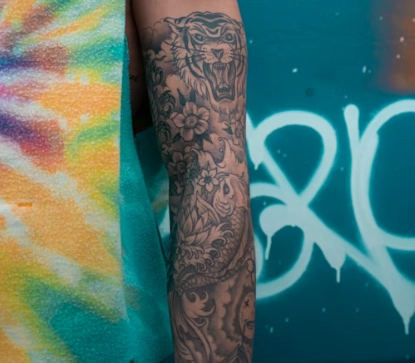
A tattoo kit for beginners acts as a solid starting point for tattooing. It supplies all the basic tools and supplies that new artists need to begin practicing safely, which happens in a controlled setting. You can repeat the process easily. Folks moving from sketching on paper to trying skin-like practice find these kits helpful, and they allow real hands-on learning that copies actual tattooing situations.
Practice kits come put together on purpose. They aim to build skills in spots like drawing lines, adding shades, and making dots, which occur well before any needle hits real skin. Top-notch parts in these kits push for strong habits right away. They stress cleanliness, steady work, and correct handling of the machine. As a result, early tattooists get a good base.
Why Is Choosing the Right Starter Kit So Critical?
Picking the right tools shapes safety and results a lot. Cheap machines create too much shaking or uneven power, which leads to bad methods and harm to practice skins. Even more key, selecting matching, strong parts means artists skip fixing tech problems. Instead, they spend time sharpening their abilities.
A well-put-together tattoo kit lets new folks form pro habits from the start. Things like cleaning steps and gear upkeep become routine. This strong base boosts self-assurance, and it also cuts down chances of hurt or wrong ways of working when real clients come into play.
What Should Be Included in a Beginner Tattoo Kit?
Tattoo machines show up in many styles. Each one brings its own perks for those just starting. Coil machines give a classic touch, but they call for tech know-how to adjust and care for them often. Rotary machines run on motors instead, and they provide smoother runs with reduced shaking, which makes them easier to handle.
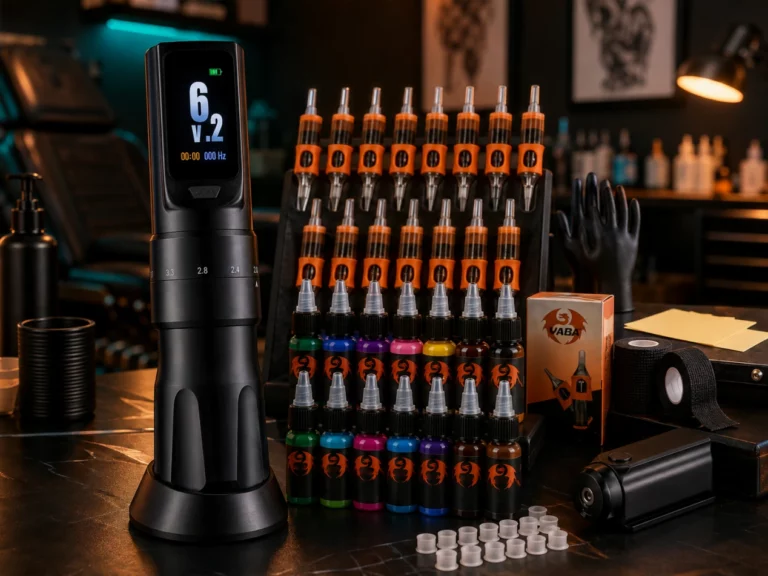
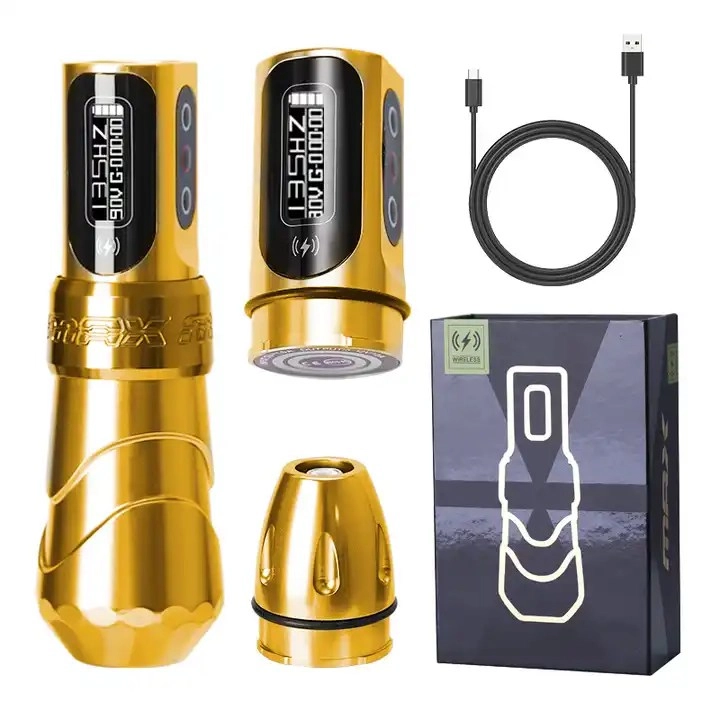
Wireless tattoo pens fit new artists who like freedom to move, and they skip cords and foot switches. Plus, they often add options like changeable voltage and stroke size. Take the YaBa Professional Flux MAX Tattoo Machine Cartridge Pen Wireless Battery Pen Set, and it has simple controls and includes two batteries. So, practice goes on without breaks.
Why Are Needle Cartridges Important for Learning?
Cartridges make switching needles simple, and they boost cleanliness with one-time use. Various setups handle certain jobs: liners for edges, shaders for smooth fades, and magnums for filling colors. New users benefit from ready-made groups, and these remove the need to guess and keep things even in training. Tools for dotwork, such as the Yaba Tattoo Supply Ball Point Cartridge, let you mimic dot patterns without ink, and they suit perfectly how much pressure to use.
How Do Power Supplies Affect Practice Efficiency?
Corded power sources give steady voltage. However, they limit how you can shift around. Battery packs without wires offer more give, and they keep the area tidy, too. Machines with voltage tweaks let beginners try out speeds and depths without worry. Battery duration matters a bunch. A full charge allows longer sessions without stops. Wireless setups with screens show voltage and power levels live, which cuts down on mistakes while training.
What Practice Skins and Learning Aids Should Be Used?
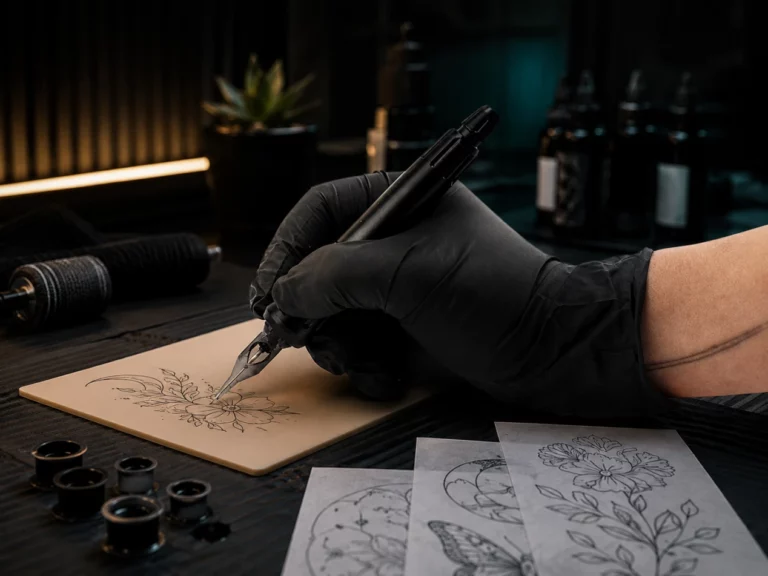
Silicone skins copy the feel of human skin. They let you see how needles act in real ways. The YABA Tattoo A4 0.3MM Silicone Fake Skin has even thickness and pull, which works great for getting lines under control. Skins with layers can show skin depth, and they help learn to avoid pushing through too far. Lots of kits bring guides for dots or printed lines, and these aid in matching hand moves to what you see while tracing.
What Tools Are Needed for Stencil Transfer?
Stencil printers prove super useful for newbies who want to move digital drawings to practice skins. The Tattoo Stencil Printer Wireless Bluetooth Portable Printer links to phones or tablets without wires, which handles many systems and skips the dirt from hand-done stencils. Thermal paper for transfers makes sharp, clean lines. You need this to keep designs true while practicing.
Are Inks and Sanitation Supplies Included?
Inks for practice are safe and non-harmful, but they only fit fake surfaces, not people. Items for aftercare, like wraps or creams, let you act out healing parts. Cleanliness stands out from the beginning. Gloves, bags for machines, one-time trays for needles, and cleaners teach new artists to focus on being spotless, which turns into a must-have in pro spots.
How Do You Evaluate the Quality of a Starter Kit?
Strong materials cut down on shaking, heat buildup, and quick breakdowns. Frames from aluminum alloy and fast motors point to a solid build. Such machines handle long practice times without issue.
Why Is Component Compatibility Essential?
Machines need to match cartridge types. Power sources must cover the machine’s voltage needs, too. Parts that don’t fit can break things or cause harm while using them.
Should Safety Standards Be Considered?
Packages that stay clean and one-use extras lower the risk of spreading germs, even on fake skin. Kits that follow clean rules get artists ready for strict places like licensed shops.
How Valuable Is Manufacturer Support?
Kits with guides, like manuals or video how-tos, ease the learning curve. Brands with guarantees or quick help from support teams bring peace of mind when buying your first gear.
Who Is Yaba and Why Do They Stand Out in Tattoo Training Supplies?
Yaba has made tattoo gear since 2009. who based in Jinhua City, China. The company zeros in on high-end machines, cartridges, and training tools. These suit pros and starters both. With options for custom making and design, they partner well for branded items and new ideas, and their edge comes from care in user-friendly shapes and fresh ideas. Every item passes tough checks for even quality. Tools aimed at beginners cover ballpoint cartridges for dots to silicone skins with layers that feel like real skin pushback.
How Can Beginners Use Their Tattoo Kit Effectively?
Put throwaway covers on all flat spots to keep dirt away. Line up tools so you can reach them easily without stopping. Good lights matter for spotting line sharpness and shade blends clearly.
What Techniques Should Be Practiced First?
- Line Work: Keep speed even and needle depth steady; this stops blowouts that trip up starters often.
- Shading: Go with gentle round moves at lower power; test on silicone first before new tries.
- Dotwork: Press firm and steady with special cartridges like ballpoint ends; they copy dotting sans ink hassle.
What Maintenance Habits Should Be Established Early?
- Daily Care: Wipe all parts after sessions; clean what you can use following maker rules.
- Long-Term Storage: Store machines in dry spots; charge batteries often; swap out beat-up bits like seals or handles when they wear.
What Pitfalls Should Beginners Avoid While Practicing?
Don’t pair rotary machines with coil needle types; wrong matches can wreck gear or lead to injury.
What Happens If You Overuse Practice Skins?
Too many runs on silicone warp its feel. This makes it hard to sense the needle response correctly. Swap skins often to keep your skills true to form.
Why Must Hygiene Protocols Be Followed Even on Fake Skin?
Skipping clean steps in training sets bad patterns that stick in pro work. Act like every time is on real skin. This way, you build steady, clean habits for later.
FAQ
Q1: Can I use beginner tattoo kits on human skin?
A1: No, beginner kits are primarily designed for practice on synthetic skins unless certified sterile components are used under professional supervision.
Q2: How do I know if my kit is compatible with wireless battery systems?
A2: Check the machine’s specifications or consult the manufacturer’s guide; many rotary pens like those from Yaba support universal battery connections.
Q3: How often should I replace needle cartridges during practice?
A3: Replace cartridges after each session or when performance drops; dull needles affect precision even on synthetic surfaces.