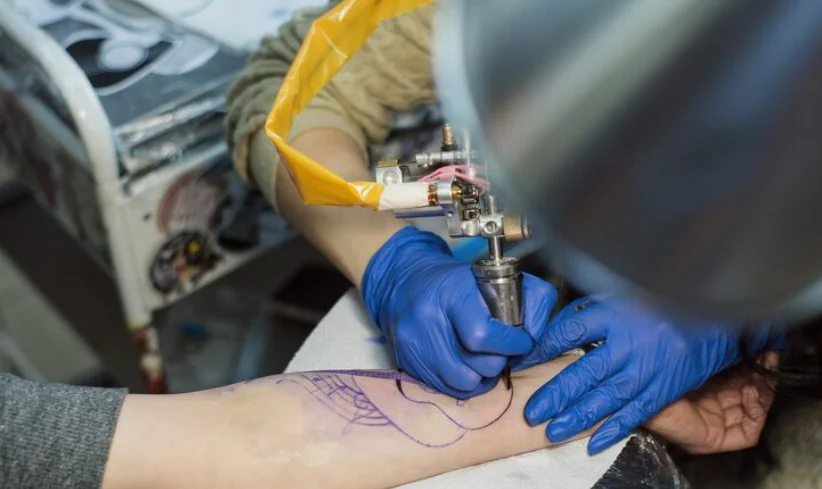
As line work gets more important in tattoos, creators must adapt to fresh trends coming soon. In 2026, many will tweak their own rotary setups for sharper results. But challenges pop up often. These include shaky parts or weak power. Yet pros find ways around them. They draw from trusted sources. One such spot is Yaba. This firm supplies gear that inspires better builds. Their items help with steady strokes and simple fixes. Artists rely on them for tips that lift homemade efforts.
Exploring the Role of Rotary Tattoo Machines in Line Work
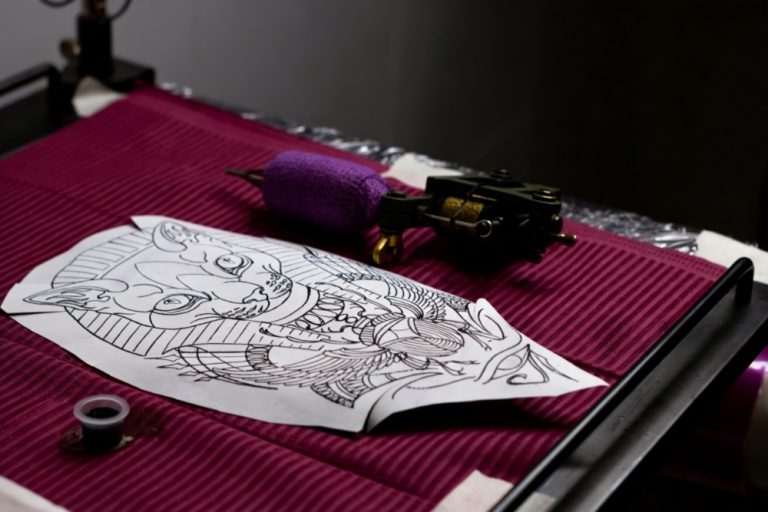
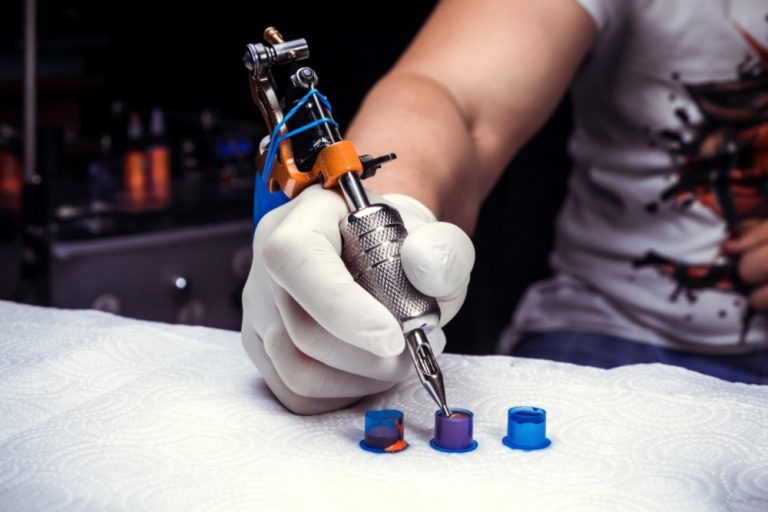
Rotary tattoo machines stand out as a main option for line work. Artists often pick them because they give better control and steady results. When compared to coil-based versions, rotary setups offer a straightforward linear motion. This simple design helps a lot with drawing lines. It works well for those who use or tweak a homemade rotary tattoo machine.
Key Characteristics of Rotary Tattoo Machines for Precision Line Work
The main trait of rotary machines lies in their steady needle movement. This steady action leads to even, neat lines. It causes less harm to the skin. Artists can keep a smooth hand motion. They avoid the jerks or uneven spots that sometimes happen with coil machines.
Another plus is the lower vibration. Rotary machines make much less mechanical sound and shake. This lets you concentrate more during long work times. You can hold exact control. It cuts down on hand tiredness. That matters a lot for keeping line quality in big or detailed designs.
The soft noise also helps create a peaceful work space. This benefits both the artist and the client. It proves useful when doing detailed line-focused designs. These tasks need focus over many hours.
Comparing Homemade Rotary Machines to Professional Models
When you think about a homemade rotary tattoo machine, the chance to customize it is a big strength. You can pick the motor, adjust the stroke parts, and shape the frame to fit your own way of working. But this freedom usually means less dependability and steady power.
DIY versions might have shaky voltage control or parts that are not lined up right. This can cause uneven lines. On the other hand, pro models like the EZ Tattoo Astral Rotary Tattoo Machine are built for exact output. The EZ Astral rotary tattoo machine has a well-balanced upright build. It uses a motor from Japan for the best results.
The quality of parts really affects how well you can make sharp and full lines. Bad bearings, motors, or wires can bring in differences in stroke speed or needle depth. In pro machines, these parts are made with care and checked for straight lines and stable strokes. Most home builds do not match this level.
Optimizing a Homemade Rotary Tattoo Machine for Better Line Performance
Even with their weak points, a carefully made homemade rotary tattoo machine can give good outcomes. This holds true if you focus on motor details and fix the mechanics well.
Selecting the Right Motor and Power Supply
To push the needle through the skin in a steady way, choose a motor with strong torque and slow speed. These motors provide enough turning power. They keep the needle going deep at a constant rate, even when the skin pushes back during the stroke.
Steady voltage counts as another key part. If voltage changes, strokes become uneven. This shows up as wobbly or split lines. Match your home machine with a power supply that controls voltage tightly. It should stay in a small range all through the work time.
Plus, pick good RCA connections instead of makeshift wires. This cuts down on power loss or sudden jumps. Even small electric changes can lead to clear flaws in your lines.
Adjusting Stroke Length and Needle Depth Properly
Stroke length sets how much the needle moves in each cycle. For clear lines, pick shorter strokes from 2.5mm to 3.5mm. They let you go slower and with more care. You avoid too much skin damage.
You must set needle depth just right. If it’s too light, the ink won’t stick. If it’s too far in, you might cause blowouts and extra scars. Always try your stroke setup on fake skin before using it on real skin.
If your build has adjustable stroke cams, use them. This way, you can test different lining methods. You do not need to remake the whole setup.
Enhancing Line Quality Using the EZ Tattoo Astral Rotary Tattoo Machine as Reference
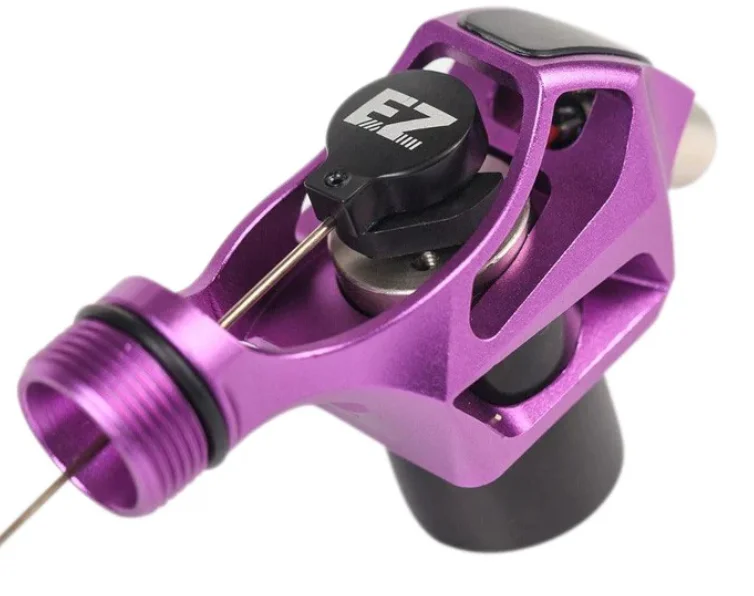
Pro tools do more than just serve as gear. They act as guides to better home builds. The EZ Tattoo Astral Rotary Tattoo Machine has several traits aimed at improving line work.
Features That Support Superior Line Work in the Astral Model
It includes three changeable plunger bars. These fit for firm, medium, and gentle tattoo styles. So, you can adjust how it reacts to your method.
The machine has a strong but quiet motor. This gives steady work. Each pass puts ink evenly. It causes little skin upset.
Its stroke length adjusts from 3.0–4.0mm. This gives room to change. You can set it for thin or thick lines based on what the job needs.
The easy-to-hold aluminum body cuts down on tiredness in long sessions. It’s tough to copy this in heavy home frames from steel or 3D prints.
Comparing Homemade Builds with EZ Tattoo Astral Performance Standards
The Astral’s frame is made with CNC machines. This ensures exact fit, which is hard to get every time in home setups. There, tool limits can differ.
Its inside damping setup soaks up shakes before they reach your hand. This keeps lines even. It differs a lot from most DIY machines. In those, shakes hit your control directly.
Also, the built-in RCA link gives stable power. This beats makeshift wire setups. It adds to the machine’s strong results.
Practical Techniques to Improve Line Work Results with Any Rotary Machine
No matter if you use a homemade rotary tattoo machine or a pro one, good methods shape your outcomes a great deal.
Needle Selection and Cartridge Configuration Tips
Matching Needle Groupings to Line Styles
Pick close round liners like 3RL or 5RL for small details. Think of fancy writing or shape outlines. For bigger tribal or old-school designs that need full thick lines, go with groups like 9RL or 11RL.
Cartridge Compatibility with Homemade and Professional Machines
Make sure your cartridges work with your grip setup. For instance, the Adjustable Cartridge Grip works well with the Astral machine. But it guides you when setting up grips on home builds too.
Also, spend on top cartridges. They give steady ink flow. They cut down on splashes. This makes it simple to make clean lines without going over the same spot many times.
Hand Speed, Machine Angle, and Pressure Control Techniques
Maintaining Consistent Hand Speed Relative to Voltage Output
Your voltage levels need to fit your drawing pace. A slow hand with high voltage can wear out the skin too much. A quick hand with low voltage might leave gaps in lines. Set both based on how your motor acts when under pressure.
Adjusting Machine Angle for Clean Entry Points
Keep the machine at 45°–60° while lining. This helps put pigment in the best way. It avoids harm to deeper skin layers.
Applying Balanced Pressure During Lining Passes
If you push too much, blowouts can happen. If you press too soft, parts of the outline get missed. Work on even pressure in each go. This is key if your home build does not have damping parts.
Leveraging Professional Tools Like the EZ Tattoo Astral to Elevate DIY Setup Standards
When you work to better your homemade rotary tattoo machine or plan new changes, draw ideas from proven tools. These meet what the field requires.
Integrating High-End Components into Custom Builds Inspired by the Astral Machine
Put in a motor like the EZ Tattoo for smoother runs and less heat in long times. Shape the frame for easy hold, like the CNC aluminum in the Astral. This helps with weight spread and grip feel.
Copy stroke change systems. This gives you more options in lining ways. It could be cam-based or magnetic plunger types.
Benefits of Transitioning from DIY Builds to Professional Equipment Over Time
Pro machines run longer without breaks. They have fewer part failures and stronger inside builds. They also give better exactness across various skin kinds and design types.
In the long run, this means less cost for fixes and stronger results. It boosts how happy clients feel and builds your good name in the work.
Exploring Yaba’s Support Services and Product Access Options
Whether you upgrade from a homemade rotary tattoo machine or look for tips on cartridge fit, Yaba Tattoo Supply gives tech help and ways to get top tools. These raise your skills.
Customer Support and Technical Guidance from Yaba Tattoo Supply
Their group offers full product info made for skilled artists. It skips basic lessons and gives useful facts. You can contact them in many ways, like straight on their site. Response times rank high in the field.
How to Order the EZ Tattoo Astral Rotary Tattoo Machine from Yaba
Go to the EZ Tattoo Astral Rotary Tattoo Machine product page. There, you find all specs and order info. Price includes 1 piece RCA clip cord. They offer safe shipping worldwide. Plus, warranty covers your needs. This promise beats what most basic sellers do.
FAQ
Q: What motor type should I use for my homemade rotary tattoo machine?
A: A high-torque, low-RPM motor delivers stable needle movement essential for consistent lines during long sessions.
Q: How do I prevent blowouts while lining?
A: Maintain correct needle depth (not too deep), use proper pressure, and keep your hand speed matched with voltage output.
Q: Can I upgrade my homemade rotary tattoo machine using parts similar to those in pro models?
A: Yes, you can replicate elements like adjustable stroke systems, CNC-milled frames, and premium motors for improved performance.