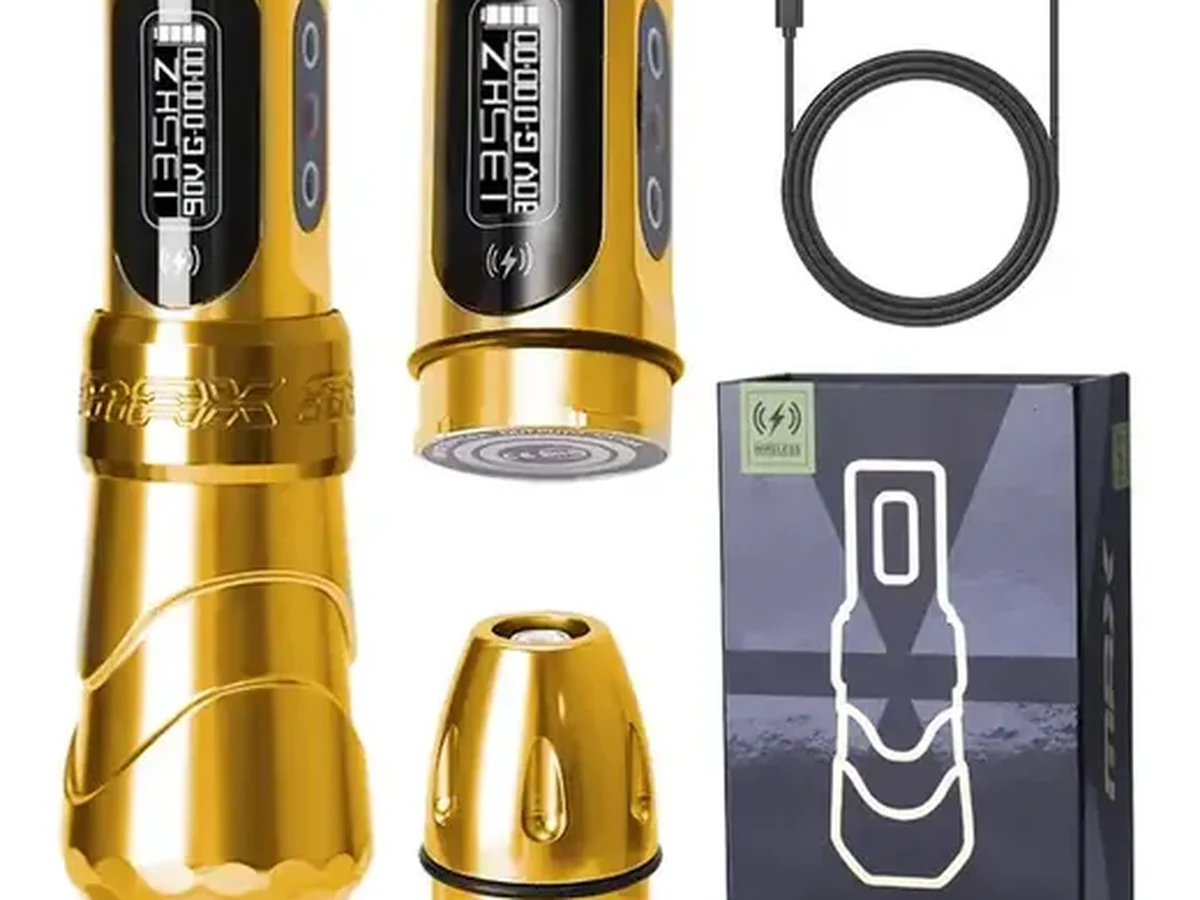
Las máquinas de tatuar inalámbricas son ahora una opción práctica para los estudios que buscan un espacio de trabajo más ordenado, menos cables y mayor libertad de movimiento alrededor del cliente. Para distribuidores y compradores, la decisión no se basa únicamente en el diseño moderno de la máquina, sino también en la claridad de su explicación, su embalaje uniforme, el soporte posventa y la posibilidad de volver a pedirla sin que cambie su presentación. Tatuaje YABA Ofrece a los compradores profesionales un punto de partida útil para comparar máquinas de tatuar, accesorios eléctricos, suministros para plantillas y consumibles de estudio en una única vía de abastecimiento.
Un dispositivo inalámbrico integra el cuerpo del lápiz, el módulo de alimentación, la pantalla, el control de voltaje, la gestión de la batería y la interfaz de usuario en una sola herramienta portátil. Esta comodidad facilita la venta del producto, pero también implica que más detalles influyen en la retroalimentación real del estudio. Por lo tanto, para tomar una decisión de venta al por mayor, es fundamental probar el dispositivo como un sistema funcional, no solo como un atractivo dispositivo en una fotografía.
Antes de confirmar un pedido al por mayor, los compradores deben definir el público objetivo. Los estudios principiantes pueden preferir controles sencillos e instrucciones claras. Los artistas experimentados, en cambio, valorarán más el rango de pulsación, la vibración, el equilibrio de la batería y la sensación al tacto del cartucho. Un distribuidor que atienda a ambos grupos necesita especificaciones, muestras, un plan de repuestos y descripciones de producto honestas que se mantengan vigentes tras el primer pedido.
¿Por qué las máquinas de tatuar inalámbricas tipo pluma necesitan controles mayoristas más estrictos?
Los modelos inalámbricos generan mayores expectativas en los clientes que muchas máquinas con cable, ya que los artistas se fijan en la sensación de potencia, el equilibrio del agarre, la duración de la batería, la facilidad de carga y la precisión de la pantalla durante cada sesión. Si alguno de estos aspectos no está claro, el distribuidor puede recibir consultas de soporte que podrían haberse evitado durante la fase de selección.
El posicionamiento del comprador precede a la selección del modelo.
Un comprador mayorista debe decidir si el producto está dirigido a estudios principiantes, artistas móviles, tiendas profesionales, usuarios de maquillaje permanente o canales de reventa mixtos. Cada grupo valora un equilibrio ligeramente diferente entre duración, peso, flexibilidad de trazo y la completitud del kit. Este posicionamiento también influye en el paquete de accesorios, el manual de instrucciones y el texto de la página del producto.
Las pruebas de muestra deben coincidir con los hábitos reales del estudio.
Una breve prueba de laboratorio no es suficiente. Los compradores deben probar la muestra con diferentes ajustes de voltaje, verificar la vibración tras un uso prolongado, comprobar la comodidad de agarre con guantes y comparar el comportamiento de la máquina con los grupos de agujas de cartucho más comunes. Registrar estas observaciones ayuda al equipo de ventas a evitar afirmaciones vagas y proporciona a los distribuidores información más sólida antes de realizar un pedido mayorista de máquinas de tatuar.
¿Cómo deben los compradores comprobar la estabilidad del motor antes de comparar su apariencia?
El motor es uno de los primeros aspectos técnicos a revisar, ya que influye en el delineado, el sombreado, el trabajo con colores suaves y la confianza del cliente. Un diseño elegante puede llamar la atención, pero un motor estable es lo que garantiza la utilidad del producto tras la primera semana de uso en el estudio.
La sensación de potencia requiere varias condiciones de prueba.
Los compradores deben preguntar si la máquina mantiene una salida estable en diferentes niveles de voltaje, si el sonido es aceptable en un estudio profesional y si el cuerpo se vuelve incómodo durante un funcionamiento prolongado. Una referencia de producto como la Máquina de tatuar inalámbrica Inkone con carrera ajustable Se puede revisar al comprobar cómo se explican a los clientes B2B el ajuste de la carrera, el control inalámbrico y la presentación del kit.
Especificaciones: Se necesita traducción del equipo de ventas
Las especificaciones técnicas deben traducirse a un lenguaje comprensible para los distribuidores. En lugar de simplemente enumerar la velocidad del motor, el rango de voltaje o el número de carreras, la ficha del producto debe explicar el significado de cada dato para que el cliente pueda elegir. Esto facilita la venta del producto en línea, en tiendas de suministros para estudios y a través de catálogos de distribuidores.
¿Qué detalles sobre la batería y la carga se deben confirmar?
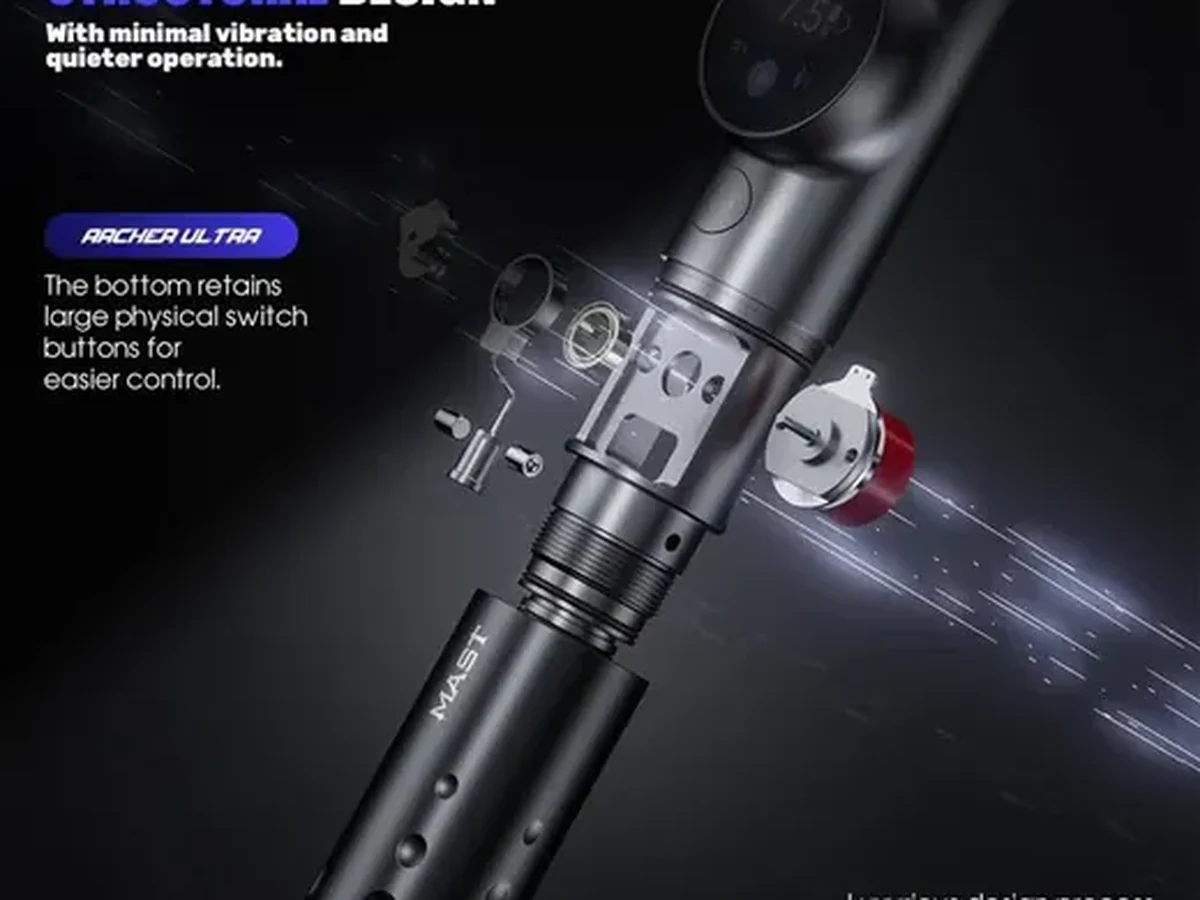
El rendimiento de la batería es una de las diferencias más notables entre las máquinas de tatuar inalámbricas. Influye en la confianza del usuario, las consultas de los clientes y la cantidad de accesorios que se deben tener en stock para garantizar ventas recurrentes.
Las afirmaciones de tiempo de ejecución deben incluir condiciones de prueba.
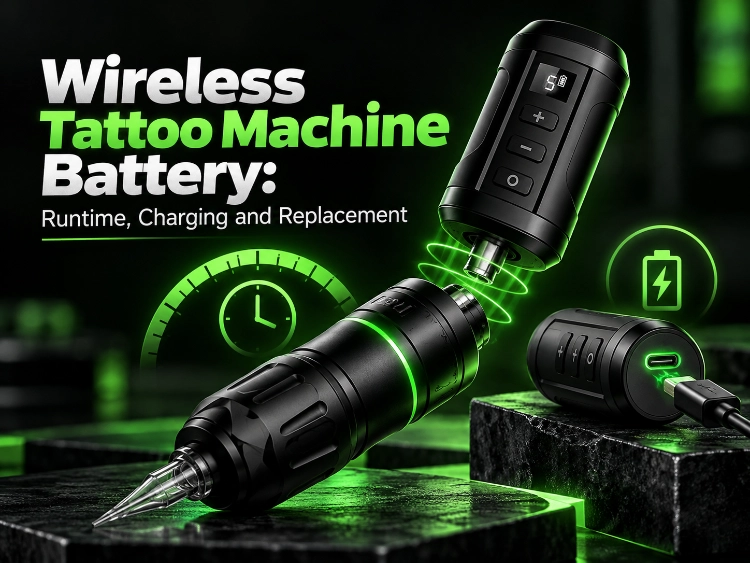
La duración de la batería puede variar según el nivel de voltaje, la agrupación de agujas, el estilo de trabajo, la antigüedad de la batería y el tiempo de pausa. Los compradores deben evitar promesas de duración de la batería sin respaldo y solicitar rangos de uso realistas. La página del producto también debe indicar si la máquina utiliza módulos de alimentación reemplazables, cómo funciona el indicador de batería y qué método de carga se proporciona.
La planificación de accesorios mejora el valor de los pedidos repetidos.
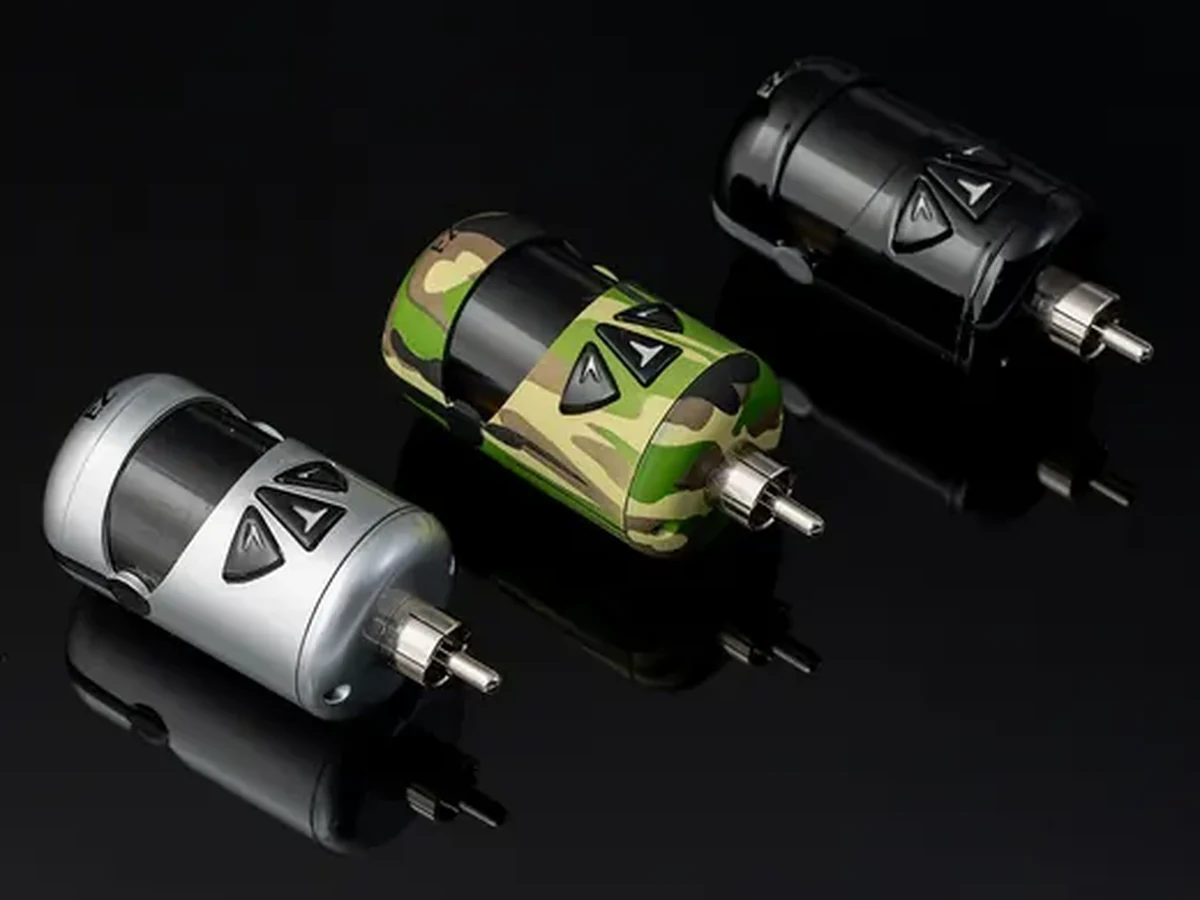
Si un distribuidor quiere crear una gama de productos más completa, un compatible paquete de baterías para tatuajes inalámbricos Puede considerarse un accesorio para artistas que buscan alimentación de respaldo o una configuración más flexible. El comprador debe confirmar el tipo de conector, el cable de carga, el embalaje y si las baterías se pueden adquirir por separado.
¿Cómo afectan el ajuste de la carrera y el ajuste del cartucho a los pedidos repetidos?
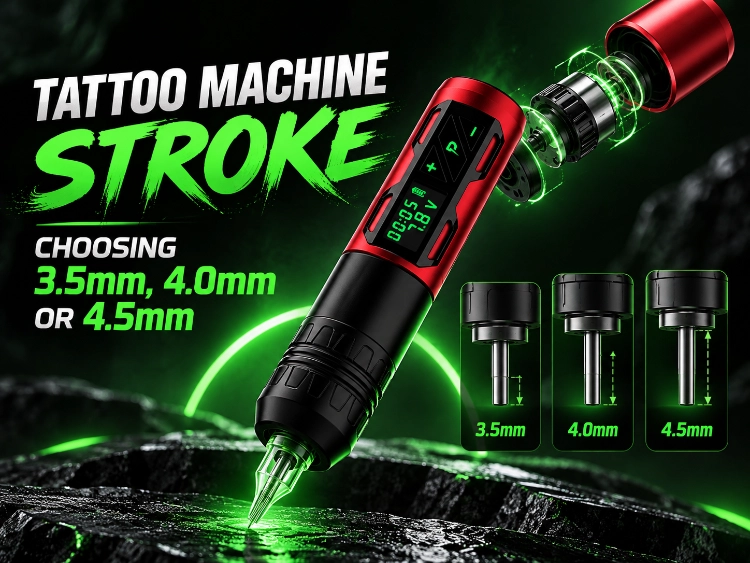
El ajuste de la carrera puede ayudar a que un modelo cubra más necesidades de los clientes, pero solo si el ajuste es estable, repetible y fácil de explicar. La compatibilidad con los cartuchos es igualmente importante, ya que muchos artistas ya utilizan marcas de agujas preferidas y esperan que la pluma sujete los cartuchos de forma segura.
El ajuste debe sentirse consistente
Los compradores deben confirmar el rango de recorrido indicado, la sensación del mecanismo de ajuste y si la configuración seleccionada se mantiene estable durante el funcionamiento normal. Si un modelo se promociona para varios estilos de tatuaje, el proveedor debe proporcionar instrucciones claras que los equipos de ventas puedan convertir en descripciones de productos y tablas comparativas.
El ajuste del cartucho reduce la presión de retorno.
Una máquina que sujeta de forma segura las agujas de cartucho comunes puede atender a una clientela más amplia. Al revisar las muestras, los compradores deben comprobar la estabilidad, el control de profundidad, la conexión de la empuñadura y la facilidad con la que los artistas pueden cambiar los cartuchos durante una sesión. Estos pequeños detalles suelen ser determinantes para que los estudios vuelvan a pedir la misma máquina o cambien de proveedor.
¿Qué embalaje y qué tipo de soporte del proveedor hacen que el producto esté listo para la venta al por mayor?
La preparación para la venta al por mayor depende de más factores que la propia máquina. El embalaje, las listas de accesorios, los manuales, la planificación de repuestos, la comunicación sobre la garantía y la consistencia en los pedidos posteriores influyen en la experiencia del comprador tras el primer envío.
El contenido del kit debe ser fácil de verificar.
La caja exterior, la bandeja interior, el manual de usuario, el cable, el módulo de batería, la empuñadura y los accesorios de repuesto deben coincidir con la descripción del producto. Los compradores que comparan niveles de modelos también pueden revisar un producto estilo kit como el Conjunto de bolígrafos inalámbricos con batería Flux MAX para ver cómo se puede posicionar una oferta inalámbrica completa para los clientes de estudio.
Las notas de la solicitud de cotización deben abarcar el soporte futuro.
Una RFQ útil debe incluir el mercado objetivo, la cantidad del pedido, la preferencia de color, los requisitos de embalaje, las necesidades de muestras, los manuales, las solicitudes de accesorios y las expectativas de reordenamiento. Cuando los compradores estén listos para comparar muestras o condiciones mayoristas, pueden Contacta con YABA Tattoo con el grupo de clientes y la gama de productos que desean desarrollar.
Para obtener una solicitud de cotización más fiable, el comprador debe pedir al proveedor que confirme el tipo de motor, el rango de carrera, el rango de voltaje, la capacidad de la batería, el puerto de carga, el peso de la máquina, el diámetro de la empuñadura, las opciones de color, la lista de accesorios, la cantidad por caja, el idioma del manual y las condiciones de prueba de las muestras. Estas variables facilitan la comparación de dos máquinas de tatuar inalámbricas sin basarse únicamente en la apariencia.
Una hoja de registro práctica permite documentar el tiempo de funcionamiento a un voltaje determinado, la sensación térmica tras una sesión prolongada, comentarios sobre vibraciones, el ajuste del cartucho, la respuesta de carga, el contenido del paquete y la tolerancia de medición de las piezas clave. Al guardar estas notas con fotos y códigos de pedido, el distribuidor dispone de un archivo más claro para futuros pedidos y para brindar soporte al cliente.
Los compradores suelen encontrar que la primera solicitud de cotización (RFQ) es más fácil de comparar cuando la hoja de aprobación de muestras utiliza los mismos nombres de campo que el archivo de reorden posterior. En la práctica, esto implica registrar la configuración de voltaje, las condiciones de prueba de funcionamiento, la tolerancia de agarre, el formato de los accesorios, las condiciones de carga de la caja y los comentarios del probador de estudio antes de la aprobación del modelo.
Para garantizar la coherencia interna de los archivos de productos, los compradores pueden mantener el mismo código de modelo, nombre del producto y notas de pedido en todos los registros de muestras, hojas de cotización y detalles de las cajas. Un distribuidor de máquinas de tatuar también puede guardar el tiempo de funcionamiento, el rango de carrera, el contenido del kit y las notas de embalaje en el mismo archivo, de modo que los equipos de ventas puedan responder a las preguntas sobre pedidos repetidos de forma más consistente.
Para una verificación tardía del surtido, los compradores pueden comparar el categoría de agujas para cartuchos de tatuaje junto al pedido de la máquina para que el distribuidor pueda planificar suministros repetibles compatibles para los clientes del estudio.
Conclusión
Una máquina de tatuar inalámbrica puede convertirse en un producto de gran éxito al por mayor cuando los compradores la consideran una herramienta completa para el estudio. La estabilidad del motor, el rendimiento de la batería, el ajuste de la carrera, la compatibilidad del cartucho, el embalaje, los accesorios y el soporte del proveedor influyen en si el producto se puede vender con confianza y si se vuelven a pedir con menos consultas de soporte.
La estrategia de abastecimiento más eficaz es la práctica: definir al cliente objetivo, probar muestras en condiciones reales de estudio, confirmar los archivos del producto y mantener claros los detalles para la reposición. Una máquina que los artistas entiendan fácilmente y que los distribuidores puedan mantener suele ser más valiosa que una que solo luzca impresionante en un catálogo.
Preguntas frecuentes
P1: ¿Qué deberían probar primero los compradores en una máquina de tatuar inalámbrica tipo bolígrafo?
A1: La estabilidad del motor, el comportamiento de la batería, la comodidad del agarre, la vibración y el ajuste del cartucho suelen ser los primeros puntos de control, ya que afectan directamente a la experiencia del artista.
P2: ¿Deberían los distribuidores optar por máquinas de tatuar tipo pluma de carrera ajustable?
A2: Los modelos de carrera ajustable pueden servir a grupos de clientes más amplios cuando el ajuste es estable, repetible y fácil de explicar para el equipo de ventas.
P3: ¿Por qué es importante la planificación de las baterías para los pedidos al por mayor?
A3: La planificación de la batería afecta a las afirmaciones sobre la duración de la batería, las ventas de accesorios, las preguntas de soporte y la posibilidad de que los estudios vuelvan a pedir módulos de alimentación compatibles más adelante.