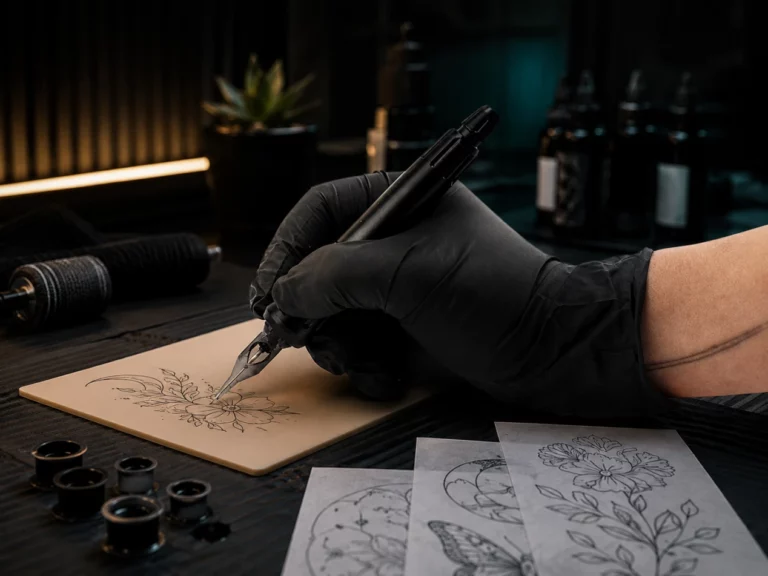
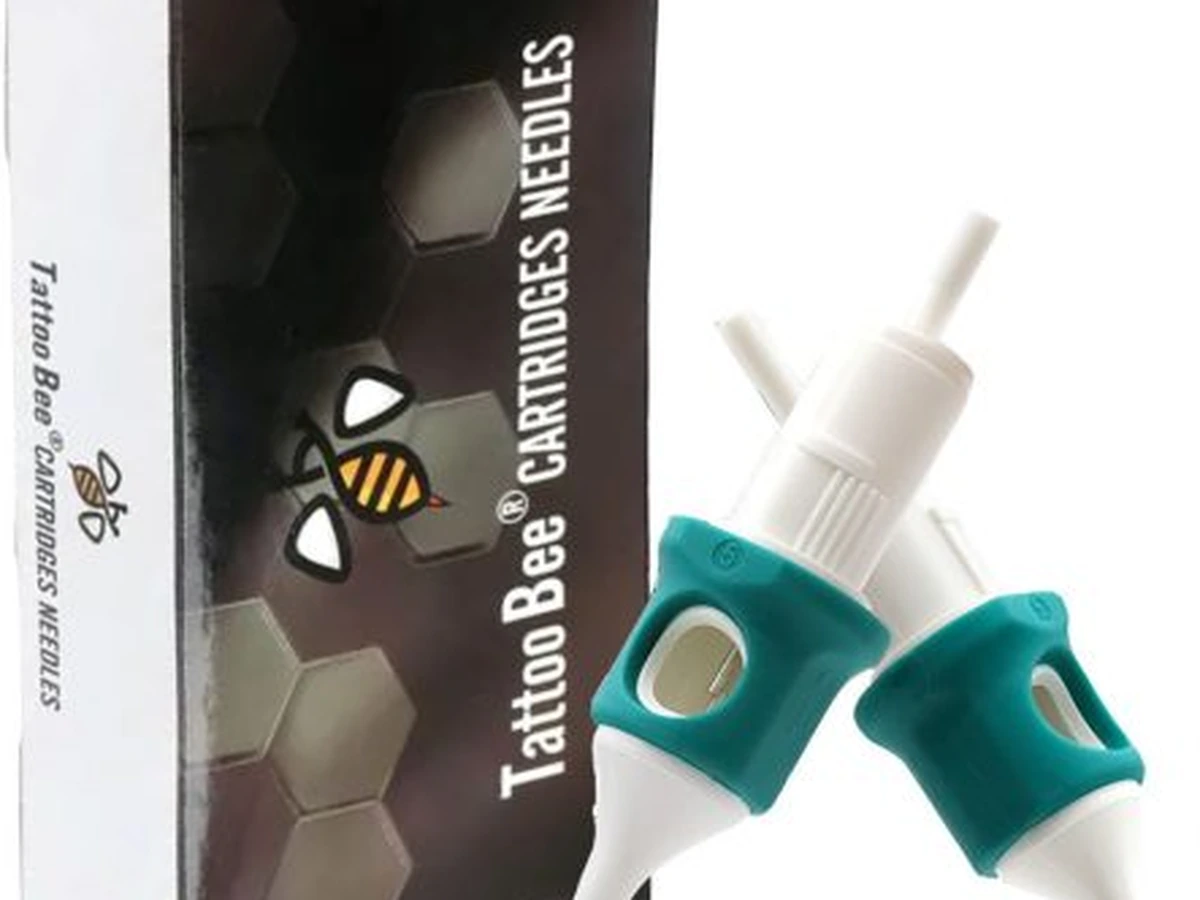
Para un estudio, comprar cartuchos de agujas para tatuar no se trata solo de elegir una aguja afilada en la página del producto. La verdadera cuestión es si la gama de cartuchos puede satisfacer las necesidades diarias de delineado, sombreado, relleno de color, micropigmentación, control de higiene y pedidos repetidos sin generar pequeños problemas cada semana.
Muchos compradores comienzan con búsquedas generales como cartuchos de tatuaje o agujas para cartuchos, pero pronto se encuentran con demasiadas opciones: agujas redondas para delinear, agujas redondas para sombrear, agujas magnum, agujas magnum curvas, cartuchos de agujas para micropigmentación y agujas para micropigmentación capilar. Si el pedido no se planifica en función del trabajo real en un estudio, algunos tamaños se agotan rápidamente mientras que otras cajas quedan sin usar.
Una mejor compra comienza con el tipo de servicio, la compatibilidad de la máquina, la agrupación de agujas, el diseño de la membrana, el embalaje y los hábitos de reordenamiento. Para estudios y distribuidores que necesitan opciones de cartuchos para tatuajes, PMU y SMP, Tatuaje YABA Proporcionamos productos en cartucho y soporte OEM/ODM para suministro a granel y embalaje de marca propia.
¿Por qué los estudios deberían empezar por el tipo de trabajo en lugar del precio?
Un presupuesto más bajo no sirve de nada si la combinación de cartuchos no se ajusta a los servicios diarios del estudio. Un estudio de tatuajes de líneas finas, un estudio de tatuajes a color, un estudio de micropigmentación y un proveedor de servicios de micropigmentación capilar requieren una planificación de cartuchos diferente.
Antes de comparar proveedores, los compradores deben hacer una lista de tres cosas: qué servicios se reservan con más frecuencia, qué tamaños de agujas se usan más rápido y qué tipos de cartuchos son los que más critican los artistas. Esto convierte una compra general en un plan de suministros de estudio bien definido.
El forro, el sombreado y el empaquetado requieren agrupaciones diferentes.
Los cartuchos redondos delineadores se suelen elegir para contornos, letras, detalles pequeños y trazos precisos. Los cartuchos redondos para sombreado son ideales para una cobertura más suave y áreas pequeñas. Las agujas de los cartuchos magnum y magnum curvas son más útiles para rellenos más grandes, aplicación de color y difuminados más suaves.
Un error común es pedir demasiados tamaños que parecen seguros. En la práctica, un estudio puede quedarse sin delineadores antes de que se agoten las cajas de sombreado adicionales, mientras que las cajas de sombreado sobrantes permanecen almacenadas. Los pedidos al por mayor deben separar los tamaños básicos de uso diario de los tamaños de menor rotación.
| Tipo de trabajo de estudio | Enfoque del cartucho | Punto de control de compra |
|---|---|---|
| Líneas finas y letras | Revestimiento redondo | Compruebe la estabilidad, la visibilidad de la punta y el suministro de tamaño repetible. |
| Sombreado suave | sombreador redondo | Comprobar el flujo de pigmento y el control manual. |
| Embalaje de color | Magnum / magnum curva | Compruebe el flujo de tinta, la suavidad de los bordes y el contacto con la piel. |
| Servicios de PMU | Cartuchos de agujas para micropigmentación | Compruebe el rango de tamaño fino, la visibilidad y el embalaje higiénico. |
| Trabajo de SMP | Agujas para micropigmentación del cuero cabelludo | Control de puntos y agrupación consistente |
Esta tabla también puede ayudar a los distribuidores a crear paquetes de SKU más claros. Un kit para principiantes, un paquete de recarga de PMU y un paquete de reposición para estudios de tatuajes profesionales no deben usar la misma proporción de cartuchos.
¿Qué detalles del diseño del cartucho son importantes durante las sesiones diarias?
Una vez que se define el tipo de trabajo, los compradores deben comparar los detalles del diseño. Los cartuchos de agujas para tatuar pueden parecer similares en línea, pero pequeñas diferencias de diseño pueden afectar el control de la línea, el flujo del pigmento y la comodidad del artista durante una larga jornada.
Un estudio debería hacerse una pregunta sencilla: ¿pueden los artistas usar estos cartuchos para sesiones normales sin problemas? De no ser así, el bajo costo inicial podría traducirse en tiempo perdido, más limpieza, revisiones repetidas de la máquina o un trabajo inconsistente.
La estructura de la membrana favorece un flujo de trabajo más limpio.
Una membrana de seguridad ayuda a reducir el riesgo de reflujo de líquido y protege la parte de la máquina que está en contacto con el equipo. Esto es importante para las máquinas rotativas y tipo pluma, especialmente cuando los estudios utilizan máquinas inalámbricas o plumas de tatuaje compactas.
Para compras de revestimientos centradas en membranas, Tatuaje YABA Cartuchos Finger Ledge, agujas de 0,35 mm, revestimiento redondo Están diseñados con una membrana de seguridad, un cuerpo ligero y transparente, una carcasa de perfil bajo y una estructura que optimiza el flujo de tinta. Para los estudios que compran cartuchos de tatuaje en lotes repetidos, estos detalles influyen tanto en el control de las sesiones como en el cuidado del equipo.
La visibilidad de la punta afecta al control de la línea.
Es fácil pasar por alto la visibilidad de la punta durante la adquisición, pero los artistas lo notan rápidamente. Si la punta oculta demasiado el movimiento de la aguja, las líneas finas, los pequeños detalles y el maquillaje permanente se vuelven más difíciles de controlar.
En estudios con varios artistas, la visibilidad también facilita la formación. Los artistas más experimentados pueden adaptarse a diferentes agujas de cartucho, pero los principiantes suelen necesitar ver con claridad el movimiento de la aguja y el flujo del pigmento. Los compradores deben comprobar la visibilidad con la iluminación habitual del estudio, no solo a partir de las fotos del producto.
El ajuste de la carcasa reduce los problemas de vibración.
Tras la instalación, la carcasa, la conexión de agarre y el conjunto de agujas deben sentirse estables. Si el ajuste es flojo, los artistas pueden percibir vibraciones, inestabilidad o movimientos irregulares. Estos problemas podrían no ser evidentes en un breve vídeo del proveedor, por lo que se recomienda realizar pruebas con muestras.
Antes de confirmar un pedido grande, los estudios deben instalar muestras en las máquinas que usan habitualmente y probar los ajustes de trazo más comunes. Los artistas deben verificar el inicio y el final de la línea, el flujo de tinta y la comodidad al tacto. En la práctica, los compradores suelen usar una primera solicitud de cotización y una solicitud de muestras para confirmar la combinación de tamaños, el diseño de la membrana, las etiquetas del empaque, la cantidad de cajas y el suministro recurrente antes de la producción en masa.
¿Cómo deben planificar los compradores los cartuchos de tatuaje para los pedidos de reposición?
Un pedido de estudio es diferente a un pedido de artista individual. Un artista puede comprar algunas cajas de sus productos favoritos. Un estudio o distribuidor necesita un sistema de cartuchos que sea fácil de reordenar, almacenar y explicar al personal.
Si los nombres de los tamaños, las etiquetas y las cantidades por caja no son claros, es más probable que se produzcan errores en los pedidos. El comprador debe elaborar una lista sencilla de los tamaños principales, los tamaños de reserva y los tamaños para usos especiales antes de solicitar un presupuesto final.
El rango de tamaños debe ajustarse al uso real.
Una amplia gama de tamaños solo resulta útil cuando el estudio puede gestionarla. Los tamaños de delineadores y sombreadores de mayor rotación pueden almacenarse en mayores cantidades. Las configuraciones especiales pueden mantenerse en lotes más pequeños.
El Categoría de cartuchos de tatuaje YABA ofrece a los compradores una visión más amplia de las opciones de cartuchos para tatuajes y micropigmentación. Para un sombreado y empaquetado de color más amplios, Cartuchos y agujas profesionales para tatuajes YABA PRO2 de 0,35 mm Magnum y Cartuchos profesionales para tatuajes YABA PRO2, agujas de 0,35 mm, Magnum curvas Se puede combinar con cartuchos de agujas para tatuar específicos para delineados para crear una lista de suministros de estudio más completa.
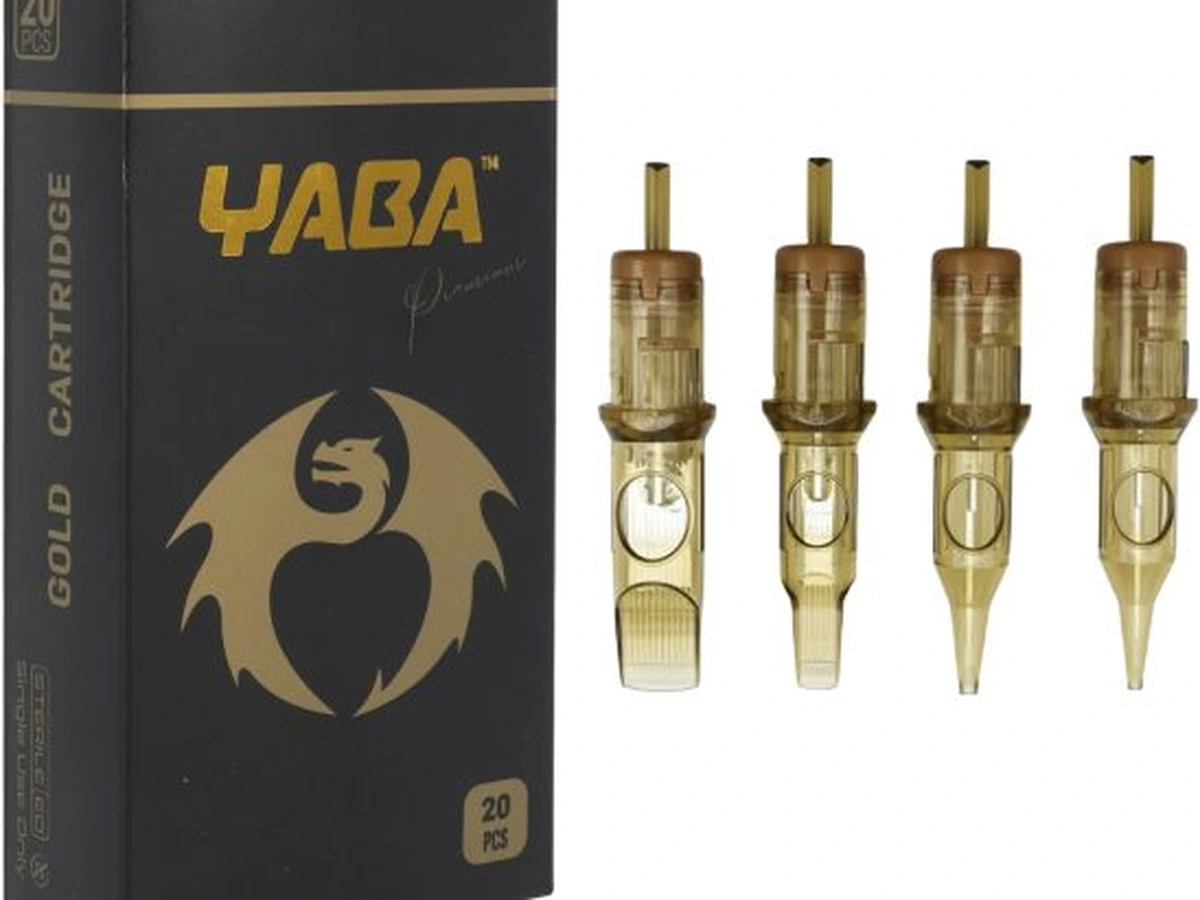
El embalaje facilita el almacenamiento y la presentación de la marca.
El empaque influye en mucho más que la apariencia. Ayuda al personal a contar las cajas restantes, preparar citas y evitar confusiones. Para los distribuidores y compradores de marcas blancas, el empaque también afecta la presentación en los estantes y la venta al por mayor.
Los compradores deben confirmar la cantidad de cajas, el marcado del tamaño, el tipo de blíster, el diseño de la etiqueta y las opciones de fabricación OEM. Estos detalles no sustituyen el rendimiento de la aguja, pero facilitan la gestión del suministro a granel.
La cantidad mínima de pedido debe coincidir con la velocidad de ventas.
La cantidad mínima de pedido (MOQ) debe ajustarse al ritmo de uso real. Un estudio que esté probando nuevas agujas para cartuchos puede comenzar con lotes pequeños y controlados. Un distribuidor con una demanda constante puede realizar pedidos más grandes por grupos de tamaño.
El riesgo reside en pedir demasiadas configuraciones de baja rotación solo para obtener un mejor precio. Un método más seguro consiste en realizar pruebas de muestra primero y luego repetir el pedido en función del uso real.
¿Dónde se colocan los cartuchos de PMU y SMP?
Los trabajos de tatuaje, micropigmentación (PMU) y micropigmentación capilar (SMP) pueden compartir la planificación de suministros, pero no deben considerarse el mismo servicio. La PMU y la SMP suelen requerir un control más preciso, una visibilidad clara, una agrupación estable y un manejo cuidadoso de los productos desechables.
Los estudios que ofrecen servicios mixtos deberían planificar los cartuchos de agujas para micropigmentación y las agujas para micropigmentación capilar como líneas de productos separadas, en lugar de agregarlas de forma casual a un pedido general de cartuchos para tatuajes. Esto simplifica el inventario y reduce la posibilidad de elegir el cartucho incorrecto para un servicio que requiere precisión.
Los servicios de micropigmentación requieren un control preciso del tamaño.
Los cartuchos de agujas para micropigmentación se utilizan a menudo para zonas pequeñas y trabajos que requieren precisión. Los compradores deben comprobar las opciones de tamaño, la comodidad de la carcasa, la estabilidad de la aguja, el etiquetado claro del tamaño y el envase de un solo uso.
Para citas que requieren atención al detalle, Cartuchos de agujas YABA PMU Cubre varios tamaños de agujas para micropigmentación y permite su uso en micropigmentación capilar y sombreado de labios. Para los estudios que ya compran cartuchos de tatuaje generales, añadir una lista de cartuchos para micropigmentación por separado facilita la planificación del servicio.
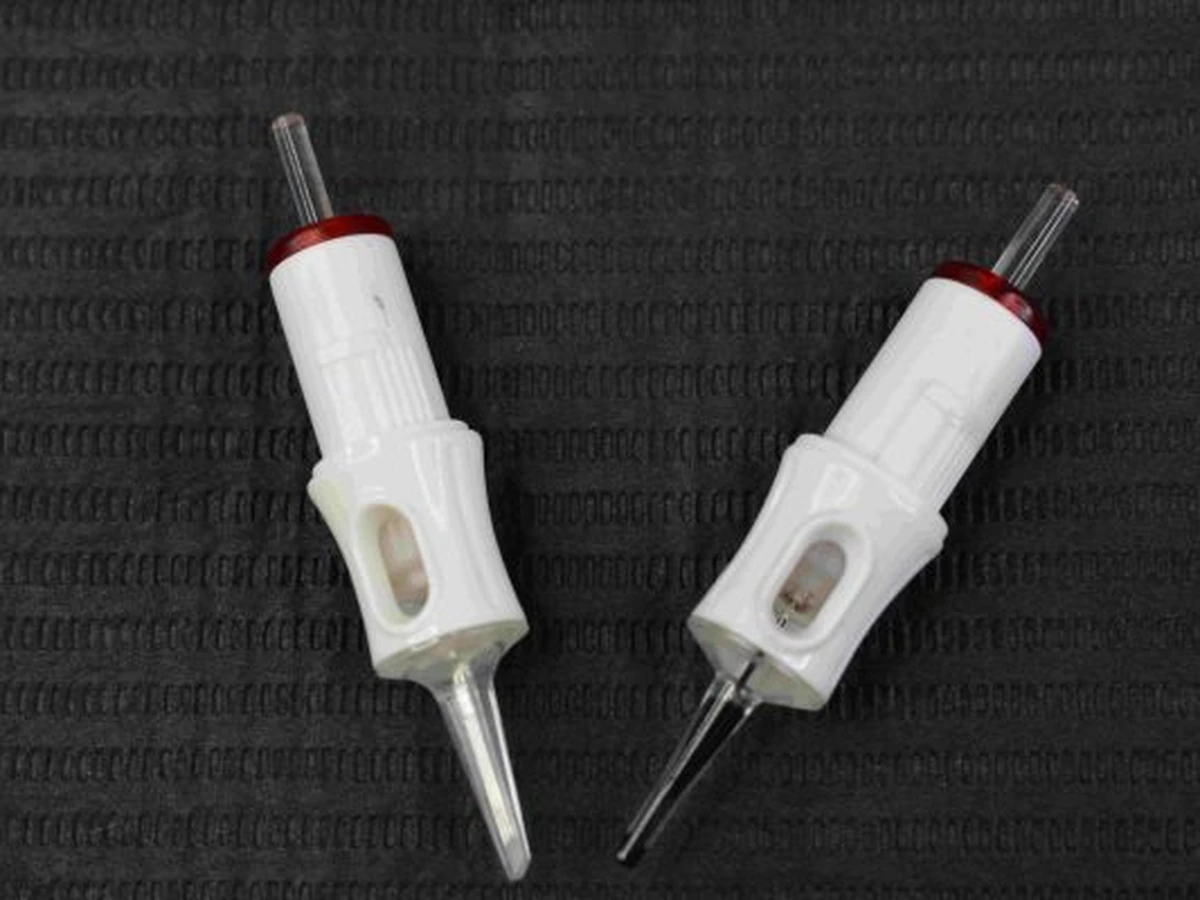
El trabajo con microprocesadores de punto requiere un control de puntos consistente.
Las agujas para micropigmentación capilar tienen un propósito más específico. El comprador debe centrarse en la consistencia de los puntos finos, la agrupación estable, la visibilidad clara de la punta y la liberación controlada del pigmento.
Para líneas de servicio centradas en el cuero cabelludo, Cartuchos de agujas YABA SMP Están diseñados para su uso en micropigmentación capilar y le dan a esta compra una orientación de producto más precisa. Para los estudios que ofrecen micropigmentación capilar, los cartuchos de micropigmentación capilar deben planificarse como un artículo de reposición independiente, en lugar de incluirlos en una lista general de cartuchos para tatuajes.
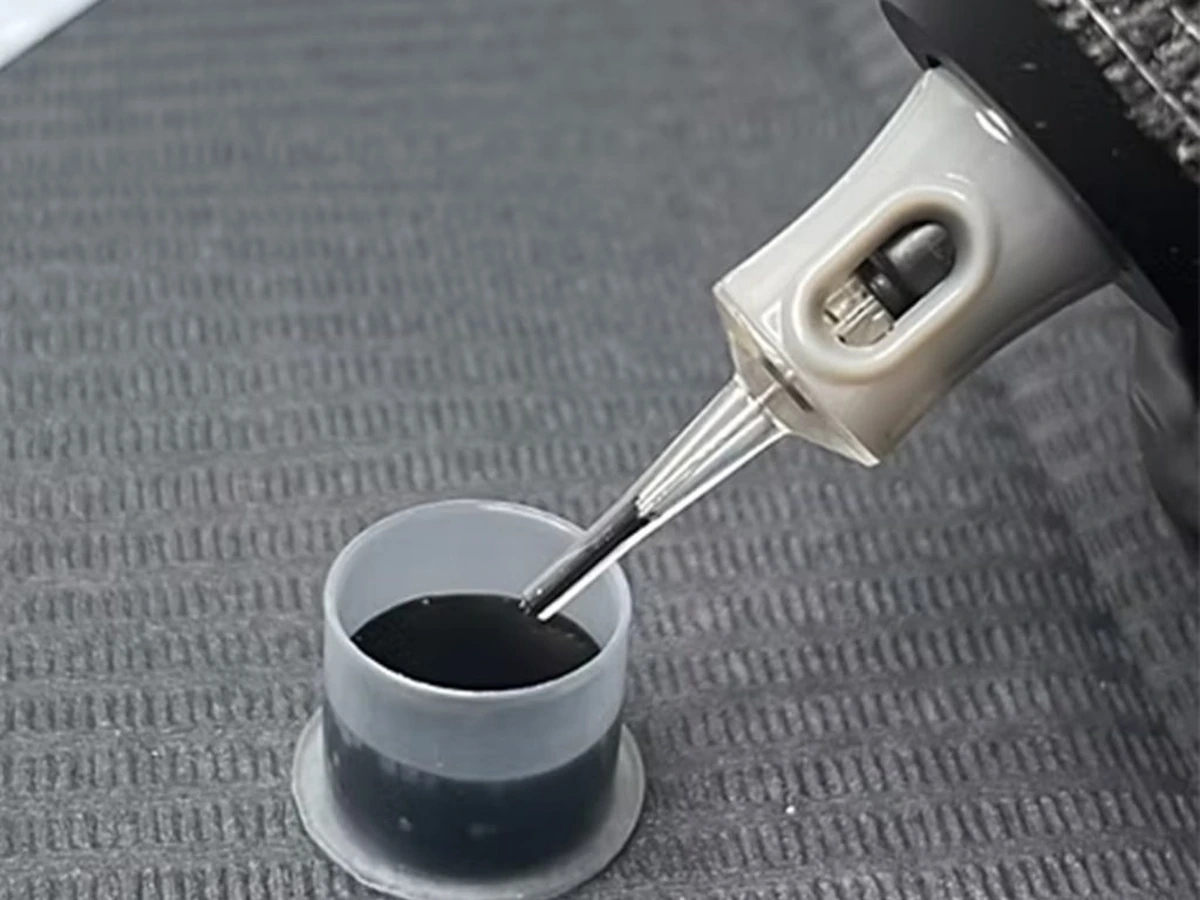
¿Qué deberían probar los estudios antes de confirmar un proveedor?
Aunque las especificaciones parezcan adecuadas, los estudios no deberían realizar pedidos grandes sin antes probar muestras. La sensación al tacto del cartucho depende de la configuración de la máquina, el tipo de pigmento, la velocidad de la mano, los hábitos del artista y el tipo de servicio.
Una prueba útil debería incluir máquinas estándar, iluminación de estudio real, pigmentos comunes y los servicios que el estudio realiza con mayor frecuencia. Los compradores deben verificar la compatibilidad de la máquina, la visibilidad de la boquilla, el flujo del pigmento, la estabilidad después de la instalación, la claridad del empaque y la precisión del pedido por tamaño.
Si varios artistas dan opiniones similares, el comprador puede proceder con mayor confianza. Si las opiniones son variadas, es posible que el estudio necesite elegir cartuchos diferentes para cada tipo de servicio.
El soporte del proveedor también es importante después del primer pedido. Un buen proveedor debería ayudar a confirmar los tamaños disponibles, la cantidad mínima de pedido (MOQ), el embalaje, las opciones OEM y los detalles de los pedidos repetidos. Los estudios y distribuidores pueden Contacta con YABA Tattoo para confirmar la idoneidad de los cartuchos de agujas para tatuajes, los cartuchos de micropigmentación capilar (PMU), los cartuchos de micropigmentación de la membrana capilar (SMP) y los envases de marca propia antes de realizar compras a gran escala.
Conclusión
La elección de cartuchos de agujas para tatuajes en pedidos al por mayor debe comenzar con el flujo de trabajo del estudio. Los compradores deben verificar la agrupación de agujas, el diseño de la membrana, la visibilidad de la punta, la compatibilidad con la máquina, el uso en micropigmentación (PMU), el uso en micropigmentación capilar (SMP), el empaque, la cantidad mínima de pedido (MOQ) y el control de reabastecimiento.
Para trabajos de tatuaje generales, los estudios pueden basar su producción en agujas de cartucho para delineado, sombreado, magnum y magnum curva. En el caso de estudios que ofrecen servicios mixtos, los cartuchos de agujas para micropigmentación y las agujas para micropigmentación capilar deben planificarse como líneas de suministro separadas.
YABA Tattoo ofrece cartuchos para tatuajes, micropigmentación y micropigmentación capilar para estudios y distribuidores. El siguiente paso práctico consiste en probar los tamaños clave, confirmar las necesidades de empaquetado y elaborar una lista de pedidos basada en la demanda real.
Preguntas frecuentes
P1: ¿Qué cartuchos de agujas para tatuar debería pedir primero un estudio que está empezando?
A1: La mayoría de los estudios principiantes comienzan con delineadores redondos comunes, sombreadores redondos, magnums y magnums curvos.
P2: ¿Se pueden pedir los cartuchos de agujas para micropigmentación junto con los cartuchos para tatuajes?
A2: Sí. Los estudios mixtos pueden pedir ambos, pero los tamaños de PMU deben planificarse como una línea de suministro separada.
P3: ¿Qué deben comprobar los compradores antes de pedir agujas para micropigmentación capilar?
A3: Los compradores deben confirmar el control de puntos, las opciones de tamaño, el embalaje de un solo uso, la compatibilidad de agarre, la cantidad mínima de pedido y el suministro recurrente.