The body art scene has shifted dramatically over the past few years. We see fewer massive parlor waiting rooms and more quiet, private studios popping up in neighborhoods. Tiny dots, geometric shapes, and fine lines are everywhere on social media right now, leading thousands of people to try their hand at this creative field. If you want to start putting art on skin, the first big hurdle is picking your equipment. You will look at a catalog and immediately feel lost among the different tattoo machine types available today. People always ask if they should buy a motor-driven pen or stick to manual methods. This single choice shapes your entire journey, dictates your daily practice routine, and completely changes how your artwork looks when it finally heals.
The Core Differences in Application and Style
The choice is never just about the physical item resting in your hand. It is fundamentally about the specific art style you want to put on human skin. Each method creates a distinctly different environment for the artist and the person sitting in the studio chair.
The Mechanics of Motorized Power
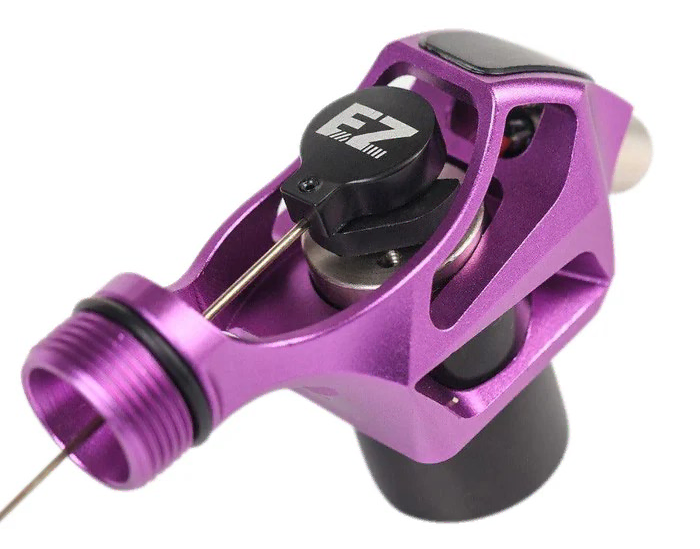
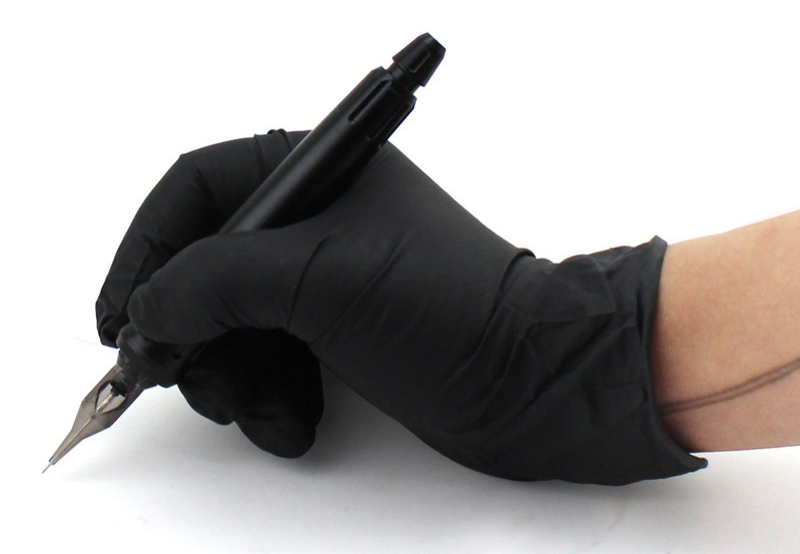
A rotary tattoo machine uses a small electric motor to push the needle up and down. This action happens incredibly fast. Most modern units run anywhere from 7,000 to 9,000 revolutions per minute. That sheer speed allows you to draw smooth, solid lines almost like using a heavy marker on a piece of paper. It is highly efficient for large projects. A rotary tattoo pen takes this mechanical concept a step further by packing that motor into a thick, cylindrical shape. Artists who want to create bold traditional pieces, pack deep black ink, or work on large back pieces usually lean this way. The weight distribution sits right in the center of your hand. If you want a smooth, reliable motor, the EZ Tattoo Astral Rotary Tattoo Machine provides solid power for consistent shading without feeling too heavy after three hours of continuous work. You do not have to press hard; the motor does the heavy lifting for you.
The Traditional Approach of Manual Ink
On the other side of the spectrum, we have the oldest method in the world. A hand poke tool relies entirely on your own physical hand movement. There are no cables holding you back, no foot pedals to step on, and absolutely no buzzing sounds in the room. You push the ink into the skin one single dot at a time. While a motor might puncture the skin 100 times a second, a human hand might manage one or two deliberate pokes in that same second. This slow, intentional pace is perfect for delicate dots, geometric patterns, and tiny finger designs. A stick and poke piece has a unique, slightly raw texture that many clients specifically request for its organic look. For those looking for a solid starting point, the Yaba Aluminum Hand Poke Pen gives you a comfortable grip and balanced weight that plain wooden sticks completely lack. It holds the needle securely, preventing annoying slips.
Evaluating Your Skill Level and Goals
Finding the right starting point depends heavily on your current drawing background and daily habits. It is absolutely vital to assess how much time you can actually dedicate to practice before you spend hundreds of dollars on a full equipment kit. Learning curves vary wildly between different devices, so honesty about your commitment is crucial.
Starting Simple Without Motors
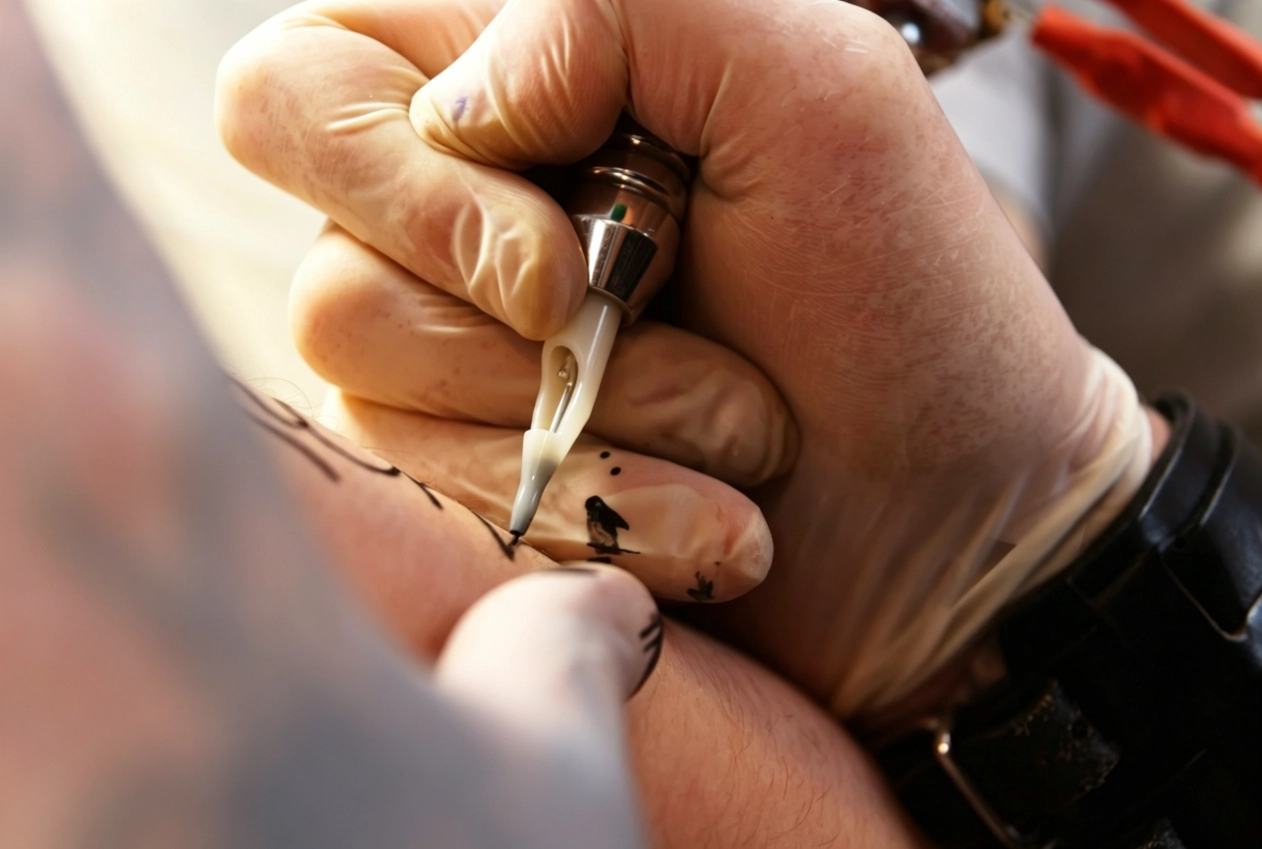
Many successful artists start their careers without ever touching a power supply. Doing a hand poke tattoo teaches you the fundamental mechanics of skin depth in a very forgiving way. You literally have to feel the slight pop as the needle enters the correct 1.5mm layer of the dermis. Because everything happens so slowly, you have plenty of time to catch a depth mistake before it becomes a permanent, ugly blowout. This slow feedback loop is exactly why manual items rank so highly among beginner tattoo tools. You focus purely on the angle of your hand and the depth of the needle. You do not have to fight the aggressive, constant vibration of an electric motor. You also do not have to worry about moving your hand too slowly and accidentally chewing up the client’s skin. It is a peaceful way to learn the basics of hygiene without the stress of a fast-moving blade.
Stepping Up to Faster Speeds
Eventually, manual dots might feel too limiting if your clients start asking for large realism portraits or thick, bold outlines. Transitioning to a motorized unit requires a completely different type of muscle memory. You have to match your physical hand speed with the running voltage of the motor. Moving your hand too fast leaves weak, broken lines that will fade in a month. Moving too slowly causes the needle to hit the exact same spot too many times, creating deep scabs and painful healing. Most apprentices spend 50 to 100 hours just drawing basic lines on 3mm thick silicone practice skins before ever trying a motorized unit on human skin. When you feel ready to explore these faster options, browsing a wide range of tattoo machines can help you compare different stroke lengths. A 3.5mm stroke is generally a great middle ground for those transitioning from manual work to motorized shading.
Pain Levels and the Recovery Phase
The people receiving the ink will always ask you how much the session is going to hurt. The way ink enters the skin completely changes how the body reacts, affecting both the immediate physical sensation and the weeks that follow. Knowing these differences helps you guide your clients through their anxiety and sets proper expectations for their recovery period.
- Motorized Impact: Because a motor punches the skin thousands of times a minute, the human brain registers it as a continuous burning or hot scratching sensation. It causes significant trauma to the surrounding tissue. A standard machine piece usually takes about 14 to 21 days to fully heal and peel. During the first 48 hours, the area will likely weep plasma and excess ink.
- Manual Impact: Hand poking is far less aggressive on the body. Clients often say it feels like individual, slightly annoying pinpricks rather than a constant, burning scrape. Because the skin suffers far less blunt trauma, there is minimal swelling and almost no redness around the lines. A manual piece can sometimes heal completely in just 7 to 10 days with very light peeling.
- Location Matters: Regardless of the tool, areas with thin skin over bone, like the ribs or the top of the foot, will always hurt more. However, clients often find manual methods much more tolerable on these painful spots because there is no bone-rattling vibration.
Maintenance, Budget, and Workspace
Budget plays a massive role for anyone just starting their artistic journey. Beyond the initial purchase price, you have to think deeply about the long-term running costs of needles, hygiene covers, and general equipment upkeep over the next few years. A cheap initial purchase can sometimes lead to expensive daily maintenance if you do not plan ahead.
Keeping Manual Gear Clean
The beauty of manual gear is its extreme simplicity and low cost. An aluminum holder can be fully wiped down with hospital-grade disinfectants, wrapped thoroughly with barrier tape, and it is ready to go. There are absolutely no moving parts to oil inside. There are no tiny springs to replace when they wear out. Your primary ongoing cost is just the sterilized needle cartridges and the bottles of ink. An initial package for manual work might only cost you $30 to $50. You can easily fit your entire work kit into a small pencil case. This tiny physical footprint makes it ideal for doing guest spots at other studios or traveling. You spend less time dealing with wires and more time actually drawing on your client.
Managing a Complete Station
A motorized workspace requires a much larger footprint on your desk and a bigger wallet. You need the device itself, a reliable digital power supply, and a heavy-duty RCA cable. A decent starter kit will cost anywhere from $150 to well over $500. Every single piece that has a wire needs to be carefully covered in plastic sleeves to prevent cross-contamination. If the motor fails after 800 hours of heavy use, you have to send it out for repair or buy a full replacement. Furthermore, it takes about 15 to 20 minutes just to properly wrap and prepare a motorized station before the client even walks into the room. You also have to factor in the cost of wireless battery packs if you want to eliminate the annoying cables on the floor.
Conclusion
Deciding between these two paths ultimately comes down to the art you want to create and the time you have to learn. Manual methods offer a peaceful, low-cost entry into body art, teaching you patience and precise skin depth control without high stakes. On the flip side, motorized devices require a steeper learning curve and a larger initial budget, but they reward you with the ability to create massive, complex pieces in a fraction of the time. Many working professionals actually keep both options readily available in their studios to handle different client requests. Start with the method that excites you the most. If you need help building your first kit or choosing the right needles, contact Yaba today for personalized recommendations.
FAQs
Q: Which of the tattoo machine types is best for me?
A: It depends on your art style. Manual tools suit simple dots, while motors handle large, bold pieces easily.
Q: Does a stick and poke hurt more than a motor?
A: Usually, no. A hand poke tattoo causes less trauma, feeling like individual pinpricks rather than a continuous scratch.
Q: Should I buy a rotary tattoo pen right away?
A: Yes, it is heavily favored among beginner tattoo tools because its shape feels exactly like holding a marker.