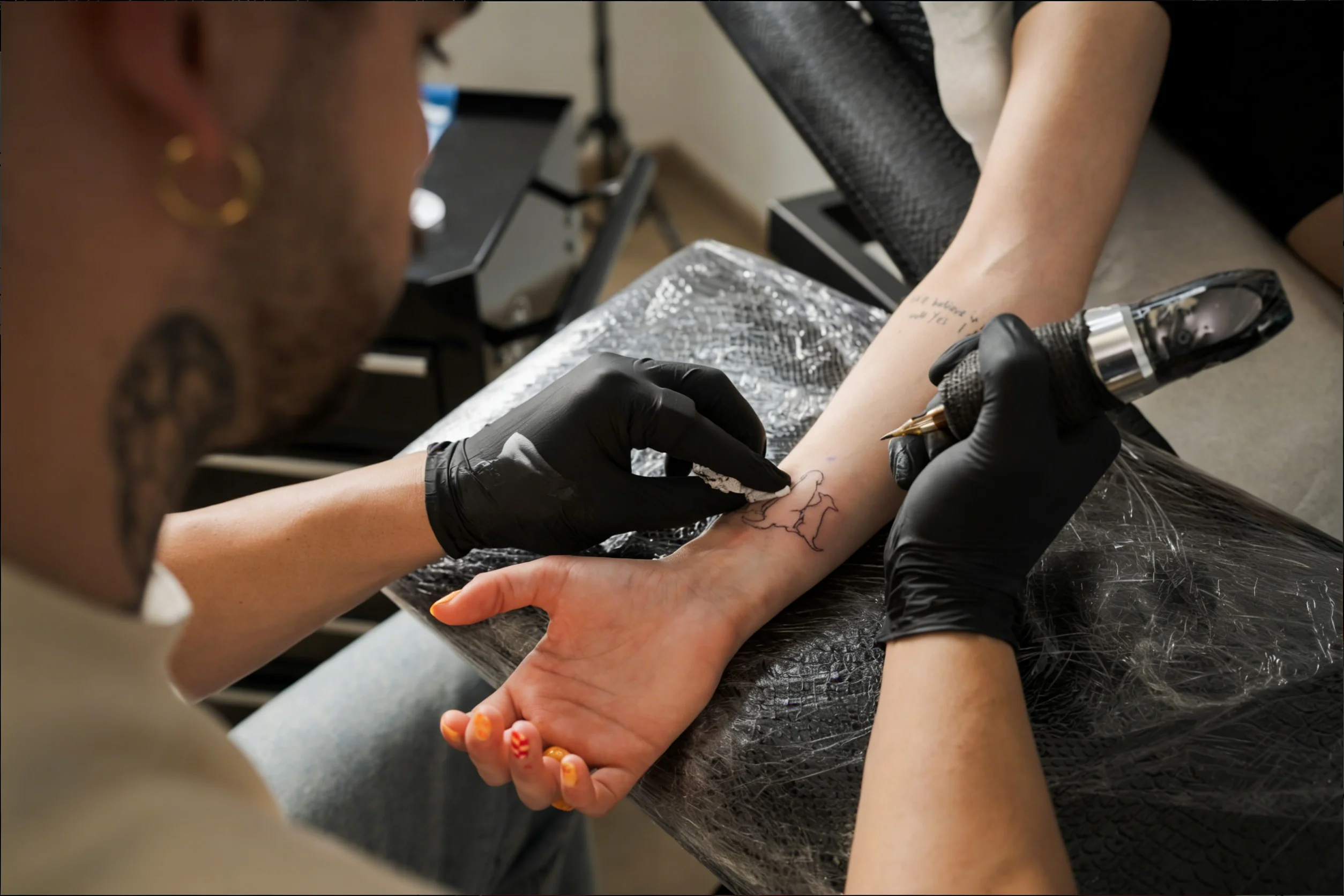
If you have taken any moment browsing beauty styles on Instagram or TikTok recently, you likely noticed those captivating clips of “Nano Brows” or “Machine Hairstrokes.” For many years, hand-held microblading held the top position in the permanent makeup field. It served as the main technique for forming those sharp, hair-resembling lines that people desired. However, things are changing now. Skilled PMU professionals are setting aside their hand tools and reaching for a far more advanced option: the wireless tattoo pen. This change goes beyond a temporary trend; it marks a basic shift in our methods for skin care, color holding, and creator ease.
The cosmetics sector is experiencing a major tech improvement these days. Microblading depends on a manual device to cut the skin directly. In contrast, current machine methods employ a quick-acting needle to place color through small punctures. This progress stems from the demand for steadier outcomes and reduced harm to the customer’s skin. As the equipment grows more precise, discussions have shifted from “which tool works best” to “what serves as the perfect tattoo stroke length for a gentle brow?” This overview explains the reasons behind this move and why your upcoming professional step should include a tech-based improvement.
The Evolution from Manual Blades to Digital Precision
Manual microblading, while beautiful when done correctly, has a steep learning curve and a high risk of error. Because the artist has to manually control the depth and pressure of the slice, one heavy-handed stroke can lead to scarring or “cool” tones as the ink goes too deep. The introduction of the rotary tattoo machine into the PMU space changed the game by automating the “depth” factor. Instead of a long cut, you get thousands of tiny dots that form a line, which is far more forgiving on the skin’s delicate layers.
Reducing Skin Trauma with Consistent Power
One of the biggest complaints about traditional microblading is the “cutting” sound and sensation, which can be quite stressful for clients. A machine, particularly a high-end rotary tattoo machine, works at a much higher frequency, making the process faster and significantly less painful. Because the needle moves in and out of the skin thousands of times per minute, the skin heals much faster. In fact, many artists report that machine-shaded brows heal about 30% faster than manual microbladed ones.
Furthermore, the consistency of a machine ensures that the pigment is placed at the exact same depth every single time. When you work manually, your hand gets tired, and your pressure might change halfway through the procedure. A machine doesn’t get tired. Using a tool like the PMU Tattoo Lola Air allows for that “airy” look that is so popular right now. The results are softer, more natural, and much easier to maintain over the years without the risk of building up tough scar tissue.
Higher Retention Rates and Better Aging
Pigment retention is the “holy grail” of permanent makeup. We have all seen microblading that looks great on day one but turns into a blurry mess or disappears completely after six months. Machine work tends to age better because it creates a “stippling” effect rather than a continuous cut. This allows the skin’s natural regeneration process to hold onto the pigment more effectively. Clients are noticing that their “Nano Brows” stay crisp and clear for 18 to 24 months, compared to the 12 months often seen with manual methods.
The Freedom of Movement Provided by a Wireless Tattoo Pen
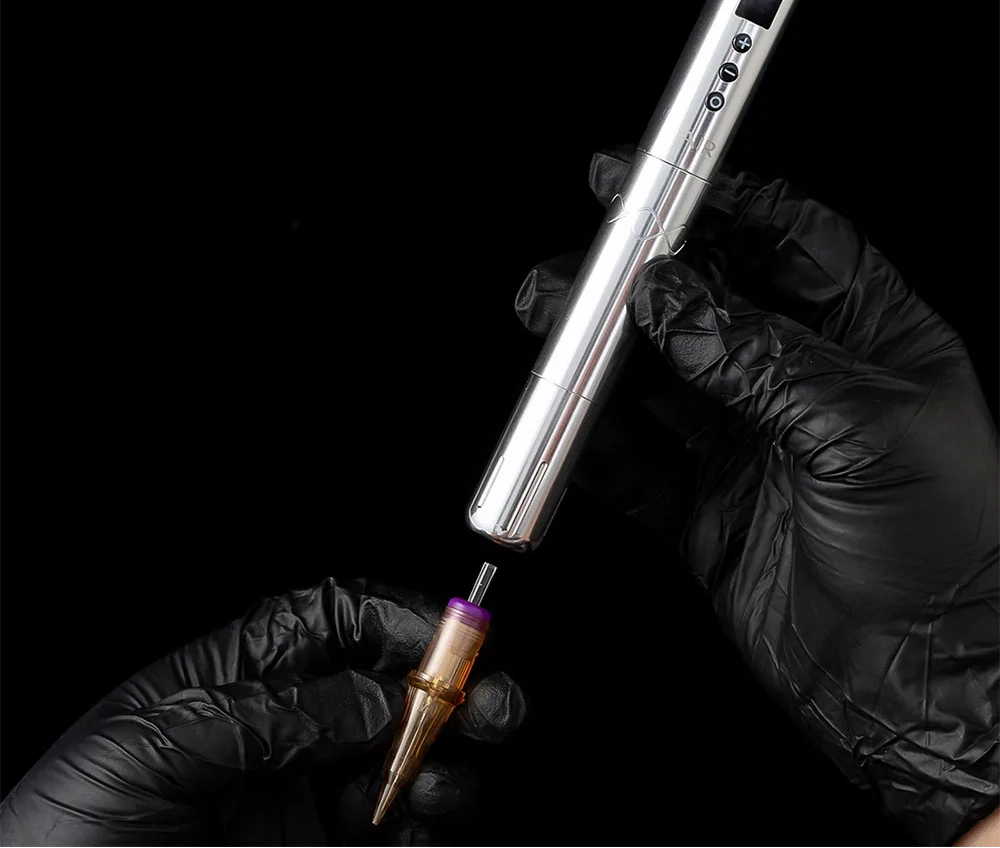
In the past, using a machine meant being tethered to a bulky power supply on your tray. You had a clip cord hanging off the back of your machine, which could drag on the client’s face or get in the way of your lighting. The wireless tattoo pen has completely removed these barriers. Now, the battery is integrated into the pen itself, giving you 360 degrees of freedom. This is not just about convenience; it is about ergonomics and precision.
Why Cords are a Barrier to Artistry
A corded setup limits your angles. When you are trying to get that perfect “tail” on a brow, you often have to contort your body to keep the cord from touching the client. With a wireless tattoo pen, you can move around the headrest with ease. It feels like you are holding a high-quality drawing pen rather than a piece of industrial equipment. This level of comfort translates directly into the quality of your work—cleaner lines and smoother shading.
For individuals newly transitioning, the Lola Air Wireless Battery Pen emerges as a top pick. It weighs very little and includes three power units. Thus, you avoid stopping a procedure for recharging. With spare energy on hand, you concentrate fully on the creation and not the device. It embodies a “worry-free” workspace.
Mastering the Technical Side: Stroke Length and Speed
As you move away from manual tools, you have to learn about the “heartbeat” of your machine: the stroke. The tattoo stroke length determines how hard the needle hits and how much “give” the machine has. In the PMU world, we generally prefer shorter strokes (around 2.0mm to 3.0mm) because we are working on thin facial skin. If the stroke is too long, like the 4.0mm used for traditional body tattoos, it can be too aggressive for a brow or a lip.
Understanding these technicalities is what separates a master artist from a novice. You need to know how to adjust your voltage (speed) in relation to your hand movement. If you move your hand slowly, you need a lower voltage. If you are doing fast “whip shading,” you might bump it up. This balance is much easier to achieve with a modern digital display where you can see your exact settings at a glance.
Finding the Right Tattoo Stroke Length for Sensitive Skin
For typical PMU tasks, a stroke from 2.5mm to 3.0mm hits the “ideal range.” It delivers sufficient force to insert the color without major puffiness. On very fine, aged skin, you might lower it to 2.0mm. Selecting a device that supports such adjustments remains essential. It concerns a soft approach that yields enduring effects.
If seeking a unit for both careful PMU and somewhat stronger tasks, an adjustable stroke machine like the Inkone Professional Pen makes a solid choice. You can turn a knob to alter the stroke during use. This lets you apply one level for mild brow blending and another for sharp lip outline, all with the same tool.
Selecting the Best Beginner Machine for PMU Careers
If you are a student or a manual artist looking to upgrade, the sheer number of options can be dizzying. What makes the best beginner machine? It isn’t just about the price tag. It is about how the machine handles. You want something with low vibration and a quiet motor. High vibration can make your hand go numb and lead to shaky lines. A quiet machine keeps the client relaxed, which is essential for a high-end service environment.
Why an Adjustable Stroke Machine is a Long-Term Investment
As you grow in your career, your style will change. You might start with brows and eventually move into scalp micropigmentation or areola reconstruction. This is why an adjustable stroke machine is such a smart move. Instead of buying a new machine every time you want to learn a new technique, you just adjust the tool you already have. It saves you money in the long run and ensures you are always using a tool you are already comfortable with.
The Flux Max Tattoo Machine Set is a great example of a professional-grade tool that offers this kind of flexibility. While it is powerful enough for traditional tattoos, its precision makes it a favorite among high-level PMU artists who want a bit more “punch” for their work. Having that extra power in reserve is great for when you encounter tougher skin types.
Perfecting Your Tattoo Machine Setup and Hygiene
Switching to a machine also means upgrading your hygiene and preparation game. A proper tattoo machine setup for PMU is much more involved than just opening a fresh blade. You need to consider barrier films, cord covers (if you aren’t wireless), and high-quality needle cartridges. The needles you choose are just as important as the machine. They need to be medical-grade and have a safety membrane to prevent cross-contamination.
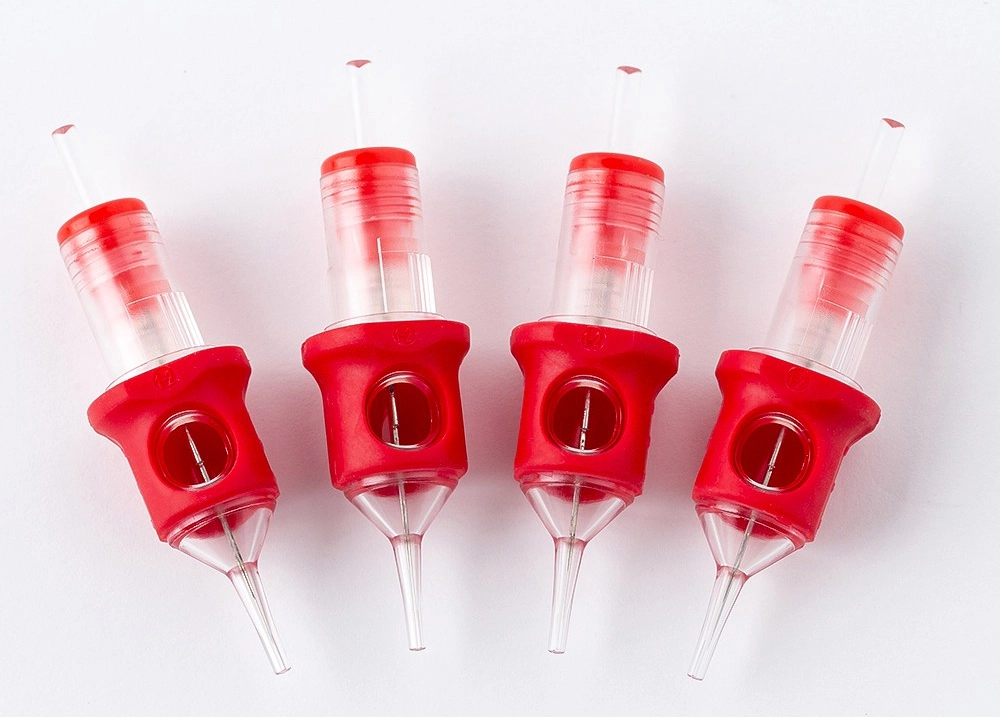
Using Diamond PMU Needle Cartridges is a great way to ensure quality. These needles are designed for the delicate work required in facial tattooing. They have a stable housing that prevents the needle from wobbling, which is crucial when you are trying to create a hair-stroke that is only a fraction of a millimeter wide.
- Always use a new needle:Never reuse cartridges, even on the same client in a different session.
- Wrap your machine:Even wireless pens should be wrapped in plastic to keep them sterile.
- Practice on silicone:Use A4 Silicone Fake Skin to get your depth right before working on a person.
- Use a stencil printer:A Wireless Stencil Printer ensures your brow map is perfect before you even start the machine.
Conclusion
The move from hand microblading to wireless tattoo pen tech benefits creators and customers alike. Professionals gain improved body support, greater range, and a smoother process. Customers enjoy quicker recovery, reduced discomfort, and brows that endure longer with fine looks. Though microblading retains historical value, the path forward lies in digital means. By choosing a quality rotary tattoo machine and grasping the details of tattoo stroke length, you place yourself ahead in the cosmetics world. The top creators keep learning and updating their equipment. Whether seeking your best beginner machine or a pro adjustable system, suitable tools await.
If you’re looking for high-quality supplies to upgrade your studio, or if you need to order products in bulk for your academy, please feel free to contact us. Yaba‘s experts will help you complete your transformation smoothly, ensuring you have the best tools in the industry.
FAQs
Q: Is a wireless tattoo pen harder to learn than manual microblading?
A: No, most find that a wireless tattoo pen is actually more intuitive once you master the basic tattoo machine setup.
Q: Can I use any rotary tattoo machine for eyebrows?
A: While possible, you should choose one with a shorter tattoo stroke length (2.5mm-3.0mm) specifically designed for delicate skin.
Q: What is the best beginner machine for someone moving from manual work?
A: A lightweight wireless tattoo pen with low vibration is the best beginner machine to help you transition smoothly.