Tattooing has moved beyond just subcultures. It now stands as a popular way for people to show their personal style and imagination. More folks are getting into tattooing as a fun activity or a serious job. Because of this, the need for easy-to-get training and good gear has shot up fast.
A lot of first-timers jump straight to working on actual skin. They skip learning the fundamentals. This often causes mistakes that can’t be undone. So, it’s key to take a step-by-step path. Begin with the proper tools and methods. This builds both your creative and practical skills in a safe, smart way.
Importance of Starting with the Right Knowledge and Tools
When you select a tattoo kit carefully, it shapes all your future work. From keeping your area spotless to drawing sharp lines, every part of tattooing improves with a firm base. You see, solid basics make the whole process smoother and more rewarding from the start.
What Should You Look for in a Beginner Tattoo Kit?
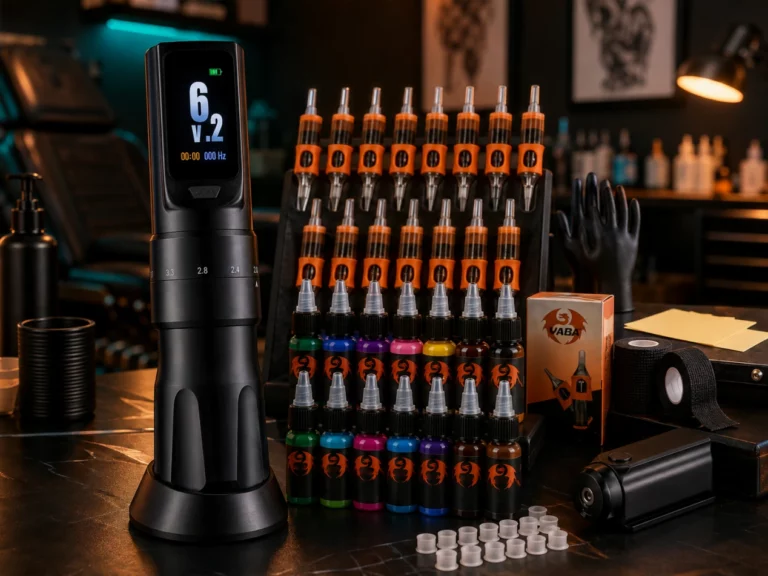
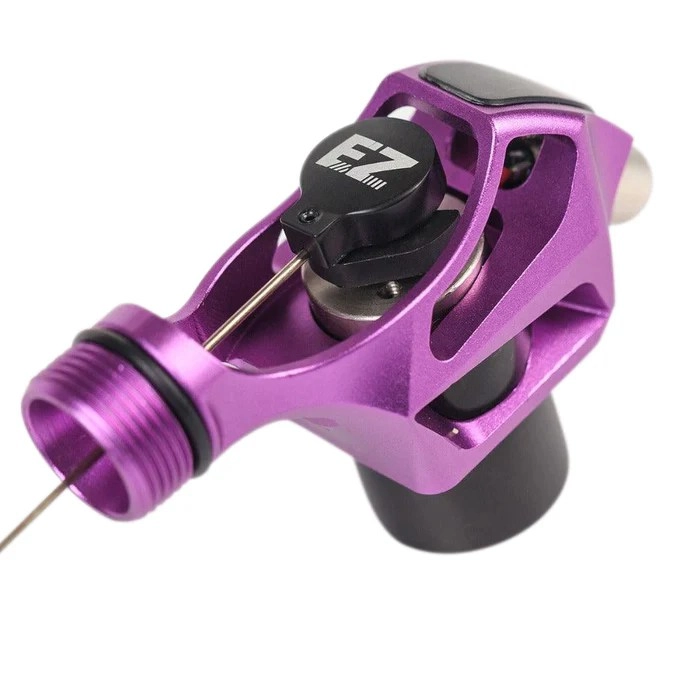
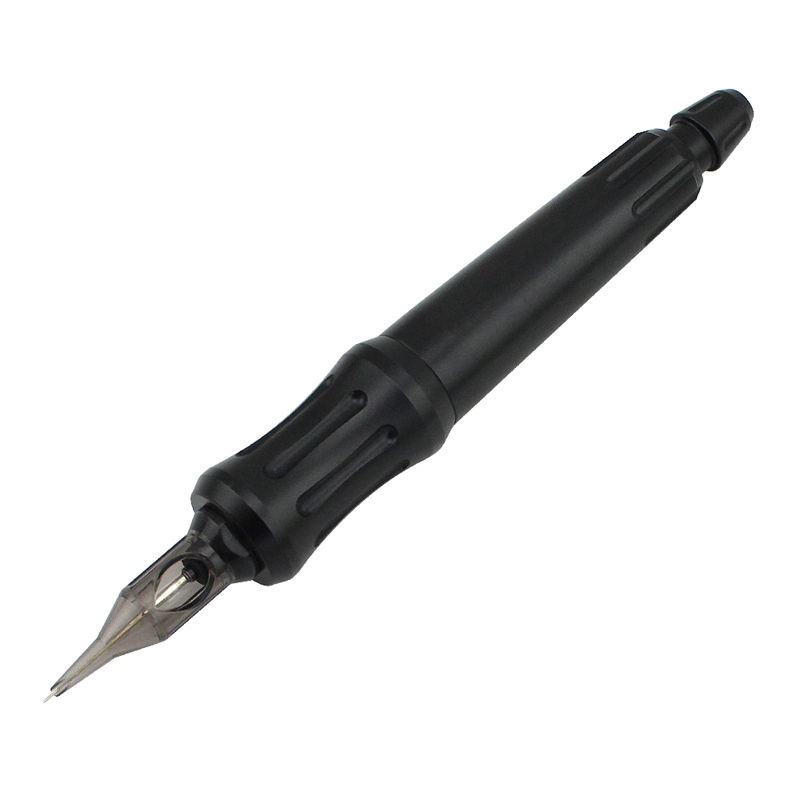
A good tattoo kit needs a tattoo machine, which could be rotary or coil type. These parts make up the main working system of your setup, and they ensure everything runs without hitches. You also need needle cartridges for lining and shading tasks. These let you try out different styles right away. If you’re not set for real skin yet, practice skins give a close feel to actual textures.
How Do You Balance Affordability With Quality?
It’s easy to grab the lowest-priced kit out there. However, cheap parts usually wear out quickly or miss the mark on accuracy. Spending a bit more on average kits brings better results, built-in safety, and gear that lasts. Reputable sellers often include guarantees or help when things go wrong, which proves useful for fixing problems as you go. For instance, cordless machines with solid battery power and comfy grips cut down on tiredness during extended drills.
Why Is Hygiene Non-Negotiable From the Very Beginning?
In every tattoo effort, be it on fake skin or actual people, you have to stick to tough cleanliness rules. Put on fresh disposable gloves each time. Use needles that have been sterilized in cartridges. Wipe down all surfaces with strong medical cleaners before and after you work. To avoid spreading germs, toss out used stuff like ink holders and needles right away. Even when you’re just drilling on practice materials, act like it’s a real job in a shop. This builds the right routines deep into your habits from the early days onward.
Which Unsafe Habits Could Put You or Others at Risk?
Some starters reuse needle parts to cut costs, but that’s a huge danger and can lead to sickness spreading fast. Not prepping skin well or ignoring care after the fact also harms recovery and how the ink holds. Such errors might cause marks, ink spreads, or bugs in the body, yet all of them can be stopped with the correct steps. By steering clear of these pitfalls, you protect everyone involved and set yourself up for cleaner, better outcomes every single time you practice or work.
How Do You Build Skill Before Touching Real Skin?
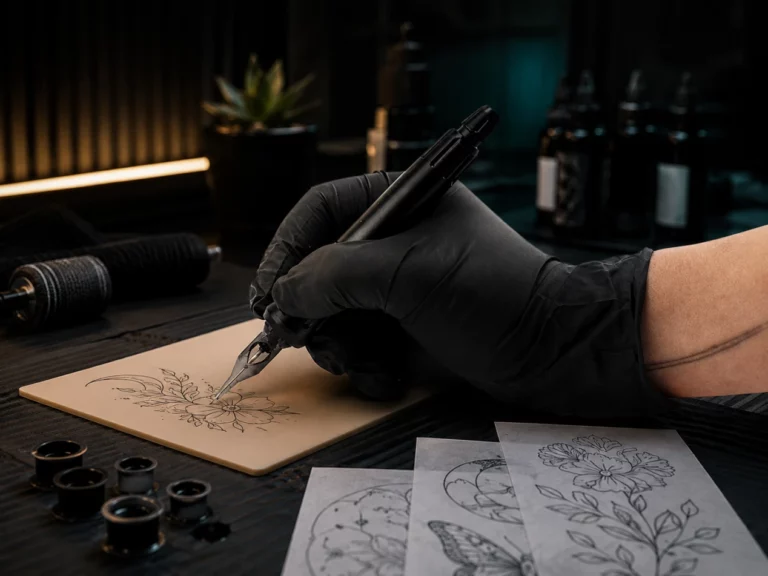
Fake skin made from synthetics serves as your best safe spot to train. The YABA Tattoo A4 0.3MM Silicone Fake Skin for a tattoo beginner gives a true-to-life feel that copies how real skin stretches. With it, you can work on steady lines and smooth shade shifts without any danger at all. This material lets you go over exercises as many times as you want. As a result, you sharpen your hand control and gain assurance before moving to live subjects.
Which Techniques Should You Master First?
Kick off with basic lines. Keep your hand moving at a steady pace and watch how much you press the needle. This creates even marks across your work. Begin with straight paths, then ease into bends or tougher patterns once you’re solid.
After that, tackle shading. Learn to mix tones by changing your speed and swapping needle setups. Finally, nail the depth of your needle entry. If you push too hard, you risk serious damage; if it’s too light, the work fades quickly. Getting this exact is vital for looks and keeping things safe, so spend time fine-tuning it through repeated tries.
What Errors Should Beginners Avoid at All Costs?
Going over one spot too many times hurts the surface badly. It can leave scars or make ink shift where it shouldn’t. New folks often linger too much to correct slip-ups, rather than building good form upfront.
Why Should You Start With Simpler Designs?
Complex tattoos need fine command of line thickness, layout, and shade layers, which come with practice over months or years. Basic shapes let you zero in on the doing without the stress of too many details. Pick easy icons or plain forms at first. As your skills steady up, step into fancier pieces gradually. This builds a strong path from simple to advanced, keeping frustration low and success high.
How Does Skin Type Affect Technique?
Different skins change based on age, feel, thickness, and how oily they are. Each kind asks for its own method; for example, thin areas need a softer touch, while greasy ones might push ink away more. Train on various fake skins to match these real-world differences before you handle people.
How Can You Cultivate a Professional Attitude Early?
A pro mindset starts well before any customer shows up. Handle each drill, on fake or friendly skin, like it’s a booked slot with pay on the line. Show up on time, prep your space neatly, and treat your gear with care. This habit from day one creates the respect and reliability that clients notice later.
How Does Self-Evaluation Accelerate Improvement?
Add details like the needles you picked, power levels, and any tough spots you hit while doing it. Pair this with a notebook where you jot down wins and weak points. Such a combo tracks your growth clearly and highlights patterns that beg for fixes. Over time, this method speeds up your gains by showing exactly where to focus next, making every session count more.
Where Can Beginners Find Reliable Tattoo Accessories?
For gear that pros trust but new users can handle easily, Yaba Tattoo Equipment Manufactory is a great choice to begin. Founded back in 2009, they focus on tattoo machines and PMU tools. They’re famous for careful build quality aimed at artists from novice to expert. Their edge goes beyond solid products. It’s their drive for custom options and OEM help, which lets creators build their own lines with ease. This support turns beginners into confident pros, backed by reliable sources every step of the way.
Which Tools Are Ideal for Those Just Starting Out?
To avoid tangled wires during long runs, the LOLA AIR Wireless Battery PMU Pen Machine (2 Batteries) gives a lightweight and easy hold, with three batteries that last up to 6 hours each swap. When it comes to sharp lines or shade practice, Diamond PMU Needle Cartridges use top stainless steel for even ink delivery and proven edge sharpness that artists love.
Team these with Ball Point Cartridge Tools for clean dot patterns without extra mess, plus the Wireless Bluetooth Tattoo Stencil Printer to move designs straight from your phone. Such picks let starters grow skills with trust, matching pro levels right from the first use, and they keep your workflow smooth as you advance.
FAQ
Q1: What is the difference between coil and rotary tattoo machines for beginners?
A1: Coil machines use electromagnetic currents to move the needle while rotary machines use a motor-driven mechanism; rotary machines tend to be quieter, lighter, and more beginner-friendly due to smoother operation.
Q2: How often should I change my needle cartridges during practice?
A2: Always use a new cartridge per session or design pass-through; never reuse cartridges between clients or sessions to maintain hygiene standards.
Q3: Can I start tattooing directly on human skin after buying a kit?
A3: No—it’s critical to first train extensively on silicone practice skins until you achieve consistent line work, shading control, and sterile procedures before transitioning to human clients under supervision if possible.