Choosing the right tattoo stroke length is the first real hurdle every artist faces. It dictates how hard the needle hits and how fast it moves back and forth. For someone just starting out, the choice between a dedicated liner or a soft shader can feel overwhelming. Should you go for a “one size fits all” approach, or do you need a specific tool for every task? Let’s break down the mechanics of stroke length so you can make an informed decision and start your career with confidence.
Why Stroke Length Dictates Everything You Do
Before exploring exact measurements, let us discuss what truly occurs within your gear. The stroke refers to the distance the needle bar covers from its top position to its bottom one. You can picture it as the “arc” of a mallet. A brief arc works well for gently adding fine details. On the other hand, a wide, forceful arc proves essential for embedding a fastener into dense material. In tattooing, the “fastener” represents the pigment, and the “material” signifies human flesh.
Choosing a rotary tattoo machine goes beyond simply checking the engine or the handle size. You must consider the principles of motion affecting the needle’s contact with the flesh. Newcomers frequently ignore this aspect. They assume they can tweak the power supply to resolve all issues. Voltage does manage the pace, yet the stroke governs the force and the penetration depth. Moving from simple understanding to skilled control begins with pinpointing the suitable range for your present abilities and the particular approach you aim to develop.
The Short Stroke (1.8mm to 2.5mm) for Soft Effects
A brief stroke often serves as the preferred selection for PMU (Permanent Makeup) specialists and those focusing on gentle black and grey blending. Since the needle covers only a small path, it contacts the flesh with reduced power. This setup suits gradually layering hues without damaging the flesh. It offers a “secure” range for sensitive spots like brows or mouths, where the flesh tends to be thinner compared to areas on an arm or leg.
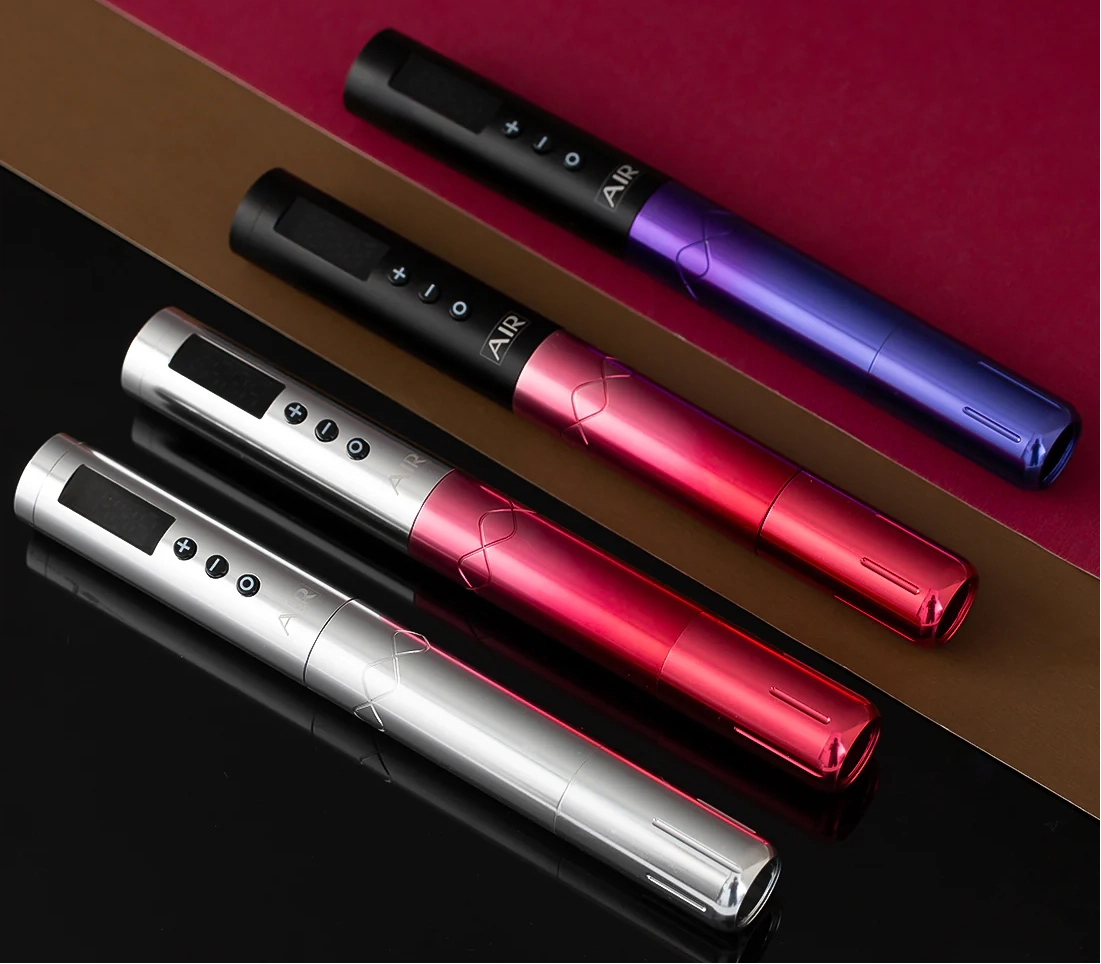
If your goal is to master the art of “lip blushing” or subtle brow shading, a machine like the PMU Tattoo Lola Air is a game-changer. It’s designed to be gentle. When you’re working on a face, you don’t want a heavy hit. You want a soft, consistent vibration that allows the pigment to sit perfectly in the upper layers of the dermis. This range is all about control and precision rather than raw power.
The Long Stroke (4.0mm and above) for Bold Lines
On the flip side, we have the “heavy hitters.” A long stroke, usually anything 4.0mm or higher, is meant for bold lining and packing in solid color. The needle stays out of the tube longer, giving it more momentum when it strikes. This is exactly what you need for traditional American style tattoos where the lines need to be crisp, dark, and permanent in one single pass.
For beginners, a long stroke can be a bit intimidating. If your hand moves too slowly while using a high-stroke machine, you risk cutting the skin or causing “blowouts” where the ink spreads under the skin like a bruise. However, for those who want to do serious body art, the Rampage Direct Drive Wireless Machine with its 4.0-4.5mm stroke is a beast. It’s built for artists who aren’t afraid to go bold and need a machine that can handle large needle groupings without bogging down.
Finding the Best Beginner Machine for Versatility
Most people starting out don’t want to buy three different machines. They want one reliable tool that can do a bit of everything. This is where the 3.5mm stroke comes in. In the industry, we call this the “medium stroke” or the “all-rounder.” It’s long enough to push a decent line but short enough to do some smooth shading if you adjust your hand speed and voltage. It’s the perfect middle ground for someone still figuring out their personal style.
When you are looking for the best beginner machine, you should prioritize balance. A machine that is too specialized will limit your learning. You want something that feels natural in your hand and doesn’t vibrate so much that your fingers go numb after an hour. The modern market has shifted heavily toward the wireless tattoo pen format because it removes the literal “tangle” of cords, letting you focus entirely on your needle depth and hand movement.
The Rise of the Adjustable Stroke Machine
If you’re someone who hates being boxed into one category, there is a better way. Technology has finally caught up with our needs. Instead of choosing between a liner or a shader, you can now get an adjustable stroke machine. This type of device allows you to click a dial and change the stroke from 2.4mm all the way up to 4.2mm. It’s like having four machines in one.
Take the Inkone Adjustable Stroke Wireless Pen as an example. For a beginner, this is perhaps the smartest investment you can make. You can start your session at 4.0mm to get your outlines done, then click it down to 3.0mm to finish the soft shading inside. It grows with you. As your skills improve, you’ll start to feel the difference in how the needle interacts with the skin at different settings, which is a vital part of your education as an artist.
Why Wireless is the New Standard for Newbies
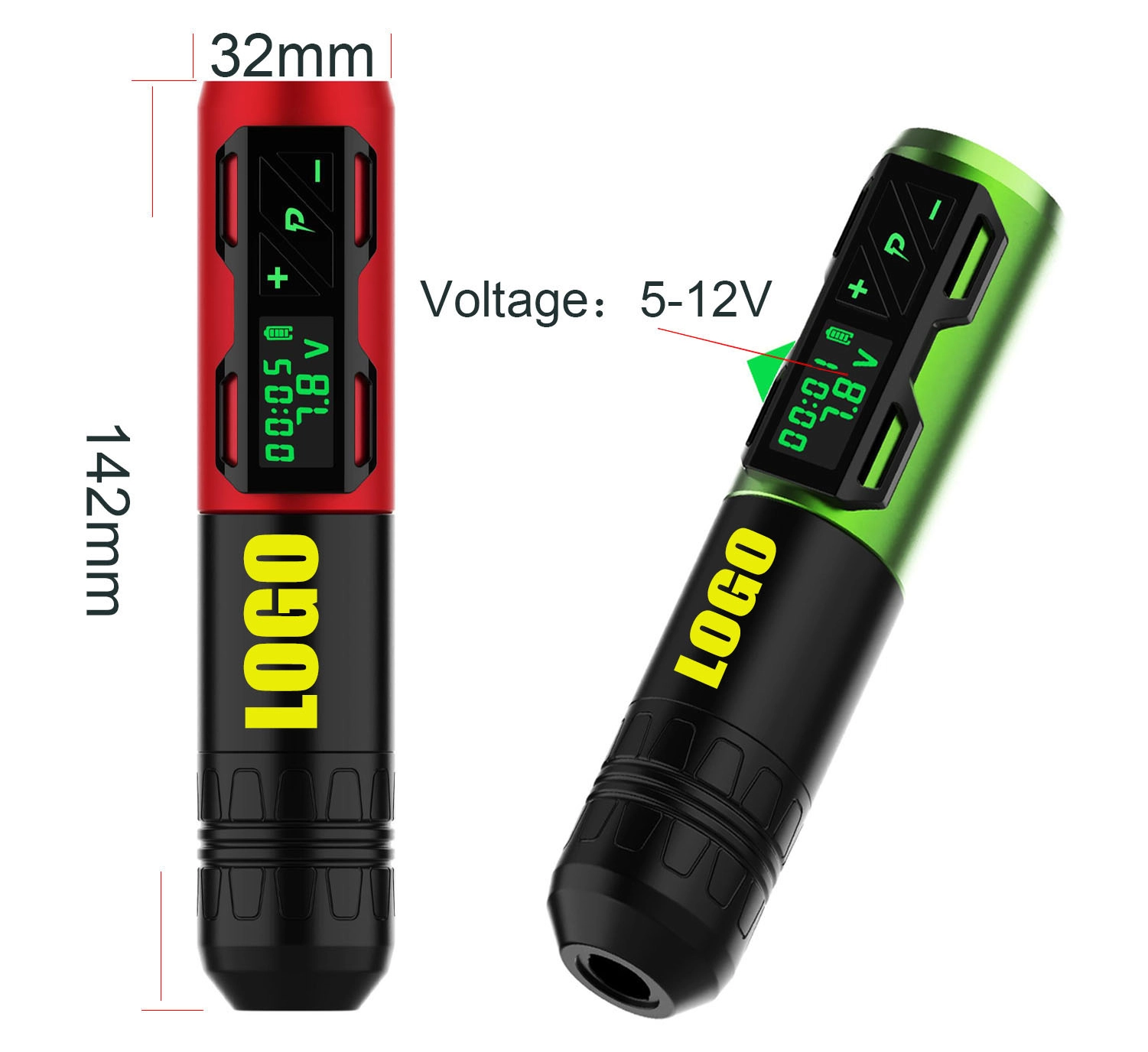
Let’s be honest: cables are a pain. They get in the way, they require plastic sleeves for hygiene, and they pull on the back of your machine, changing the balance. A wireless tattoo pen solves all of these problems. It puts the battery right on top of the machine. This might make it slightly heavier, but the freedom of movement is worth it.
Modern sets like the Flux Max Tattoo Machine Kit even come with two batteries. This means you never have to stop a session because you ran out of power. You just swap the battery and keep going. For a beginner, this lack of distraction is huge. You can spend 100% of your mental energy on your artwork instead of worrying about your clip cord snagging on the edge of your table.
The Importance of a Proper Tattoo Machine Setup
Once you’ve picked your machine, the work isn’t over. A great machine with a bad setup will still produce poor results. You need to think about the synergy between your machine, your needles, and your “canvas.” If you’re using a high-quality machine but cheap, dull needles, you’re going to have a hard time. The needle needs to be sharp enough to penetrate with minimal resistance, and the membrane needs to be strong enough to prevent ink backflow.
Practice on Silicone Before Real Skin
We’ve all seen the “basement tattoo” horror stories. Don’t be that person. Before you ever touch human skin, you should spend dozens of hours on practice materials. The 0.3mm Silicone Fake Skin is your best friend here. It mimics the resistance of real skin much better than a piece of fruit or cheap rubber.
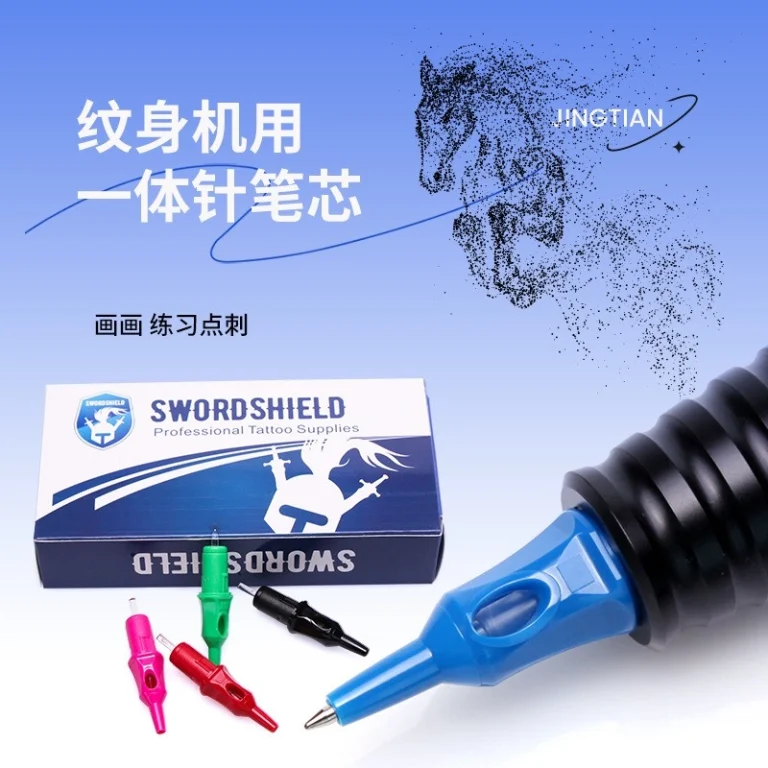
Another great trick for beginners is using Ball-point Cartridge Tools. These look like needle cartridges but have a ball-point pen tip. You can put them in your rotary tattoo machine and draw on paper. This lets you get used to the weight and vibration of the machine without wasting expensive needles or ink. It’s the most cost-effective way to build muscle memory for your lining and shading techniques.
Making the Final Decision on Your Gear
At the end of the day, the “best” stroke length depends on what you want to create. If you are leaning toward the beauty industry and want to do eyebrows, a 2.5mm to 3.0mm machine like the Lola Air is perfect. If you want to do traditional tattoos with thick lines, go for 4.0mm. But if you are like most beginners and want to try it all, the Touch Screen Wireless Kit or an adjustable pen is the way to go.
Keep in mind that tattooing involves a path spanning countless hours. Your initial unit will not serve forever, but it will teach you the most. Choose durable instruments, stress sanitation, and practice relentlessly. The equipment merely extends your grasp; the true wonder arises from your steadiness and commitment to the skill.
Conclusion
Grasping how stroke length influences flesh contact distinguishes an amateur from an expert. Whether you pick a brief stroke for tender blending or an extended one for firm borders, the essence lies in aligning your gear with your objectives. For the majority of entrants, initiating with a 3.5mm stroke or a modifiable unit offers the greatest potential for development. By pairing a sturdy wireless tattoo pen with superior holders and ample training on synthetic flesh, you will establish the base required for a thriving profession. At Yaba, we are dedicated to providing the tools that help artists bridge the gap from beginner to pro. If you have any questions about which kit best suits your specific needs, please contact us and we are always ready to assist you.
FAQs
Q: What is the best tattoo stroke length for a complete beginner?
A: A 3.5mm tattoo stroke length is usually best as it works for both lining and shading tasks.
Q: Can I use a wireless tattoo pen for both eyebrows and body tattoos?
A: Yes, but you should use an adjustable stroke machine to ensure the hit is soft enough for faces.
Q: How often should I practice on fake skin during my tattoo machine setup?
A: You should practice daily on silicone skin until your lines are consistent and your shading is smooth.