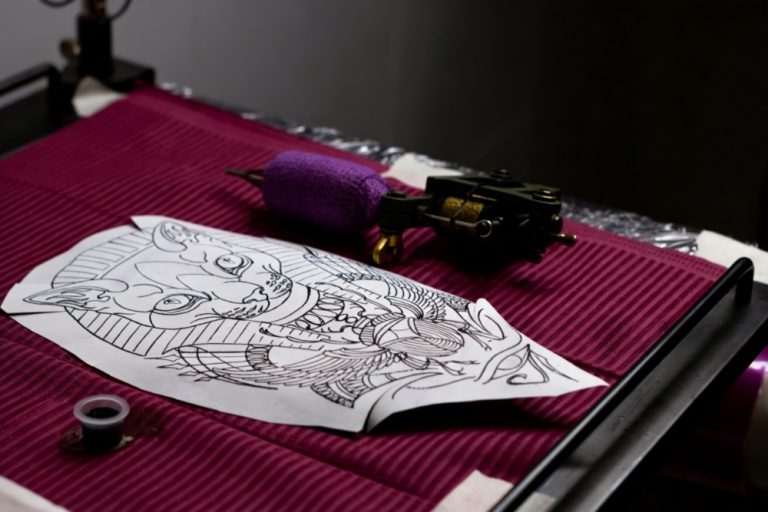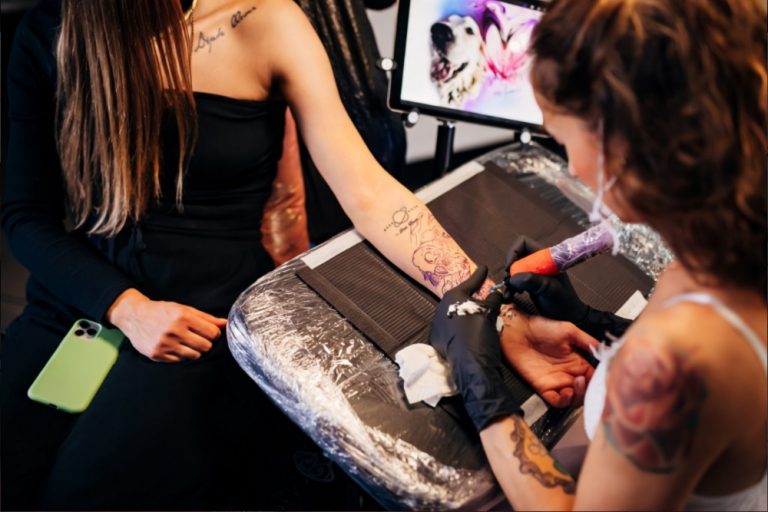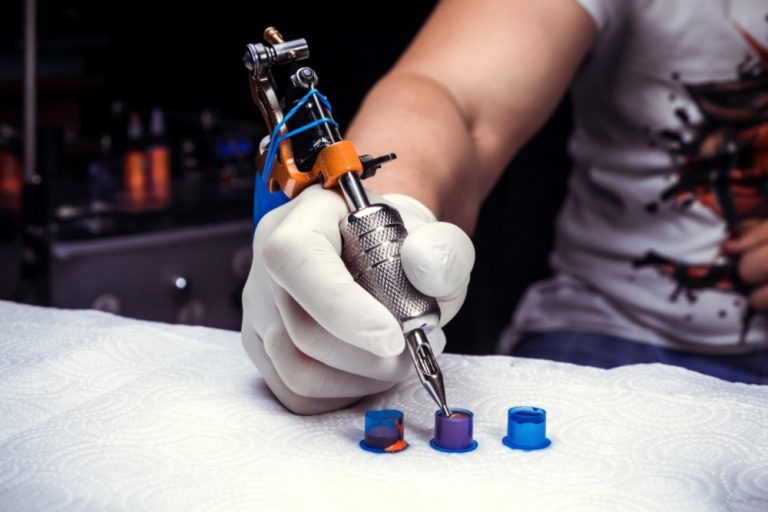
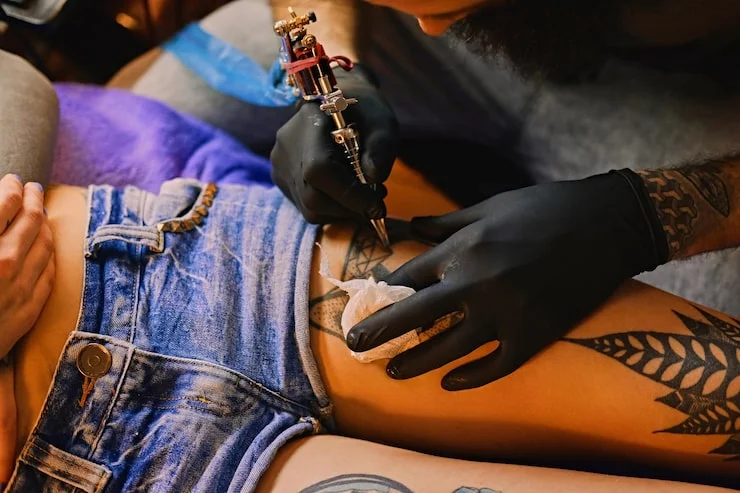
Becoming a professional tattoo artist begins with one smart move. You pick the right techniques and styles that fit you. For newbies, this choice feels overwhelming at first. Too many options stare back. Yet, if you decide early what path to take, everything gets easier. You sharpen your skills faster. Your portfolio grows strong. Clients who love your vibe start finding you. In this guide, we’ll walk you through exactly how beginners can pick the best techniques and styles. We match them to your passion, your current ability, and what people actually want. Plus, we’ll share simple tricks to practice smarter and choose tools that won’t waste your money.
1. Defining Your Work Requirements
Stop. Think hard before you buy your first needle. What kind of tattoo artist do you really want to become? Maybe bold traditional flashes light you up. Or perhaps tiny dotwork mandalas make your heart race. Some love hyper-realistic portraits that look like photos on skin. Others crave clean minimalist lines or moody black-and-grey pieces. Figure that out first. It shapes everything else.
Your budget matters too. Starting cheap is okay. But knowing your direction keeps you from throwing cash at junk you’ll never use. Will you work in a busy shop? Travel as a guest artist? Set up quietly at home? Each path changes what gear you need. Portability counts for some. A rock-solid sterile setup matters for everyone. Sanitation isn’t optional. Ever.
2. Mastering Basic Techniques: Linework, Shading, Color Packing, Dotwork, and Hand Poking
Linework
Clean lines make or break a tattoo. Period. Bold American traditional or delicate fine-line work—doesn’t matter. Messy lines ruin the whole piece. So beginners, drill this first. Practice until your hand stops shaking.
Shading
Shading breathes life into flat designs. Soft gradients create realism. Heavy black packs punch. You learn both ways early. Depth appears. Tattoos stop looking like stickers.
Color Packing
Bright, saturated color needs solid packing skills. Steady hands. Good ink. Even pressure. Skin drinks pigment differently on every person, so you must understand how color settles and heals.
Dotwork and Fine Details
Dotwork exploded in popularity—and for good reason. Thousands of tiny dots build texture, shadows, even full images. Geometric sleeves, sacred patterns, ornamental cuffs—all live here. Patience is key. Precision too. Beginners who love detail often fall hard for this style.
Hand Poking
No machine. Just a needle tied to a stick and pure focus. Hand poking slows everything down. You feel every poke. Control skyrockets. Perfect for small, meaningful pieces or learning before you touch a rotary.
Master these basics first. They’re your foundation. Everything else stacks on top.
3. Exploring and Choosing the Right Tattoo Styles
Once the basics feel solid, start exploring styles seriously. Each one demands its own toolkit and mindset.
Popular Tattoo Styles
- Traditional (Old School): Thick outlines, bright primary colors, timeless icons—roses, daggers, ships, swallows.
- Japanese (Irezumi): Epic body suits, dragons chasing pearls, waves crashing, cherry blossoms falling.
- Realism: Portraits that could fool your mom, wildlife so real you hear the growl.
- Minimalist/Geometric: One-line faces, sacred shapes, quiet elegance that whispers instead of shouts.
- Black & Grey: Smooth whip shading, pepper shading, silky gradients—pure drama without color.
Here’s the trick for beginners: pick one or two styles max. Dive deep. Spreading yourself across five styles early just creates five mediocre portfolios. Focus. Get good. Then branch out later if you want.
4. Practice and Build Your Portfolio
You don’t improve by dreaming. You improve by doing—every single day.
Practice with Fake Skin
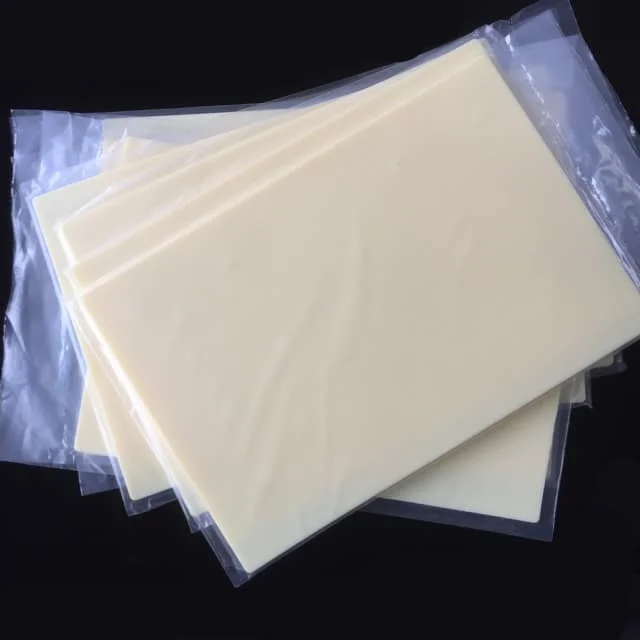
Fake skin saves lives (and friendships). It feels close to the real thing. Stretch it. Stencil it. Tattoo it. Wipe mistakes. Tattoo again. Yaba’s A4 0.3mm Silicone Fake Skin for Tattoo Beginners remains a top pick for new artists. Thin. Forgiving. Cheap enough to burn through sheets without crying.
Develop a Practice Schedule
Make a real plan. Monday: straight lines and circles. Tuesday: whip shading. Wednesday: tight packing. Repeat. Consistency beats random bursts every time.
Build a Portfolio
Photograph every decent piece under good light. Heal shots matter just as much as fresh ones. Post them online. Instagram still rules the tattoo world. Your feed becomes your resume. Make it scream “hire me.”
5. Establish Your Personal Style and Brand
After months of practice, something magic happens. Your own voice shows up. Lines start looking like your lines. Shading feels like your shading. That’s the birth of signature style.
Developing a Signature Style
Maybe you love ultra-thin outlines with pastel washes. Or brutal bold blackwork that eats the skin. Whatever it is, lean in. Double down. Clients will travel across states for an artist who owns their lane.
Building Your Brand
Post process videos. Share client stories. Be human online. Reply to every DM. Trust grows fast when people see the real you. From consultation to aftercare instructions, deliver calm, clear professionalism. Happy clients become walking billboards.
6. Supplier Introduction — Yaba as a Reliable Tattoo Accessories Supplier
Quality supplies separate hobbyists from pros fast. Yaba keeps earning trust from beginners and veterans alike.
- Yaba Tattoo A4 0.3mm Silicone Fake Skin for Tattoo Beginners: Still one of the best practice skins on the planet.
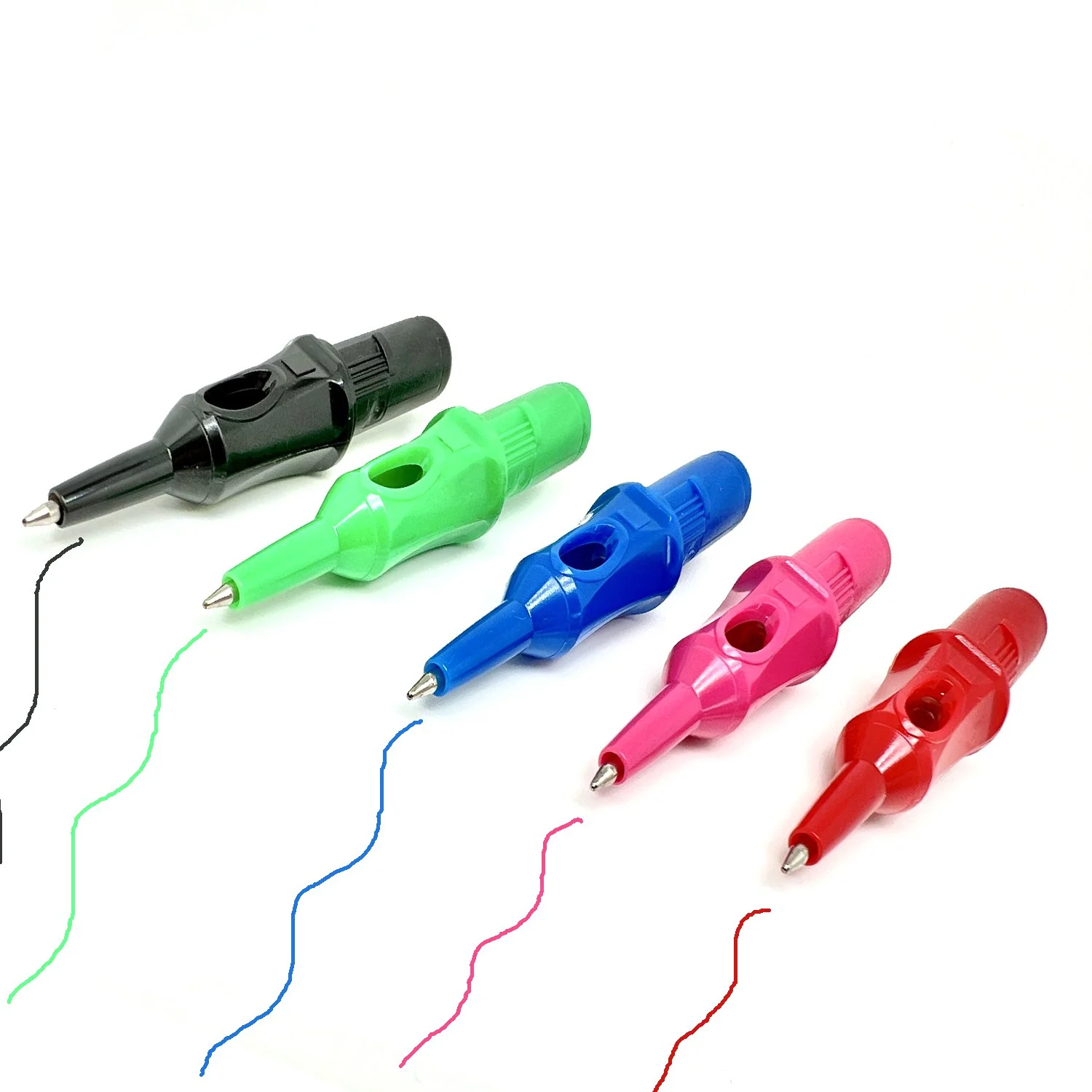
- Yaba Tattoo Supply Newest Design Ball Point Cartridge Tattoo Beginner Dotwork Tools: Perfect grouping, smooth delivery, made for tight dotwork and scripting.
Everything ships sterile and meets strict safety standards. They even offer OEM/ODM if you ever want custom gear down the road.
Conclusion
Picking the right techniques and styles early sets the whole trajectory of your career. Start narrow. Master the basics. Practice like your future depends on it—because it does. Choose solid tools (Yaba makes that part easy) and keep showing up. One day you’ll look down at a healed sleeve you created and realize: you made it. Pro status achieved.
FAQs (Frequently Asked Questions)
Q1: Should beginners focus on one style or explore multiple styles?
A1: Stick to one or two styles at the start. Depth beats shallow variety every time. Expand once you’re confident.
Q2: Do I need to tattoo on real skin as soon as I start?
A2: No way. Pound fake skin until your lines sing. Real skin comes later—when mistakes won’t scar someone forever.
Q3: How do I know when I’m ready to take on clients?
A3: Your lines stay crisp after four hours. Your shading looks smooth healed. Friends beg for tattoos instead of running away. That’s the sign. Set up clean, stay calm, and go for it.