
Picking the best tattoo machine stands as a key choice for any pro or budding artist in the field. Such a fitting device shapes how smoothly you move your sketch to the skin, and it also shapes your skill in handling methods, managing injury, and giving steady outcomes. Newcomers find that this pick speeds up their growth in assurance and ability. Experts, on the other hand, focus on sharpening accuracy and cutting tiredness across lengthy work periods.
How do coil and rotary machines compare in concept and purpose?
Tattoo machines usually split into two primary groups: coil and rotary. Both handle the core job the same way. Yet, they vary greatly in design, how they feel in use, upkeep needs, and fit for different tattoo approaches. Coil machines rely on electromagnetic coils to shift an armature bar. This setup yields a clear, forceful tap. Rotary machines use a motor to turn a cam, which turns the turning into an even straight push. Spotting these variances matters a lot, which helps in choosing a device that fits your routine and creative aims.
What are the mechanical differences between coil and rotary tattoo machines?
Coil machines work via an electromagnetic setup that draws down an armature bar to drive needle action, and this setup creates a clear shake and a clear tapping noise. Some like it for the hands-on sense it gives. Rotary machines, by comparison, run on a motor-powered cam arrangement, which produces an ongoing needle drive. As a result, they run more evenly with reduced shake and sound. The difference shapes how each device operates in practice. Coils give stronger taps, which suit thick outline tasks well. Rotaries, meanwhile, move more steadily, and they work great for even filling or small details.
Do power sources impact efficiency or versatility?
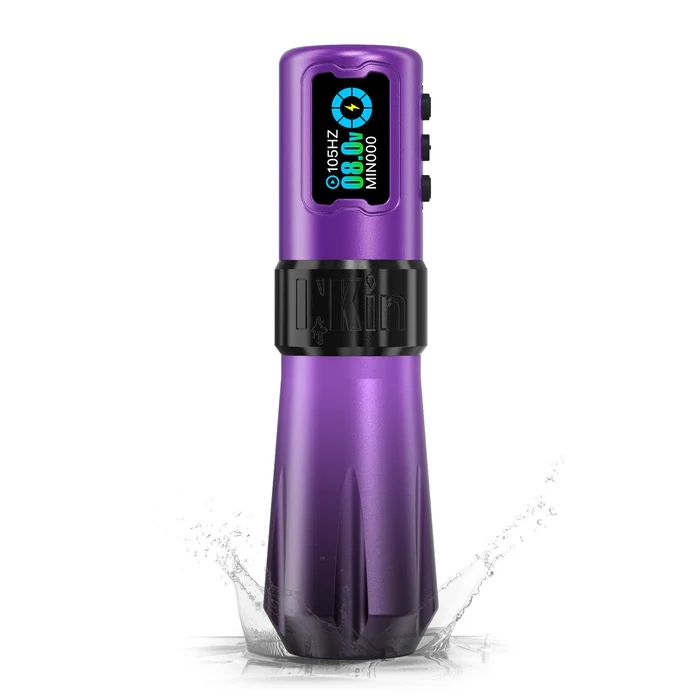
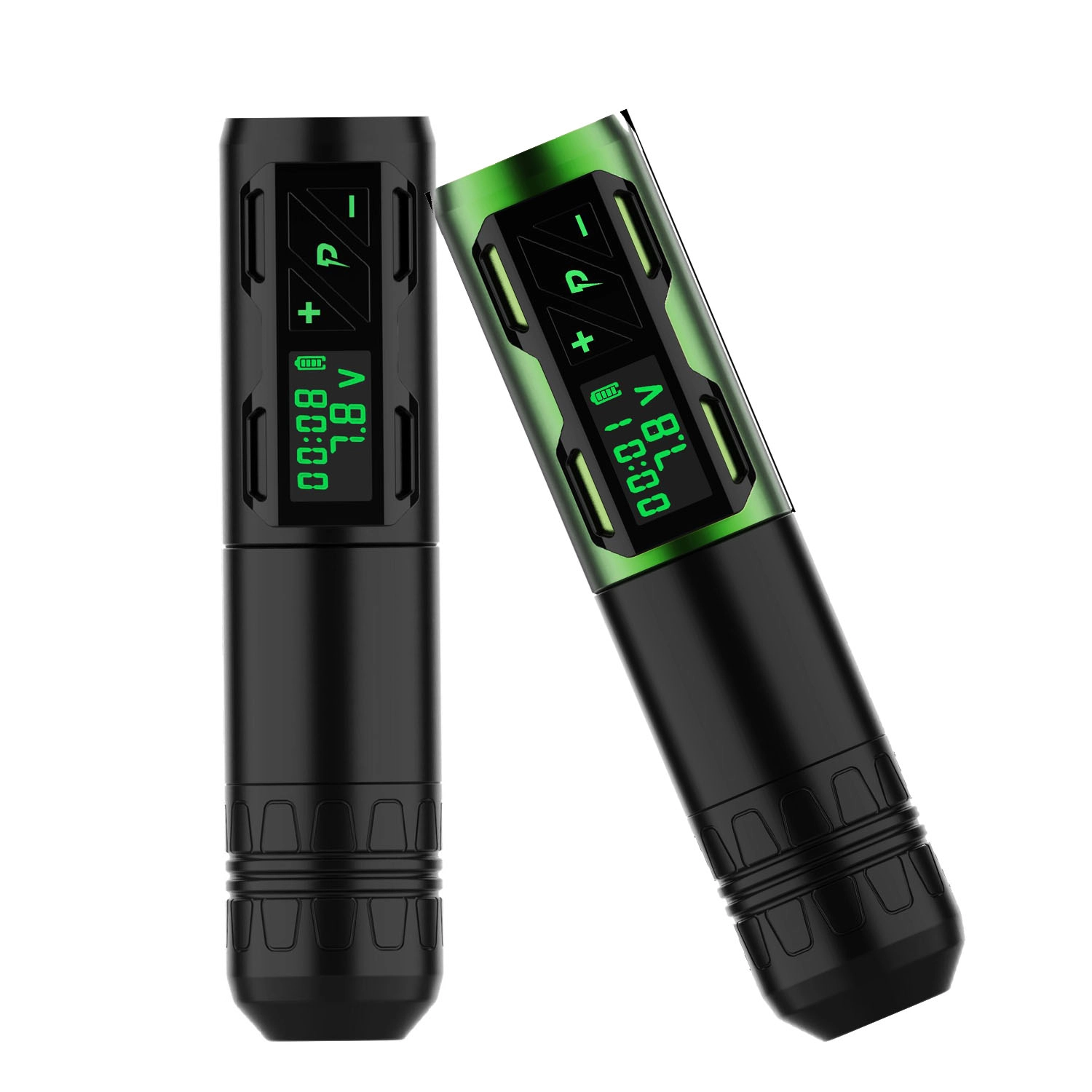
Coil machines often need steady power control from standard wired supplies. Changes in voltage can affect how they work a great deal. Rotary setups prove more power-saving. They pair well with current wireless battery units, too, which brings ease and movement in studio spaces or event venues. Wireless setups, such as those in items like the Inkone Adjustable Stroke Pen, allow easy power tweaks, and they also support longer work times free from cord limits.
How do coil and rotary machines perform during tattoo application?
When it comes to sharp lines and strong designs, coil machines deliver better push thanks to their quick needle pull-back, and this quality makes them top picks for classic tattoos. In those, full lines matter most. Still, for detailed or thin-line jobs, rotary pens provide steadier drive, and they cause less harm to the skin as well.
Which excels in shading and color blending?
Rotary machines stand out in filling tasks because of their regular push pattern. Those chasing lifelike art or gentle fades usually go for them. Coil machines handle filling, too, after some setup. However, that calls for solid know-how to tweak spring pull, contact space, and capacitor settings just right.
How does machine type affect comfort during long sessions?
Rotary pens run much quieter, and they also create less shake compared to coils, and this setup feels better for both customers and creators. Artists deal with less hand wear in drawn-out tasks. The comfort edge shows up clearly in big arm pieces or PMU work.
Are maintenance demands different between machine types?
Rotary machines have fewer parts that move, and their closed designs make wipe-downs simpler. Coil machines include more complex pieces, like springs, armature bars, and contact screws. You have to take them apart now and then for full cleans, which boosts the care effort. But it opens doors for more personal changes.
How do durability and part longevity compare?
Parts in coil machines, above all springs, can give out quicker with intense work. High-quality rotary machines with solid motors last longer overall, which holds if you keep them in good shape.
Which machine suits beginners versus advanced artists?
Rotary pens serve as great starting tools, and their easy-start style means little setup fiddling. Many include built-in batteries, which cuts down on prep hassle. Their slimmer build also eases pressure in the first training runs. Take newcomers working on YABA Tattoo A4 0.3MM Silicone Fake Skin, and they gain from the smooth drive and steady touch that rotary pens bring.
What customization advantages do coil machines offer experienced users?
Skilled artists tend to lean into coil machines because of how adjustable they are. You tweak push length, give (needle resistance), and pace by hand, which suits creators seeking custom kits for each method or skin type. Swap-out parts let you fix issues without swapping the whole thing.
How do initial costs compare with long-term value?
Simple rotary pen sets cost less at the start, and they beat out top coil rigs that need extra power units, foot switches, clip lines, and such. That said, pro-level coil machines bring wide tweak options and sturdiness. Those traits make the steeper cost worth it.
Do maintenance needs affect the total cost of ownership?
Rotary setups usually call for less swapping or fixing as time goes on. Coil handlers might have to swap springs, capacitors, or buff contact spots often, which builds up small expenses across the years.
Which tattoo styles are better suited for each machine?
If your focus lies in lifelike work, light-filling, or PMU tasks, rotary pens give the needed skill and steadiness for such forms. Their soft needle drive fits tender skin spots, like mouths or brows, nicely. For strong forms like American Traditional or Blackwork, which call for firm lines and full color depth, a coil machine stands alone. It gives sharp pushes with careful handling.
Has wireless technology changed how artists work?
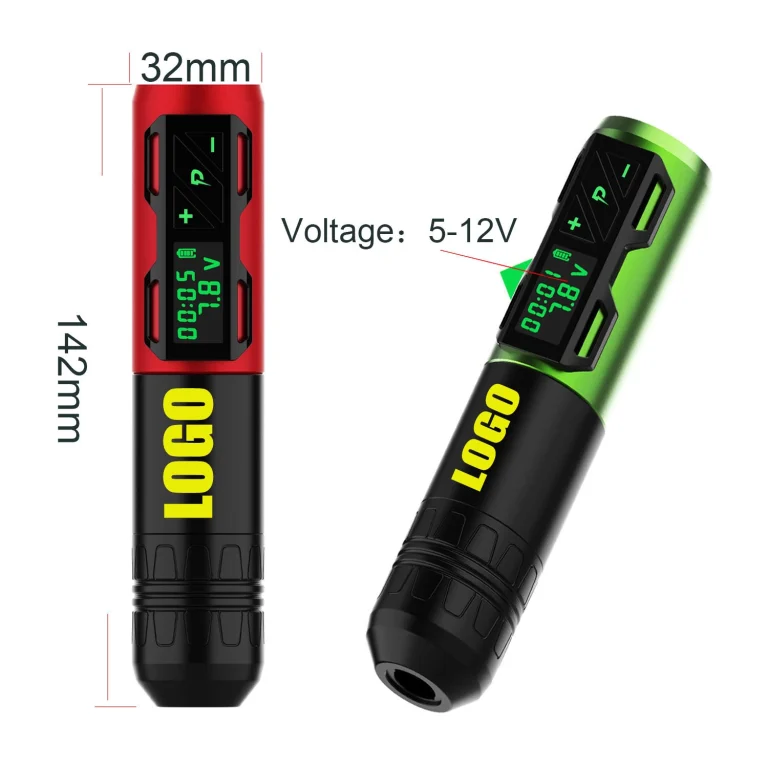
Wireless advances, such as built-in batteries and screen controls, appear in units like the Rampage Direct Drive Wireless Machine, and they have changed tattoo routines by cutting out wires completely. Such traits allow on-the-spot power handling without stopping the work.
How do wireless features enhance studio efficiency?
Getting ready takes less time without wires or outside power gear. Easy carry helps with trips to guest gigs or events. Devices with simple controls cut wait times between jobs, and they let you change settings right during the task.
Why do professionals trust Yaba as a reliable supplier?
If you seek a source that serves all skill levels, from starter packs to expert tools, Yaba provides a broad lineup, which covers wireless pens, needle holders, stencil makers, care items, and lifelike practice skins.
Their drive for research and development ensures you get gear built for the tough tattoo world of today. Be it refining your strokes with their easy dotwork holders for newbies or setting up perfect outlines using their Bluetooth Stencil Printer, Yaba covers all bases in a pro manner.
Final Thoughts on Selecting Your First Tattoo Machine
The choice between coil and rotary comes down to fit, not one being outright superior. It ties to your creative outlook, skill level, and daily flow. If you’re new or like straightforward options and range, a rotary pen could be your go-to partner. As your path advances and you crave more grip on device action, trying coil choices can lift your work higher.
Even more key, getting gear from a solid source guarantees steadiness beyond fads. Tools from proven makers boost work standards. They also aid ongoing progress via comfy builds and easy-update traits.
FAQ
Q1: What type of machine is better suited for permanent makeup applications?
A1: Rotary tattoo pens are generally preferred for PMU due to their smooth motion, low trauma output, and compatibility with fine needle configurations designed specifically for cosmetic procedures.
Q2: Can I use both coil and rotary machines in the same session?
A2: Yes, many professional artists use both types depending on the task—coils for bold lines or heavy color packing; rotaries for shading or delicate linework—ensuring optimal results across different tattoo styles.
Q3: Are wireless tattoo pens reliable enough for professional use?
A3: Modern wireless tattoo pens from trusted brands offer stable voltage output, long battery life, ergonomic designs, and precise control—making them a dependable choice even in demanding studio environments or conventions.