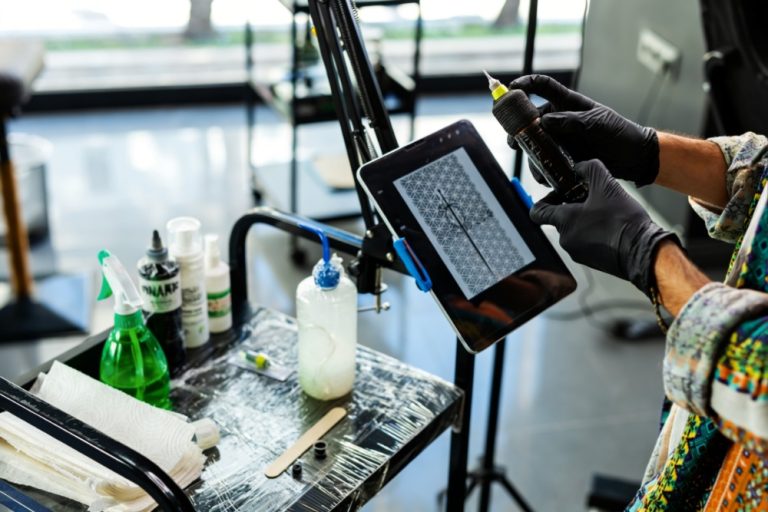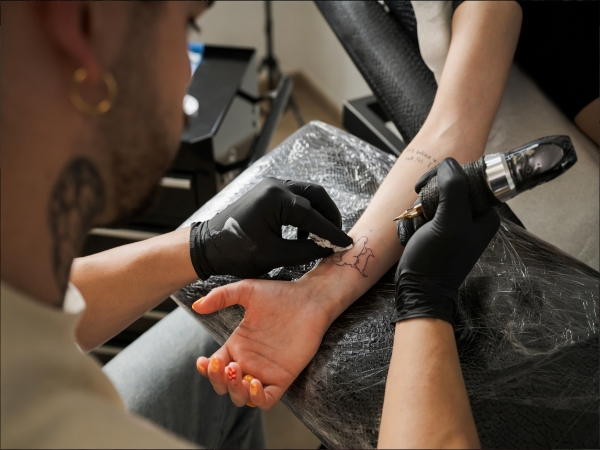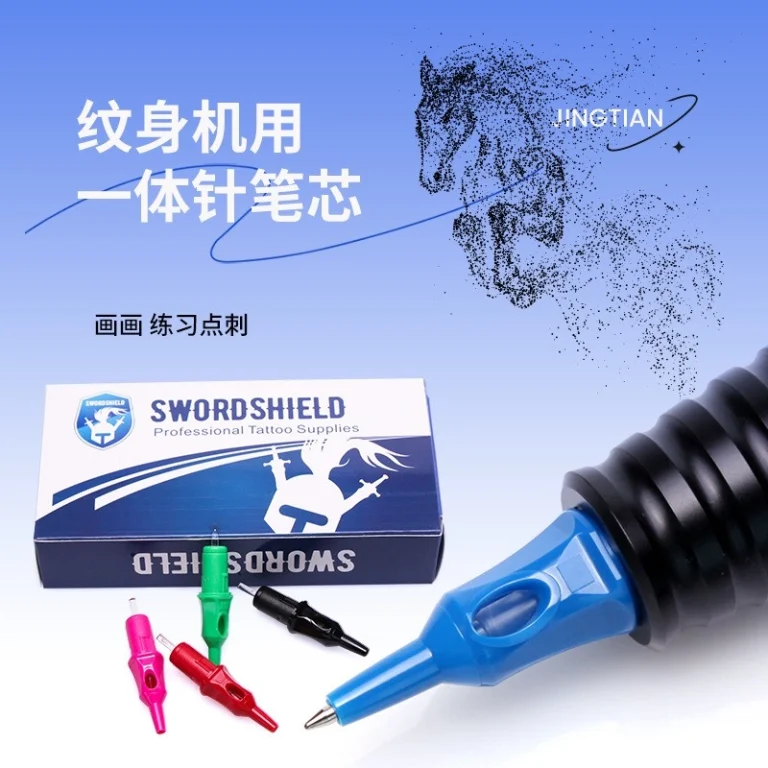
If you scroll through Instagram or TikTok lately, you will notice a huge trend taking over the tattoo industry. Heavy blackout sleeves, hyper-bright anime panels, and bold traditional pieces are everywhere. Clients walk into studios every single day asking for designs that look like solid stickers placed directly onto their skin. Creating that intense, flawless look takes years of practice, but it also heavily relies on the physical tools you choose to use.
Many artists find themselves fighting the skin, struggling to get bright pigments to stay in without turning the area into a bloody mess. A huge part of this daily struggle comes down to a choice that seems tiny on paper: the size of the metal pins inside your cartridge. When you sit down to work, deciding between a #10 and a #12 size can totally change your day. Today, we are going to look closely at the real differences between these two popular sizes, and why picking the right one matters so much for heavy pigment work.
The Physical Differences Between the Pins
Before we look at packing techniques, we need to talk about the physical reality of these tools. A fraction of a millimeter sounds completely meaningless to a normal person. But to a working artist holding a heavy machine for six hours straight, that tiny measurement changes absolutely everything.
What Happens with 0.30mm Needles
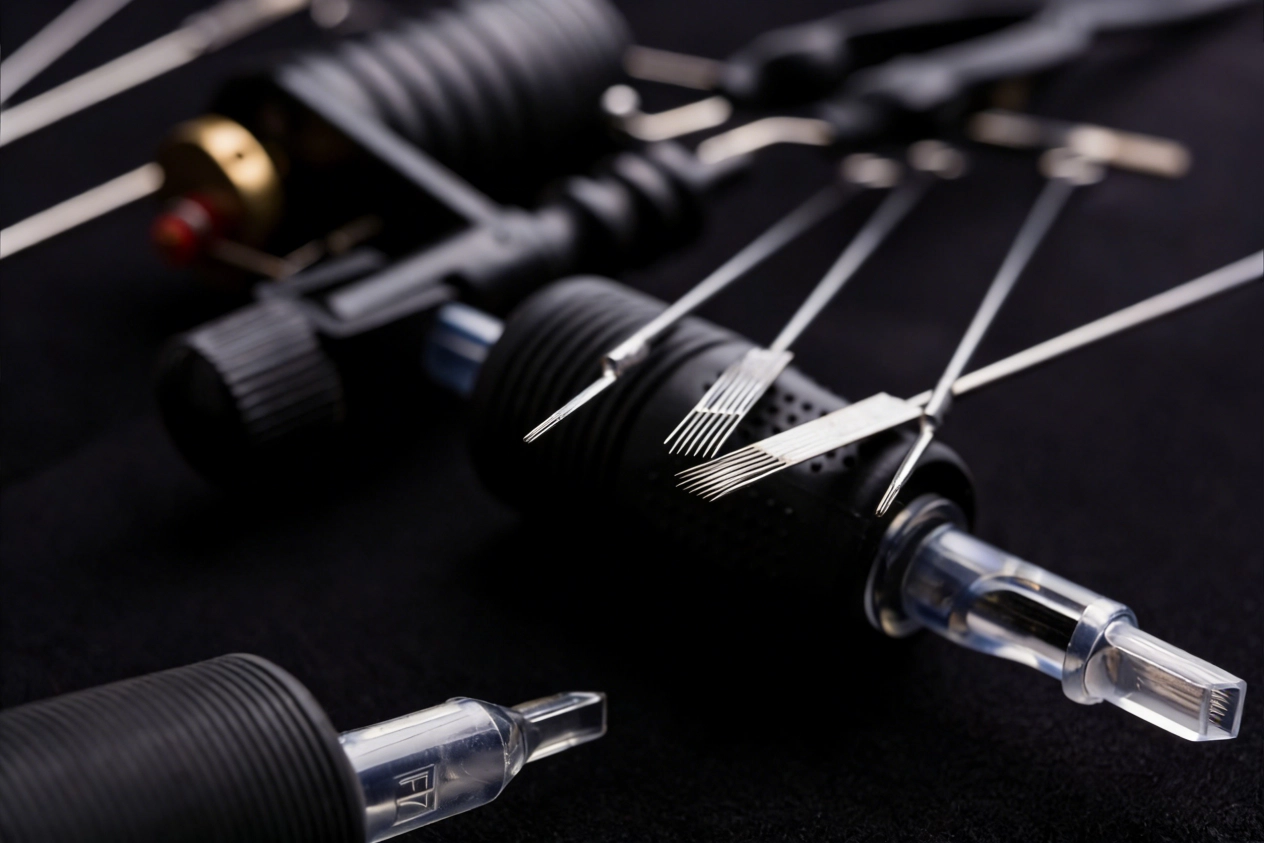
In the tattoo community, we often call 0.30mm needles “bugpins” or standard #10s. If you hold them up to the shop light, you can easily see they are quite thin. Because these pins are small, they create tiny, tight holes in the human skin. The actual metal points sit very close to each other inside the plastic housing. This tight grouping is absolutely fantastic for building soft, dusty layers. If you are doing a realistic black and grey portrait, these thinner pins let you create smooth shadows without leaving harsh lines.
However, when the job requires filling a large space with pure, dark black or heavy red, these thinner pins start to struggle. Because the holes they make are so small, they do not drop a large volume of liquid at once. You will find yourself moving your machine much slower to get the pigment to stick. Sometimes, you have to go over the same exact patch of skin three or four times. This extra work causes a lot of swelling, and it makes the healing process terrible for your client.
Why 0.35mm Needles Change the Game
On the other side of the table, 0.35mm needles are known as the traditional #12 size. They are thicker, stronger, and built specifically for heavy lifting. Because each individual pin is wider, the overall spread of a magnum grouping is slightly wider too. When these metal points hit the skin, they open up slightly larger channels.
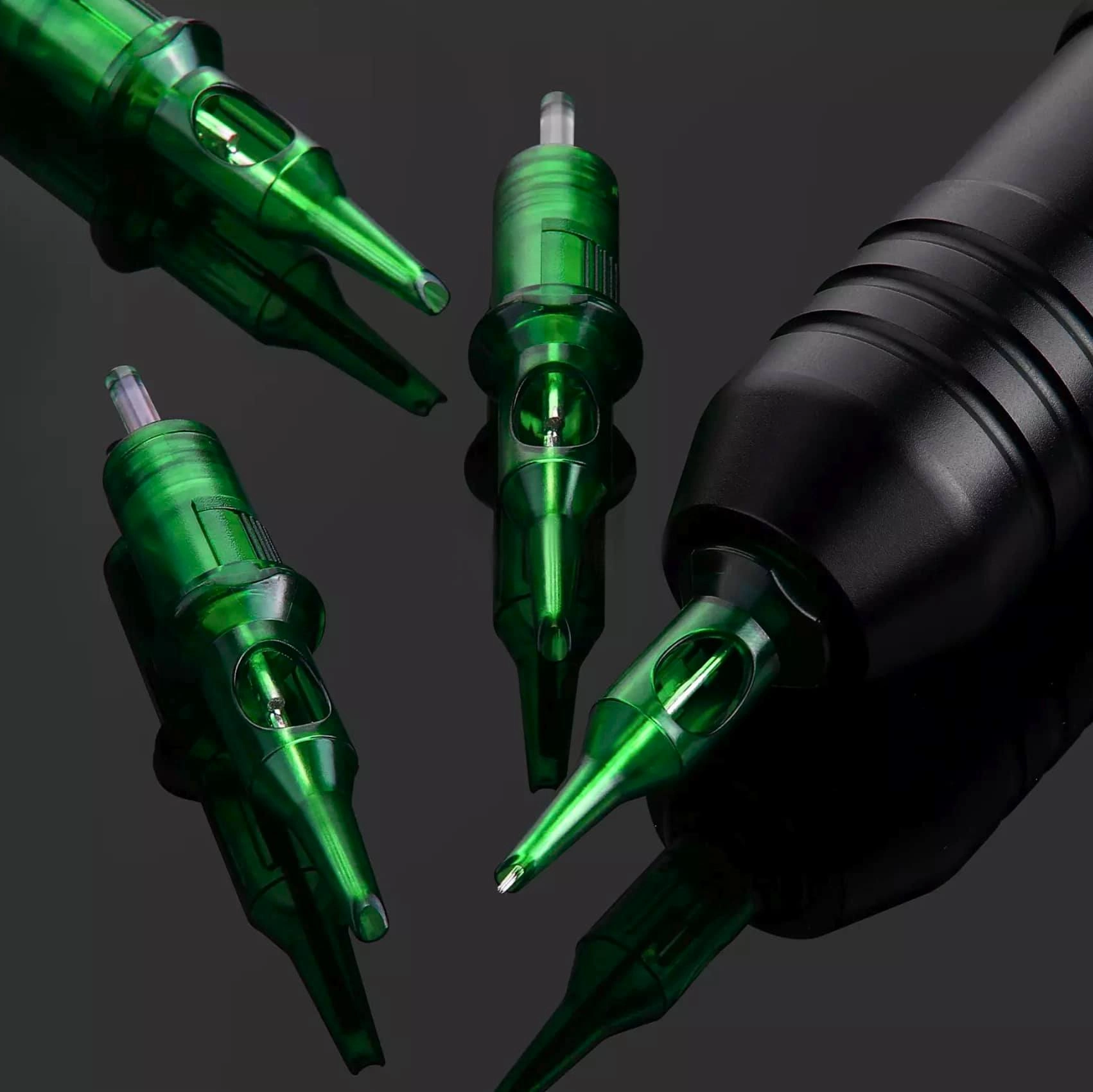
This is exactly what you want when you are trying to push heavy pigment. The larger opening allows thick ink to drop straight into the deep layers of the dermis on the very first pass. You can cover more ground quickly, which saves you hours of time and saves your client from unnecessary pain. If you want to make your daily work easier, upgrading to a premium option like the Yaba Pro Tattoo Professional Cartridges Needles 0.35mm Magnum gives you the exact stability and wide profile you need to succeed.
Hitting the Right Levels of Color Saturation
Getting a tattoo to look just as bright five years from now relies heavily on how well you put the ink in today. If the pigment is patchy or shallow, it heals looking dull. Picking the correct size directly controls how much pigment stays in the skin permanently.
The Struggle with Thinner Profiles
Sometimes the human body fights back. When you try to do heavy color work with thin bugpins, the tiny wounds close up almost instantly. The body pushes the heavy pigment particles right back out with blood and plasma. Because the metal is so thin, you might think you are getting solid color packing, but once you wipe the area, you see empty light spots.
This forces you to go back in and hit the same spot again. Doing this turns the skin into ground meat. It creates thick scabs during the healing process. When those thick scabs finally fall off, they take half of your hard work with them. Your client comes back a month later with a faded tattoo that needs a free touch-up.
Faster Coverage with Thicker Profiles
Because 0.35mm needles make a slightly bigger entry point, heavy color particles can settle deep into the skin before the body has a chance to react. You get true, lasting color saturation. You get perfectly smooth, solid blocks of color without those annoying light spots that show up a week later.
A 15-magnum built with 0.35mm pins spreads the pigment over a wider path than the same 15-magnum built with thinner pins. You can fill out a large traditional rose petal in just one or two smooth sweeps instead of scrubbing the area back and forth. Less scrubbing means the tattoo will heal faster, scab less, and hold its brightness for decades.
Real Impact on Tattoo Ink Flow and Skin Trauma
Let us break down exactly what happens when you dip your machine into a fresh ink cap. The diameter of the metal directly dictates your working speed and how the client’s skin reacts during a long session. Here is how the needle gauge changes the physics of tattooing:
- Handling Thick Inks:The liquid in your ink caps is not all the same. Black lining ink is thin like water, but opaque whites, bright yellows, and deep reds are thick like pancake batter. A wider needle gauge provides larger gaps between the pins. This creates much better tattoo ink flow. The thick liquid travels down the metal smoothly instead of getting clogged inside the plastic tip.
- Reducing Skin Trauma:It sounds completely backwards to new artists, but using a thicker pin often causes less damage. Because the bigger tool inserts the pigment successfully on the first try, you leave the skin alone after one pass.
- Matching Machine Power:If you use a strong machine with a 4.0mm or 4.2mm stroke, thin bugpins can act like little knives, cutting the skin too sharply. Thicker 0.35mm pins handle the hard-hitting power much better, turning that strong hit into clean, solid color packing.
Making the Smart Choice for Your Daily Work
Every shop has a different vibe, and every artist develops a unique hand speed over the years. Picking your daily supplies should never be a random guess. You have to match your physical tools to the exact style of art your clients pay for every single week.
When to Reach for the Bugpins
You should absolutely keep 0.30mm needles at your station. They are the ultimate tool for micro-realism, fine line work, and creating those beautiful, dusty pepper shades. If your client wants a tiny, delicate flower or a soft portrait of their dog, the bugpin will give you the smooth transitions you need. They deposit less ink, which keeps you from making an area too dark by accident.
When the Thicker Size is Mandatory
If your book is full of American traditional, neo-traditional, Japanese backgrounds, or blackout work, the 0.35mm profile is mandatory. You cannot afford to waste time scrubbing the skin with thin tools. You need raw power and volume. Using high-quality tools that deliver maximum color saturation will completely change how you feel at the end of a long work day. We highly encourage artists to test different sizes and see the results on the skin. Feel free to contact Yaba if you need help matching the perfect cartridge to your daily setup.
Conclusion
At the end of the day, creating bright, bold tattoos that stand the test of time comes down to using the right tools for the job. While thinner bugpins have a well-deserved place in portrait work, they just fall short when you need to drop heavy pigment fast. Stepping up to a standard #12 size gives you the raw power to push thick inks into the dermis on the very first pass. By making this simple switch, you will instantly improve your tattoo ink flow, cause way less damage to the skin, and cut down your appointment times. Better tools lead to better healing and much happier clients. If you have questions about upgrading your shop gear, contact us today.
FAQs
Q: Why is a wider needle gauge better for solid color packing?
A: A wider gauge pushes more pigment per strike, creating faster solid color packing with less skin trauma.
Q: Can I use 0.30mm needles for heavy color saturation?
A: You can, but 0.30mm needles require more passes, which easily overworks the skin and slows your progress.
Q: How do 0.35mm needles improve tattoo ink flow?
A: The wider spacing in 0.35mm needles stops thick pigments from clogging, giving you smooth and consistent tattoo ink flow.