Eyebrow aesthetics have undergone a remarkable shift, moving from simple manual grooming to sophisticated machine-assisted artistry. This industry’s progress mirrors the rising need for accuracy, durability, and lifelike looks. Although classic methods still hold value, customers now prefer semi-permanent and lasting options that fit busy routines and current beauty standards. Such developments push experts to keep evolving, honing basic abilities alongside new tools to provide secure, customized results.
What Are the Traditional Approaches to Grooming Eyebrows?
Threading stands out because it shapes brows with outstanding clarity. Artists roll a cotton thread over the skin, which pulls out single hairs or tiny clusters while causing little redness.
Why Are Waxing and Tweezing Still Common in Brow Maintenance?
Tweezing adds to this by plucking leftover hairs afterward for fine adjustments. Though useful, these techniques follow the hair’s growth pattern and can feel uncomfortable. Their brief duration also restricts them from meeting the ongoing wishes of today’s customers, who often choose more persistent improvements.
What Semi-Permanent Solutions Bridge the Gap Between Makeup and Tattoos?
Brow tinting boosts the natural hair shade with temporary dyes, helping brows look thicker and sharper. Henna advances this by coloring both the hair and the skin beneath it. Such double coloring gives better staying power—up to two weeks on the skin and four weeks on the hair—and acts as a gentle choice for those wary of needles or color inserted into the skin’s deeper layer.
Why Is Microblading Considered a Gateway to More Advanced Brow Tattoos?
Microblading relies on a hand-held method where a slim blade places pigment into the skin’s upper layer. It excels at copying single hair lines, suiting thin or irregular brows. The process calls for skilled design in brow mapping, balance checking, and shade knowledge to yield realistic effects matched to a client’s face form and skin tones.
How Has Permanent Makeup Redefined the Concept of Brow Tattoos?
Machine-based eyebrow tattooing employs electric tools to place pigment farther into the skin’s dermis compared to microblading. This deeper placement yields more enduring effects—frequently up to three years—and fits better with oily or aging skin where color holds less easily using hand tools. Artists can produce diverse looks according to what clients want.
Types of Eyebrow Tattoo Styles
- Powder Brows: A gentle shaded brow that looks like a cosmetic effect, great for people wanting a refined style.
- Ombre Brows: Shows a smooth fade from pale at the brow’s front to deep at the end.
- Nano Brows: Relies on very thin needles and machines to copy sharp hair lines with higher accuracy.
What Factors Impact the Healed Results in Machine-Applied Brow Tattoos?
The final look after any PMU treatment hinges on various elements. Skin condition, like dry versus oily, determines how pigment embeds and lightens with time. Choices in technique, such as needle setup, line depth, and device pace, affect both sharpness and fullness. Good aftercare from clients, including steering clear of water and applying soothing lotions, proves crucial for better color hold and fewer issues.
Which Tools and Technologies Are Driving Brow Tattoo Innovations?
Top-tier tools boost both the security and visual appeal of brow tattoo work. Key items include cordless pen machines, exact cartridges, training supplies, and pattern printers.
Key Equipment Features
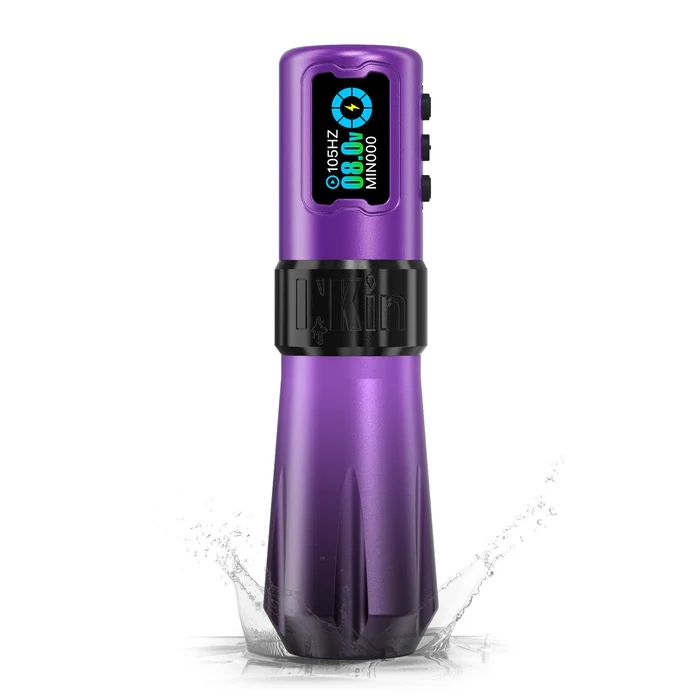
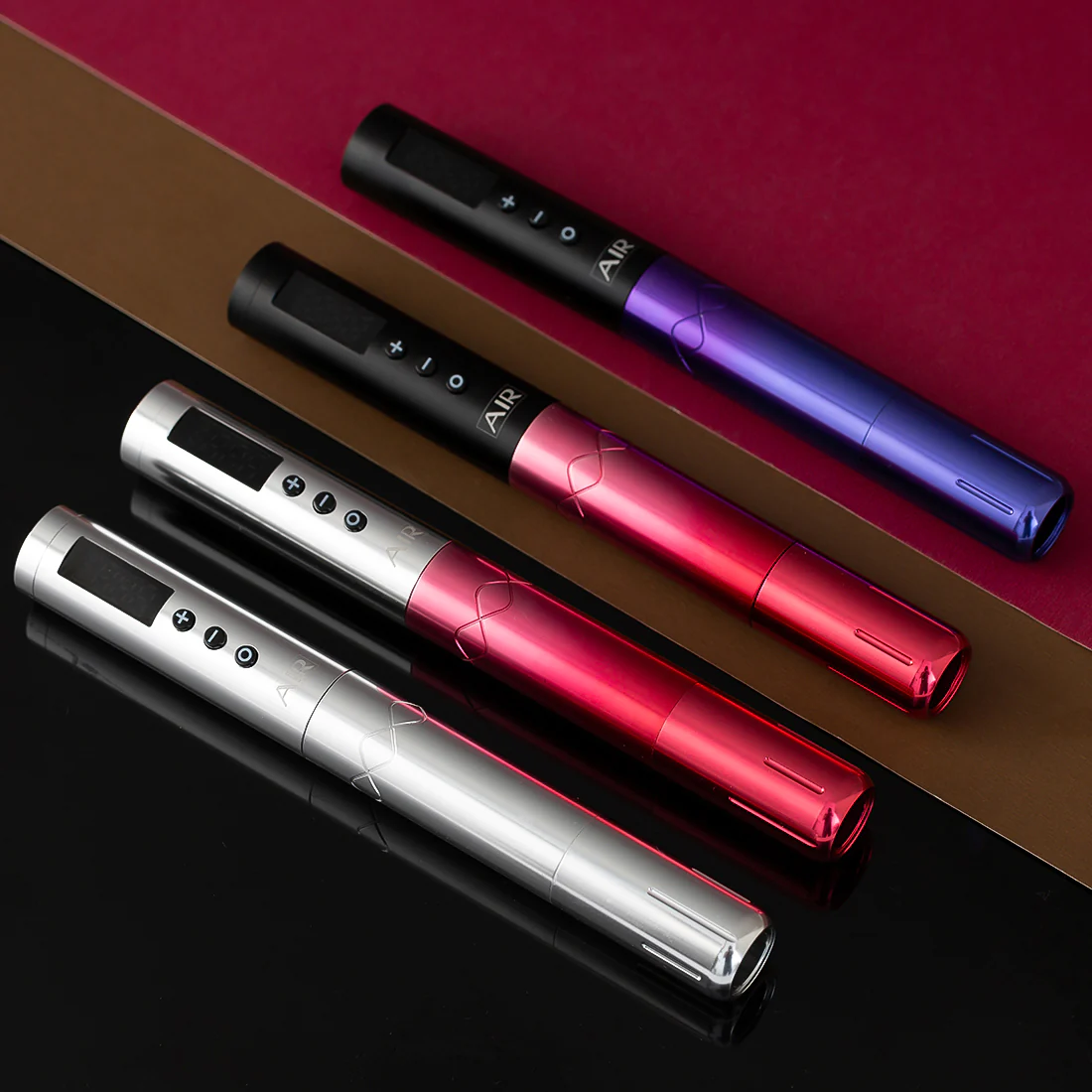
- The LOLA AIR Wireless Battery PMU Pen Machine gives artists complete freedom with three 1500mAh batteries that run for up to six hours. It features a coreless motor and aluminum frame for easy, light handling.
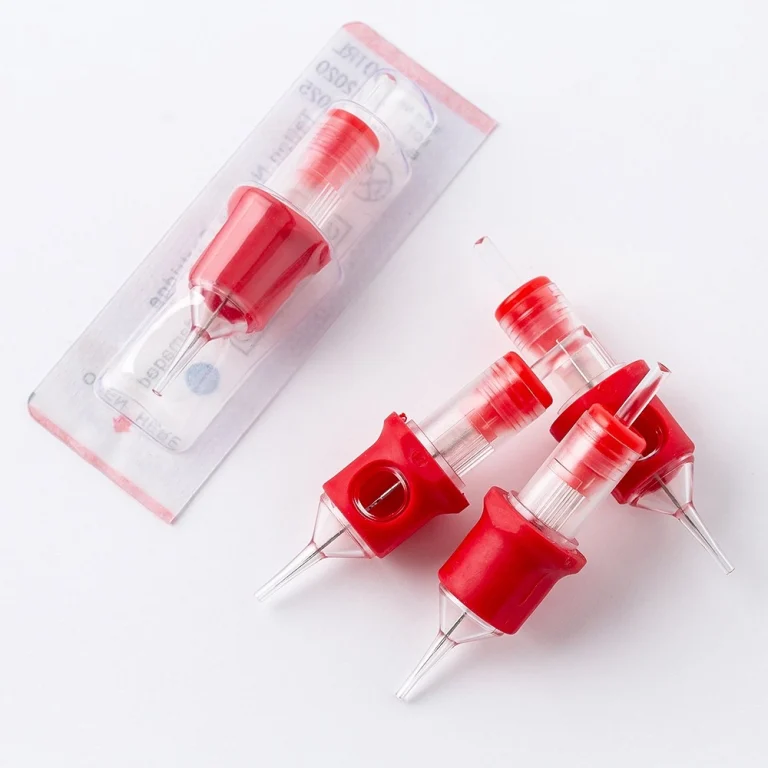
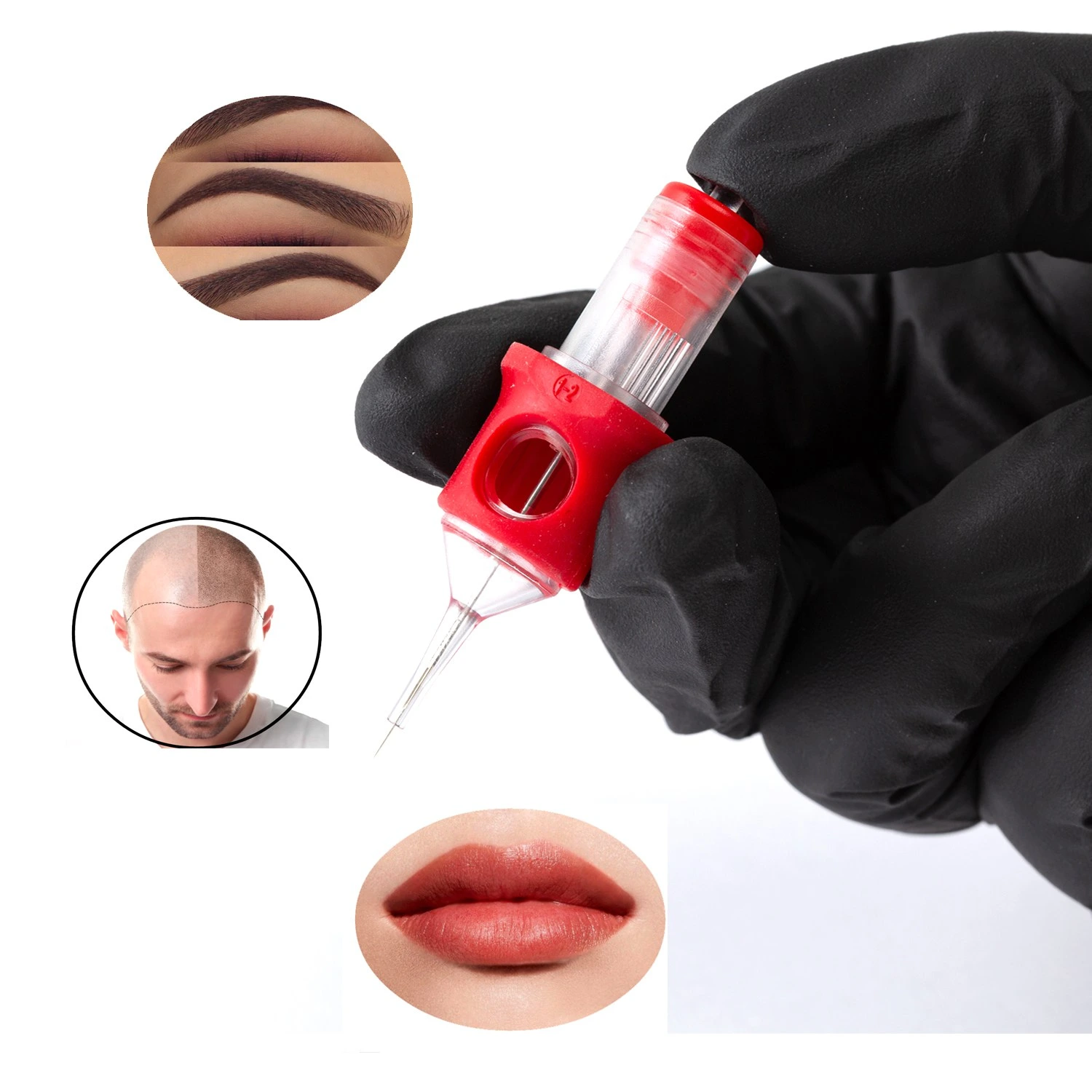
- Diamond PMU Needle Cartridges include leak-proof barriers, shake-reducing builds, and superior edge for delicate lines.
- Training aids like silicone fake skin sheets mimic actual skin feel, letting artists refine skills safely.
- Wireless Bluetooth stencil printers allow precise electronic brow plans that transfer simply to the client’s face prior to tattooing.
What Safety Standards and Pigment Choices Ensure Optimal Outcomes?
Clean practices remain essential in permanent makeup work. Artists need to apply one-time cartridges and covers while keeping workspaces germ-free to avoid infections or sensitivities. Single-use gloves, cleaning sprays, and protected wraps maintain these rules reliably in every session.
Why Must Pigment Selection Align With Skin Tone and Undertones?
Moreover, colors made with reliable ingredients lessen odd fading or tone changes over time, a frequent worry for customers aiming for durable, authentic results
How Should Professionals Approach Client Consultation and Aftercare?
Beforehand talks ought to cover a full check of face build, brow unevenness, health background (like raised scars), daily routines (such as sunlight contact), and past treatments. This data helps set practical hopes, particularly for customers with tricky skin types or health limits.
What Post-Care Practices Promote Better Pigment Retention?
Clients require guidance on healing phases—like crusting, peeling, and lightening—that happen over four to six weeks after the work. Suggested care involves dodging water in early days, not touching crusts, and using only suggested balms that support color attachment.
How Can Artists Effectively Market Their Eyebrow Services?
Sharing clear before-and-after photos in good light builds trust and catches eyes on sites like Instagram or TikTok. Informative posts about brow methods, safety steps, or gear employed establish expertise while addressing usual customer questions.
How Do Certifications and Testimonials Influence Client Trust?
Showing proof of training from trusted schools comforts clients about your skills. Inviting happy clients to share in-depth feedback provides social evidence, one of the strongest ways to attract business in service fields.
Yaba: A Trusted Supplier of Tattoo Accessories
Yaba serves as a well-known source for permanent makeup gear, focused on helping artists globally with fresh tools. From cordless PMU pens like the LOLA AIR to superior Diamond PMU Cartridges, Yaba’s range prioritizes accuracy, cleanliness, and ease in extended sessions. Their worldwide delivery options mean artists anywhere can get dependable gear suited for expert work.
Modern Solutions for Perfect Brows
Today’s eyebrow improvements cover a wide range, from hands-on threading to electronic machine tattooing. Temporary choices act as starting points for careful clients, whereas machine styles like powder or nano brows deliver endurance with creative touch. Success relies not just on skill but also on talk precision, color knowledge, clean rules, and smart tool picks.
FAQ
Q1: How long do eyebrow tattoos last compared to microblading?
A1: Machine-applied eyebrow tattoos typically last 1 to 3 years depending on pigment quality, depth of application, skin type (especially oily vs dry), sun exposure levels, and aftercare practices.
Q2: Can I offer customized eyebrow shapes for each client?
A2: Yes. Artists often use facial symmetry analysis combined with digital mapping tools or stencil printers to design bespoke brow shapes that enhance individual facial features.
Q3: Are Yaba’s tools suitable for all experience levels?
A3: Absolutely. Yaba provides beginner-friendly items like silicone practice skins along with professional-grade wireless machines and needle cartridges—making it ideal for both new artists and seasoned professionals alike.