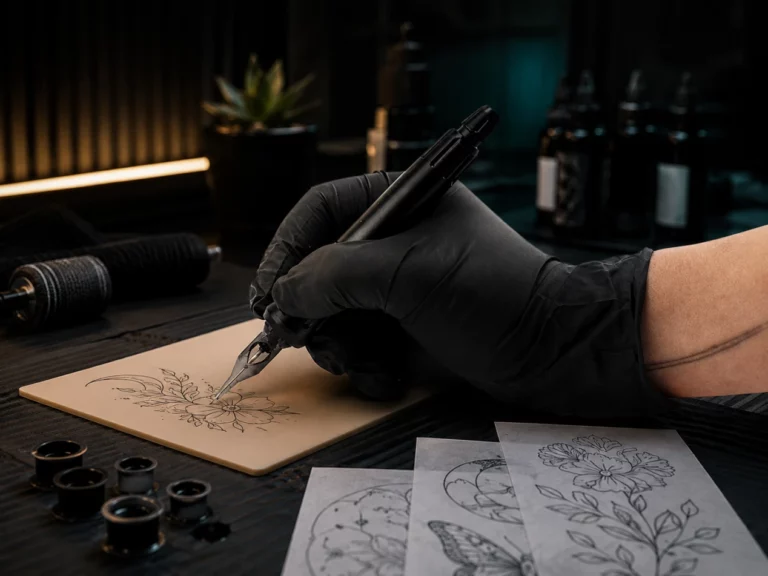
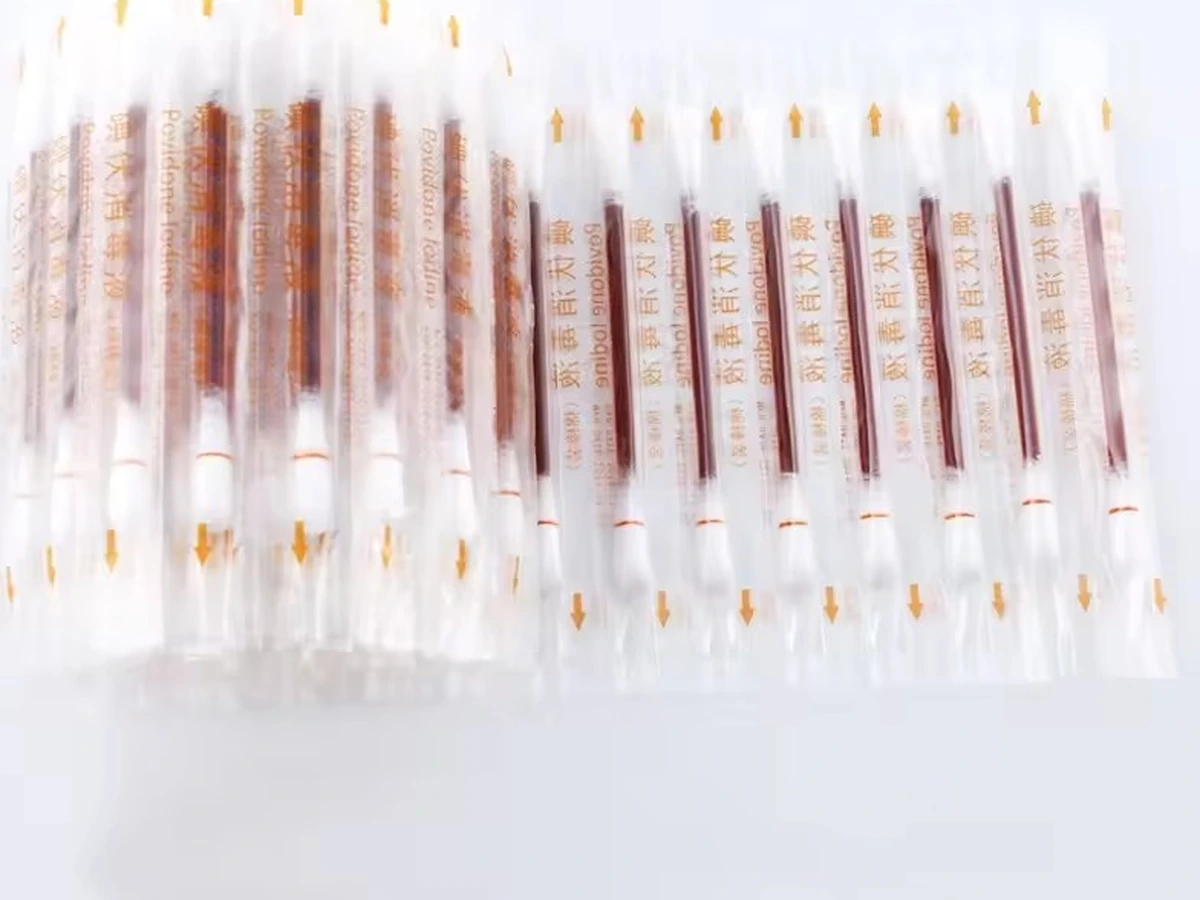
Für Tattoo- und Permanent-Make-up-Studios sollten Einweg-Jodtupfer nicht nur danach beurteilt werden, ob sie eine kleine Menge Desinfektionsmittel enthalten, sondern auch danach, wie gut sie zur tatsächlichen Terminvorbereitung passen. Das Produkt befindet sich am Anfang des Behandlungsablaufs: Der Tätowierer bereitet den Arbeitsplatz vor, überprüft den Kundenbereich, legt Einwegartikel bereit, bestätigt die Schritte der Schablonen- oder PMU-Planung und hält benutzte Materialien von sauberen Werkzeugen fern.
Der Kontext beim Tätowieren ist entscheidend. Ein Tupfer, der in einer allgemeinen Erste-Hilfe-Schublade praktisch ist, kann im Tattoo-Studio dennoch unpraktisch sein, wenn die Verpackung mit Handschuhen schwer zu öffnen ist, die Packung unübersichtlich ist, die Flüssigkeitsmenge schwankt oder die Verpackung nicht auf ein Ablagefach passt. Studios, die Tattoo-Desinfektions-Tupfer in großen Mengen kaufen, sollten vor einer größeren Bestellung die Handhabung (Einweg), den Arbeitsablauf beim Schablonen-Einsatz, die Eignung für Permanent Make-up-Sets, die Lagerung, die Packungsgröße, die Mitarbeiterschulung und die Nachbestellzeiten prüfen.
Für Käufer, die eine übersichtlichere Liste an Studio-Verbrauchsmaterialien erstellen möchten, bietet YABA Tattoo Tattoo- und PMU-Bedarf an, darunter: Tragbare sterile Jod-Tupfer für Tattoos, antiseptische Einweg-Wattestäbchen, 50 Stück/PackungDas Produkt ist besonders relevant, wenn Käufer einen kompakten Einwegartikel wünschen, der neben Handschuhen, Barrieren, Vorbereitungspads, Schablonenzubehör, Kartuschen, Farbbechern und anderen Hygieneartikeln für Tätowierungen Platz findet.
Warum sollten Tattoo-Studios Jodtupfer als Hilfsmittel für den Präparationsablauf betrachten?
Viele Studios konzentrieren sich beim Einkauf hauptsächlich auf Maschinen, Kartuschen, Griffe, Farben, Schablonenwerkzeuge und Pflegeprodukte. Diese Artikel beeinflussen das sichtbare Ergebnis direkt. Dennoch entscheidet die Vorbereitungsphase darüber, ob jede Behandlung entspannt beginnt oder in einer Suche nach Fläschchen, Pads, Wattestäbchen, Tüchern und kleinen Einwegartikeln endet.
In einem Tattoo- oder Permanent-Make-up-Studio sind Jodtupfer nicht einfach nur Standardtupfer. Sie sind fester Bestandteil der regelmäßigen Vorbereitungsroutine. Das Personal muss wissen, wo die Tupfer aufbewahrt werden, wann sie geöffnet und entsorgt werden müssen und wie sie in die übrige Haut- und Arbeitsplatzvorbereitung integriert sind.
Sie sitzen vor der Schablonen-, Nadel- oder PMU-Mapping-Arbeit.
Die wichtigste Frage beim Tätowieren ist nicht nur, ob ein Tupfer verfügbar ist. Käufer sollten auch fragen, an welcher Stelle im Behandlungsprozess er zum Einsatz kommt. In vielen Studios wird ein solcher Tupfer zur Vorbereitung der intakten Haut verwendet, beispielsweise vor dem Anbringen der Schablone, dem Permanent Make-up oder anderen detailreichen Arbeiten. Daher muss der Tupfer leicht zugänglich sein, ohne den Tisch des Tätowierers zu blockieren.
Die Studios sollten außerdem prüfen, wie der Tupfer passt. SchablonenübertragungsprodukteHautmarker, Handschuhe, Schutzfolie und Einwegtabletts sind unerlässlich. Wenn ein Vorbereitungsartikel zu viele sichtbare Rückstände hinterlässt, zu früh geöffnet oder zu nah an bereits verwendeten Werkzeugen platziert wird, gerät der Arbeitsablauf ins Wanken. Das Produkt sollte das Studioprotokoll unterstützen, anstatt Künstler zu zwingen, ihre Arbeitsweise für jede Session zu ändern.
Einweghandhabung reduziert Verwirrung am Bahnhof
In Tattoo-Studios gelten klare Regeln für die Trennung von sauberen und gebrauchten Artikeln. Für alle Gegenstände, die geöffnet, geteilt, verlegt oder versehentlich wiederverwendet werden können, sind einfache Handhabungsregeln erforderlich. Einweg-Jodtupfer erleichtern dies: Ein einzeln verpackter Tupfer wird für den vorgesehenen Vorbereitungsschritt geöffnet, einmal verwendet und anschließend gemäß den Studiorichtlinien entsorgt.
Dies ist besonders hilfreich in Geschäften mit mehreren Künstlern, Auszubildenden oder Mitarbeitern am Empfang, die beim Aufbau helfen. Neue Mitarbeiter können eine Checkliste für die Station verwenden, anstatt sich mehrere einzelne Watte- und Flüssigkeitsartikel merken zu müssen. Auch für Händler ist der Vorteil gegenüber Studiokäufern leicht zu erklären: tragbar, einzeln verpackt, einfach zu zählen und ideal für die Planung des Verbrauchsmaterialbedarfs.
Welche Anwendungsfälle für Tattoos und Permanent Make-up sollten Käufer zuerst prüfen?
Vor einem Preisvergleich sollten Käufer die Serviceleistungen prüfen. Ein traditionelles Tattoo-Studio, ein PMU-Studio, ein mobiler Künstler und ein Händler bewerten dasselbe Produkt nicht auf dieselbe Weise.
| Anwendungsfall Studio | Warum Jodtupfer wichtig sind | Kauf-Checkpoint |
| Einrichtung der Tattoo-Station | Unterstützt einen kompakten Hautvorbereitungsschritt vor Schablonen- oder Nadelarbeiten | Verpackung, Flüssigkeitskontrolle, handschuhfreundliches Öffnen und Entsorgungsregel prüfen |
| PMU-Terminset | Hält kleine Verbrauchsmaterialien für die Vorbereitung von Augenbrauen-, Lippen- oder Detailbehandlungen übersichtlich aufbewahrt. | Prüfen Sie die Passform der Schale, die Produktanweisungen, den Prozess zur Sensibilitätsprüfung der Kunden und die Etikettierung. |
| Mobiler Künstler- oder Kongress-Kit | Verringert den Bedarf, lose Flaschen und separate Baumwollartikel mitzuführen. | Prüfen Sie Tragbarkeit, Stabilität der Verpackung, Auslaufrisiko und Aufbewahrungsmöglichkeiten für Reisen. |
| Trainingsstudio | Bietet Auszubildenden ein wiederverwendbares Einrichtungsteil anstelle mehrerer loser Materialien. | Prüfen Sie die gut sichtbare Kennzeichnung, die Verwendung der Mitarbeiter-Checkliste und die einfache Zählbarkeit. |
| Händler oder Großhändler | Erstellt eine eindeutige, verbrauchbare Artikelnummer für Tattoo- und PMU-Kunden. | Prüfen Sie das Format (50 Stück/Box), die Kartonverpackung, die Produktfotos und die Unterstützung für wiederkehrende Lagerbestände. |
Diese Art von Überprüfung stellt sicher, dass der Artikel und die Kaufentscheidung mit der Tätowierkunst in Verbindung stehen. Der Käufer fragt nicht nur, ob Jodtupfer existieren, sondern auch, ob sie den Bedürfnissen der Tätowierer entsprechen, die Kunden vorbereiten, die Ordnung am Arbeitsplatz gewährleisten und kleine Einwegartikel wieder auffüllen.
Welche Verpackungsdetails sind bei Tattoo-Vorbereitungsstäbchen wichtig?
Die Verpackung ist eines der ersten Dinge, die Käufer vor dem Kauf steriler Jodtupfer in großen Mengen überprüfen sollten. Ein Produkt mag einfach aussehen, aber die Verpackung beeinflusst die Handhabung von Handschuhen, die Aufbewahrung in Tabletts und Schubladen, die Warenpräsentation im Regal, den Versand und die tägliche Bestandszählung.
Studios sollten nachfragen, wie viele Teile sich in einer Box befinden, ob jeder Tupfer einzeln verpackt ist, ob die Box in der Nähe des Vorbereitungsplatzes aufbewahrt werden kann und ob die Artikelbezeichnung so eindeutig ist, dass Künstler und Assistenten sie während des Aufbaus schnell finden können.
Einzeln verpackte Tupfer sind leichter zu kontrollieren.
Einzeln verpackte Tupfer sind für Tätowierungen und Permanent Make-up praktisch, da jedes Stück einzeln gehandhabt werden kann. Dies ist wichtig, wenn verschiedene Künstler ihre Arbeitsplätze vorbereiten oder wenn ein Manager nach einer Schicht den verbleibenden Vorrat überprüfen muss.
Die YABA-Einweg-Jodtupfer zeichnen sich durch ihre Mobilität und Hygiene aus. Sie sind einzeln verpackt und in einer 50er-Packung erhältlich. Für Großabnehmer bietet die 50er-Packung eine klare Basiseinheit für die Lagerplanung. Studios können so den Bedarf anhand der Termine genau abschätzen, anstatt auf lose Tupfer angewiesen zu sein.
Die Anzahl der Boxen sollte dem Terminvolumen entsprechen.
Eine zu geringe Kartonmenge kann ständige Nachbestellungen erforderlich machen. Eine zu große Menge kann dazu führen, dass der Karton im falschen Lagerbereich landet und schwer nachzuverfolgen ist. Studios sollten die Kartonmenge an das tatsächliche Serviceaufkommen anpassen, insbesondere wenn sie Tattoo-, Permanent-Make-up- und Schulungstermine in derselben Woche anbieten.
Eine praktische Methode ist, Tupfer wie andere schnell verbrauchte Einwegartikel für die Tattoo-Hygiene zu behandeln. Halten Sie eine geöffnete Packung in der Nähe des Vorbereitungsbereichs bereit, bewahren Sie ungeöffnete Packungen in einem beschrifteten Lagerraum auf und legen Sie einen Nachbestellpunkt fest, bevor die letzte Packung geöffnet wird.
Welchen Stellenwert haben Jodtupfer in der Einrichtung einer Tattoo-Station?
Ein Tattoo-Arbeitsplatz sollte einfach vorzubereiten und wieder aufzuräumen sein. Tätowierer sollten nicht für jede Kleinigkeit im Raum herumlaufen müssen, bevor ein Kunde Platz nimmt. Einweg-Tupfer lassen sich gut in einen solchen Arbeitsplatz integrieren, da sie kompakt, zählbar und leicht neben anderen Einwegartikeln zu platzieren sind.
Entscheidend ist, ihre Rolle klar zu definieren. Sie unterstützen einen Vorbereitungsschritt; sie ersetzen weder die Hygienevorschriften des Studios, noch die lokalen Bestimmungen, die Hautanalyse, das Urteilsvermögen des Künstlers oder die vom Studio verwendeten Produktanweisungen.
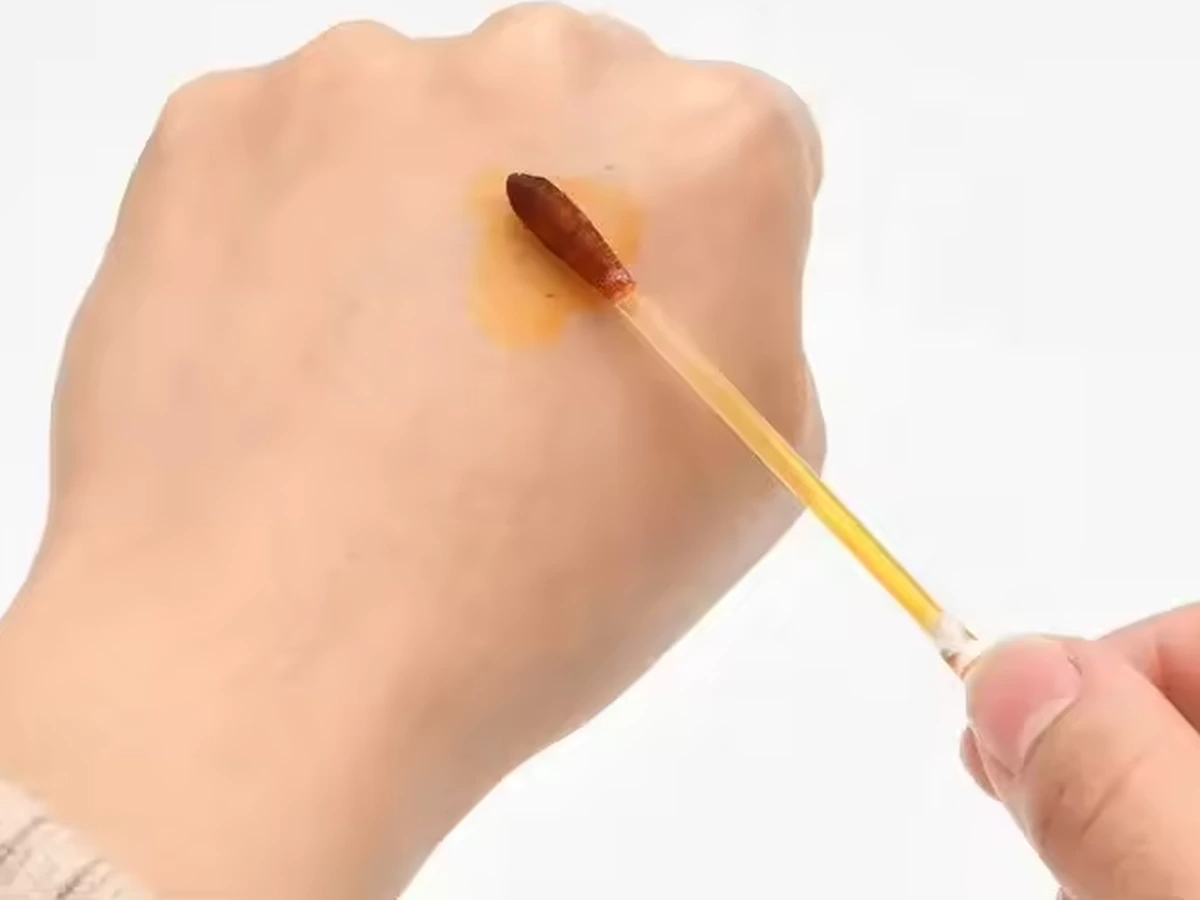
Halten Sie den Arbeitsbereich um Tinte und Nadeln frei.
Die Werkbank sollte nicht mit zu vielen offenen Produkten überladen sein. Wenn in einem Studio einzelne Fläschchen, Wattepads, lose Wattestäbchen und zusätzliche Tücher verwendet werden, kann der Arbeitsplatz schnell unordentlich werden. Ein einzeln verpacktes Wattestäbchen reduziert dieses Chaos, da es verschlossen bleibt, bis der Künstler oder Assistent es benötigt.
Studios sollten unbenutzte Tupfer getrennt von benutzten Werkzeugen, offenen Tintenbehältern und kontaminierten Einwegartikeln aufbewahren. Nach Gebrauch sollte der Tupfer den sauberen Bereich der Station verlassen und ordnungsgemäß entsorgt werden. Dadurch hat das Produkt einen festen Platz im Tattoo-Workflow und wird nicht zu einem zufällig herumliegenden Material auf dem Tisch.
Schablonen- und Hautmarkierungskompatibilität prüfen
Tattoo-Käufer sollten bei der Auswahl ihrer Vorbereitungsmaterialien die Schablonen- und Hautmarkierungsschritte berücksichtigen. Ein Studio verwendet möglicherweise Schablonengel, Transferpapier, Hautmarker, Lineale, Konturenstifte oder Produkte zum Konturieren von Permanent Make-up. Ist die Vorbereitungsreihenfolge nicht geplant, können sich die Produkte gegenseitig beeinträchtigen.
Vor einer Großbestellung können Studios die Abstrichtupfer in der gleichen Abfolge testen, die die Künstler bereits verwenden. Der Test sollte die Handhabung der Handschuhe, das Öffnen des Produkts, die Flüssigkeitsmenge, sichtbare Rückstände, die Einhaltung der Schablonen-Einführungszeit und die Wiederholbarkeit des Vorgangs durch das Personal ohne Probleme überprüfen.
Was sollten PMU-Studios separat überprüfen?
PMU-Studios arbeiten oft in kleineren Räumen und verwenden kompaktere Schalen als Tattoo-Studios. Die Ablagefläche ist möglicherweise begrenzt, und der Vorbereitungsbereich ist für den Kunden meist gut einsehbar. Ein kompakter Einwegtupfer kann hilfreich sein, dennoch sollten PMU-Kunden das Serviceprotokoll sorgfältig prüfen.
Bei Behandlungen, die Augenbrauen, Lippen, Kopfhaut oder andere Details berücksichtigen, sollten Einkäufer prüfen, wo der Tupfer im Vorbereitungsprozess eingesetzt werden soll und ob die Produktanweisungen mit dem Anwendungsfall im Studio übereinstimmen. PMU-Teams sollten außerdem auf Kundenempfindlichkeitstests, Produktkennzeichnung und die Lagerung getrennt von Pigmenten, Klingen, Nadeln und gebrauchten Einwegartikeln achten.
PMU-Terminsets benötigen kompakte Verbrauchsmaterialien.
Ein PMU-Terminset kann Handschuhe, Wattepads, Kartierungswerkzeuge und Farbbecher enthalten. MikrotupferKartuschen, Barrierematerialien, Nachsorgekarten und andere Einwegartikel. Wenn jedes Kleinteil aus einer anderen Schublade kommt, wird der Aufbau langsam und uneinheitlich.
Einweg-Jodtupfer lassen sich leichter in einem kleinen Tablett unterbringen, da sie einzeln verpackt und zählbar sind. Ein Studio kann die Einwegartikel vor der Ankunft des Kunden vorbereiten, was die Suche in letzter Minute reduziert und für ein ordentlicheres Raumgefühl sorgt.
Produktversprechen sollten praxisnah bleiben.
Für den Einkauf in Studios mit Kundenkontakt ist eine sichere Verpackung am sichersten, die auf praktische und arbeitsablauforientierte Prinzipien abgestimmt ist: tragbar, für den Einmalgebrauch, einzeln verpackt, leicht zu zählen und für die Vorbereitungsroutine geeignet. Käufer sollten Tupfer nicht als Ersatz für professionelle Hygieneregeln, entsprechende Schulungen oder lokale Vorschriften betrachten.
Diese Formulierung hilft auch den Händlern. Das Produkt kann als Teil des Sortiments an Hygieneartikeln für Tattoo-Studios und PMU-Studiobedarf präsentiert werden, ohne unbegründete medizinische Versprechen zu machen.
Was sollten Großabnehmer vor der Bestellung bestätigen?
Großbestellungen sollten nicht allein auf dem Stückpreis basieren. Bei Verbrauchsmaterialien für Tattoo-Studios müssen Käufer auch das Verhalten des Personals, die Nachbestellungssteuerung, Verpackungsschäden, den Lagerplatz und die Verständlichkeit für nachgelagerte Abnehmer berücksichtigen.
Ein Studio benötigt möglicherweise nur einfache Lagermöglichkeiten und regelmäßige Nachbestellungen. Ein Vertriebshändler benötigt eventuell verkaufsfertige Kartons und Nachbestellungen. Ein Private-Label-Käufer legt unter Umständen mehr Wert auf einheitliche Verpackungen und eine sorgfältige Kartonplanung. Da dasselbe Produkt für unterschiedliche Zwecke verwendet werden kann, sollte die Einkaufsliste klar definiert sein.
Lager- und Regalmanagement prüfen
Vor der Bestellung von Einweg-Jodtupfern sollten Käufer prüfen, wo die Packungen gelagert werden und wer sie zählt. Wenn die Tupfer in mehreren Schubladen versteckt sind, kann es passieren, dass das Studio zu spät nachbestellt oder versehentlich doppelt bestellt.
Eine einfache Methode besteht darin, eine aktive Box in der Nähe des Vorbereitungsplatzes und zusätzliche Boxen in einem gekennzeichneten Lagerraum bereitzuhalten. Sobald die aktive Box einen bestimmten Füllstand erreicht hat, können die Mitarbeiter Jodtupfer der nächsten Bestellung hinzufügen. Dadurch wird vermieden, dass Tupfer zur Tattoo-Vorbereitung zu einer Notbeschaffung werden.
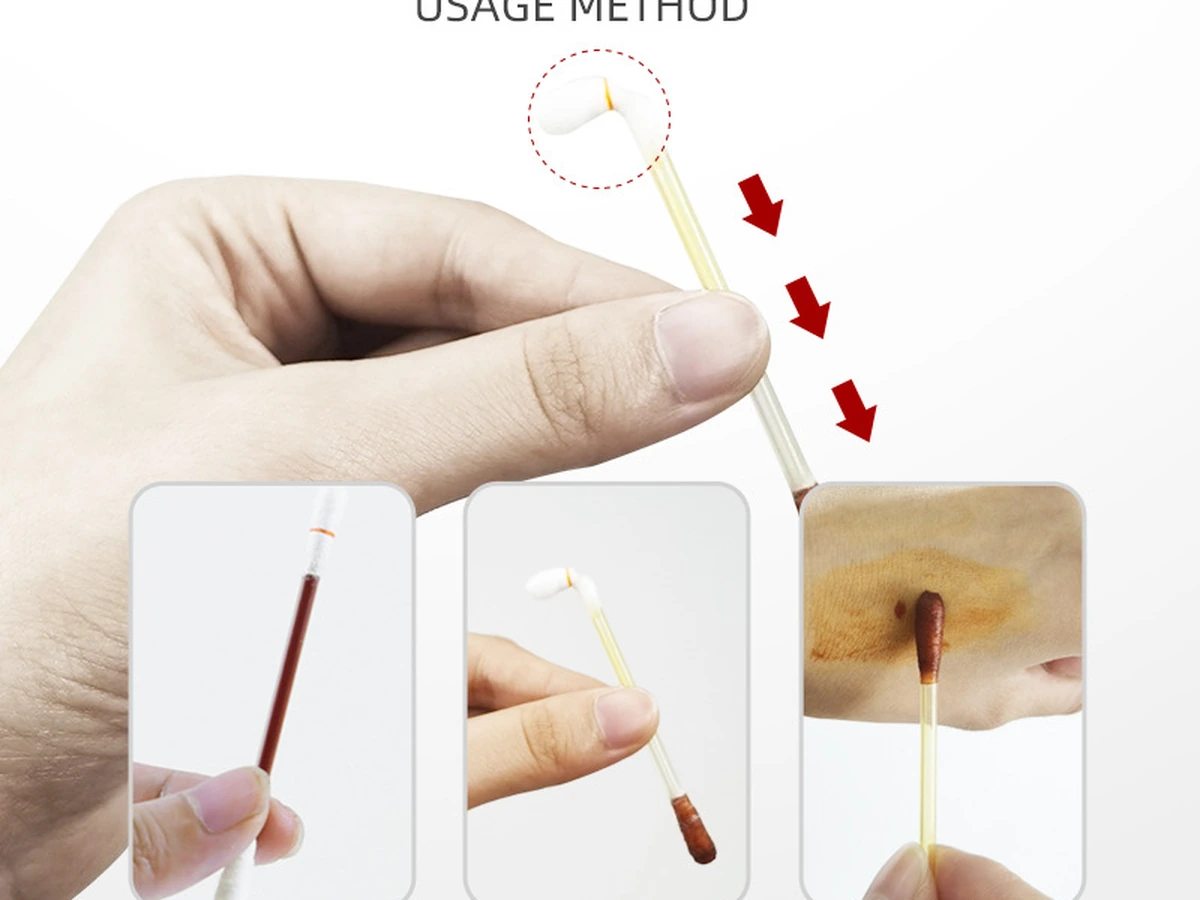
Kompatibilität mit der restlichen Studio-Materialliste prüfen
Diese Tupfer werden üblicherweise zusammen mit anderen Hygieneartikeln für Tätowierungen gekauft. Käufer bestellen möglicherweise auch Handschuhe, Farbbecher, Patronenhalter, Schablonen, PMU-Zubehör, Pflegeprodukte oder Einwegartikel für die Reinigung im selben Bestellvorgang.
Hier kommt die Kategorieplanung ins Spiel. Wenn ein Einkäufer bereits Einwegartikel prüft, ist es sinnvoll, verwandte YABA-Produktkategorien wie Tattoo-Zubehör, PMU-Zubehör, Kartuschen und andere Studio-Verbrauchsmaterialien zu berücksichtigen. Ziel ist es nicht, wahllos Artikel hinzuzufügen, sondern eine Materialliste zu erstellen, die den Arbeitsabläufen im Studio entspricht.
Wie können Lieferanten Studio- und Vertriebskäufer unterstützen?
Auch bei kleineren Verbrauchsartikeln ist die Unterstützung durch den Lieferanten wichtig. Käufer benötigen möglicherweise Produktfotos, Verpackungsdetails, Informationen zur Mindestbestellmenge, Möglichkeiten zur Kombinationsbestellung oder Informationen zu Eigenmarken. Bietet ein Lieferant nur einen Artikel ohne ausreichende Unterstützung an, kann es für den Käufer schwierig werden, eine stabile Lieferkette aufzubauen.
Studios und Vertriebsfirmen sollten sich vor einer größeren Bestellung erkundigen, ob der Lieferant wiederholte Bestellungen, den Kauf gemischter Produkte und eine klare Kommunikation unterstützen kann.
Produktinformationen sollten leicht zu verwenden sein
Gute Produktinformationen helfen Künstlern, Mitarbeitern im Empfangsbereich, Vertriebspartnern und Online-Shop-Teams. Käufer benötigen eindeutige Produktnamen, aussagekräftige Bilder und grundlegende Details wie Verpackungsinhalt, Einwegverpackung und Hinweise zur Lagerung.
Für das YABA-Jodtupferprodukt sind die Packungsgröße mit 50 Stück und die Einzelverpackung hilfreiche Merkmale für Produktseiten, Großhandelsangebote und Lagerbestände. Diese Details erleichtern es Käufern, das Produkt zu beschreiben, ohne die Produktbeschreibung in eine lange technische Abhandlung zu verwandeln.
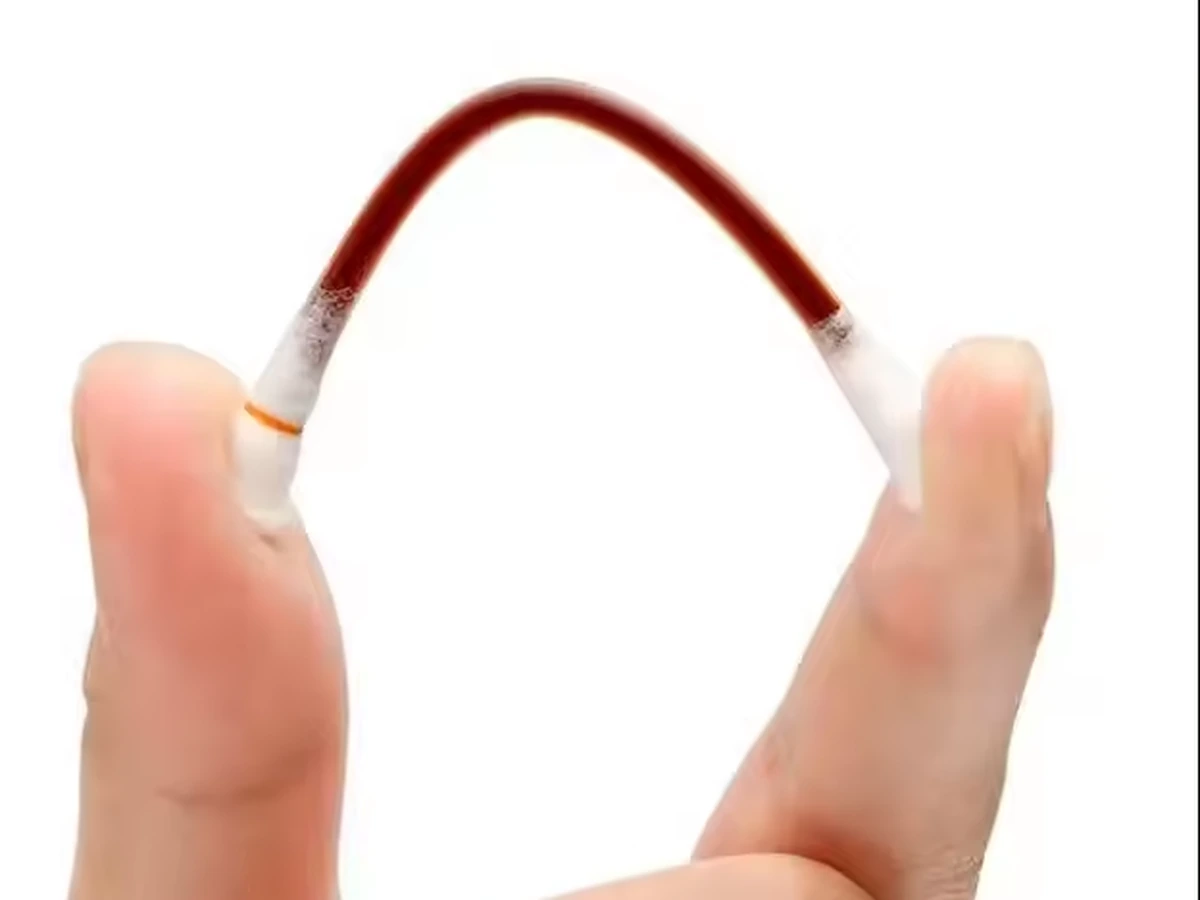
Vor größeren Bestellungen bitte Kontakt aufnehmen.
Vor einer größeren Bestellung sollten Käufer den aktuellen Lagerbestand, die Verpackungsdetails, die Kartonplanung und die Kombinierbarkeit des Produkts mit anderen PMU- oder Tattoo-Hygieneartikeln prüfen. Dies ist besonders hilfreich für Händler, die ein neues Sortiment an Studio-Verbrauchsmaterialien vorbereiten.
Studios und Großhändler können sich vor einer Großbestellung an YABA Tattoo wenden, um die Verfügbarkeit von Einweg-Jodtupfern, zugehörigem PMU-Zubehör, Tattoo-Zubehör und anderen Studio-Verbrauchsmaterialien zu bestätigen.
Abschluss
Der Kauf von Einweg-Jodtupfern ist keine komplizierte Entscheidung, doch für Tattoo- und Permanent-Make-up-Studios sollten Käufer das Produkt im realen Studio-Workflow bewerten. Die beste Wahl hängt nicht allein vom niedrigsten Stückpreis ab. Käufer sollten auch die Einzelverpackung, die Packungsgröße (50 Stück pro Box), die handschuhfreundliche Öffnung, den Workflow beim Schablonenauftrag, die Passform für PMU-Tabletts, die Lagerung, die Handhabung durch das Personal, die Nachbestellzeiten und den Kundenservice des Lieferanten berücksichtigen.
Für Tattoo- und Permanent-Make-up-Studios erleichtern sterile Jodtupfer die Handhabung der Reinigungsmittel, wenn sie in einem übersichtlichen Arbeitsplatz verwendet werden. Für Händler können sie Teil eines umfassenderen Sortiments an Hygieneartikeln für Tattoo- oder Permanent-Make-up-Studios werden.
YABA Tattoo bietet tragbare, sterile Jodtupfer für Tattoo-Studios und weitere Verbrauchsmaterialien für Kunden, die eine sauberere und einfacher zu handhabende Lieferkette wünschen. Der nächste praktische Schritt ist die Bestätigung der benötigten Verpackungsmenge, des Nachbestellvolumens, des Anwendungsfalls am Arbeitsplatz und des weiteren Studiobedarfs vor dem Kauf größerer Mengen.
Häufig gestellte Fragen
Frage 1: Sind Einweg-Jodtupfer für die Vorbereitung von Tattoo-Studios geeignet?
A1: Ja. Sie können Tattoo-Studios dabei helfen, einen kleinen Vorrat an Hautvorbereitungsmaterialien durch eine klarere Einweg-Handhabung, eine einfachere Einrichtung der Arbeitsplätze und eine bessere Lagerhaltung zu verwalten.
Frage 2: Worauf sollten Käufer achten, bevor sie sterile Jodtupfer in großen Mengen bestellen?
A2: Käufer sollten auf Einzelverpackung, Menge von 50 Stück pro Karton, handschuhfreundliches Öffnen, Arbeitsablauf in der Schablonenphase, Anwendungsfall der PMU, Lagerbedarf, Nachbestellzeitpunkt und Unterstützung durch den Lieferanten achten.
Frage 3: Können PMU-Studios Jodtupfer in ihre Materialliste aufnehmen?
A3: Ja. PMU-Studios können sie zusammen mit anderen kompakten PMU-Studio-Artikeln verwenden, sollten aber vor dem routinemäßigen Einsatz die Produktanweisungen, das Serviceprotokoll, den Prozess zur Sensibilitätsprüfung des Kunden und die Tablettkonfiguration überprüfen.