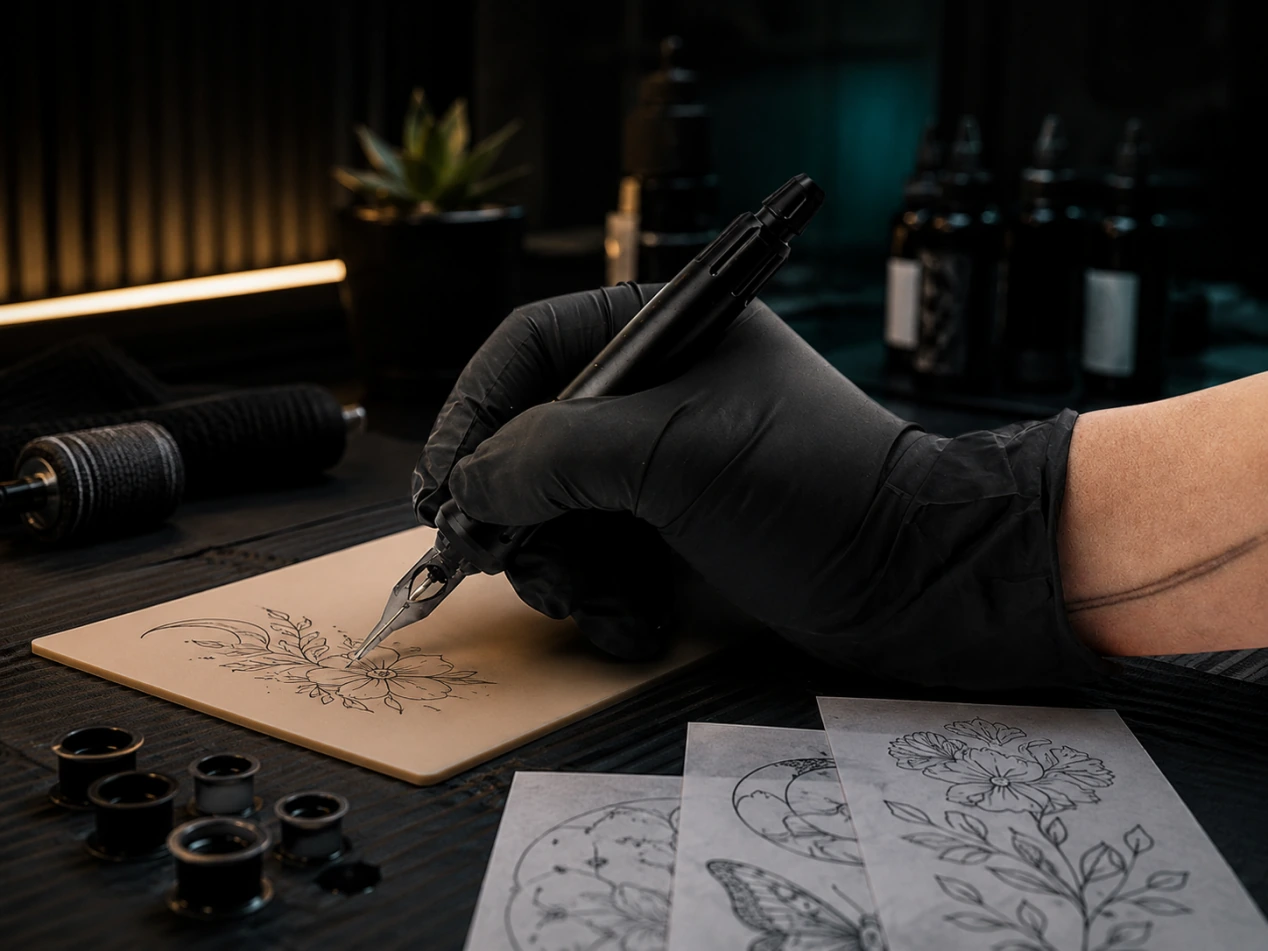
Hand poke tattooing creates a tattoo through controlled manual needle movement rather than a motor-driven tattoo machine. That makes the setup look simpler, but it does not make the process casual. A professional hand poke tattoo still depends on appropriate tattoo-grade tools, deliberate design preparation, organized pigment handling, practice, clean workstation habits and a clear aftercare plan.
The biggest difference is where control comes from. A machine creates repeated needle movement mechanically. In manual tattooing, the artist creates each movement by hand. That changes the pace of the work and makes grip, placement consistency and preparation especially important.
For artists exploring the technique professionally, the useful starting point is not “How little equipment can I use?” It is “Which hand poke supplies support a controlled workflow from practice to finished service?”
What Makes Hand Poke Tattooing Different From Machine Work?
The defining difference is mechanical movement. A conventional tattoo machine moves the needle repeatedly through a motor or other powered mechanism. Hand poke tattooing leaves that repeated movement to the artist.
That changes the working rhythm without changing the need for a professional setup.
Manual Movement Changes the Pace
Each mark in manual tattooing depends on deliberate hand movement. There is no motor continuously cycling the needle while the hand travels along the design.
For that reason, hand control and visual reference become closely connected. The artist needs a clear idea of where the design is going, how the tool is being held and whether the working position remains comfortable as the piece develops.
A stick and poke tattoo can therefore look minimal from the outside while still requiring careful preparation behind the scenes.
Fewer Powered Parts Do Not Mean Improvised Tools
Removing a machine does not mean replacing professional equipment with household needles, improvised pigments or an uncontrolled workspace. Hand poke tattooing still belongs in the same professional environment as other tattoo services.
A dedicated manual holding tool gives the needle system a more defined grip structure. Professional supplies also make the setup easier to organize because every component has a known role instead of being assembled from unrelated objects.
Which Hand Poke Supplies Form the Core Setup?
A hand poke setup can be compact, but it still needs several functional groups: the manual holding system, tattoo-grade needles, suitable pigment, pigment cups, stencil materials and supporting disposable supplies.
The Holding Tool Creates a More Defined Grip
A dedicated hand poke tool does not automate the process. Its job is much simpler: give the artist a consistent structure for holding and controlling the needle system.
The Yaba Cartridge Hand Poke Tool is positioned as an aluminum manual hand-poke tool. It provides a relevant example of how a purpose-built holder can replace the improvised “bare needle in the fingers” idea often associated with casual stick-and-poke discussions.
Supporting Supplies Complete the Working System
The tool is only one part of the station. Pigment still needs a controlled place. The design still needs to be prepared. Disposable working supplies still need to be arranged before the session.
That is why a hand poke supplies list becomes more useful when it is built around stages of work rather than around the pen itself.
Why Is Practice Important Before Hand Poke Studio Work?
Manual control becomes easier to evaluate when the artist can repeat the same movement without changing five other variables at the same time.
Practice material gives that repetition somewhere to happen before professional client work.
Flat and Shaped Practice Surfaces Train Different Problems
A flat sheet is useful for repeating lines, dots, spacing and simple design paths on a predictable surface. A three-dimensional practice form adds another challenge because the hand position must adapt as the surface curves.
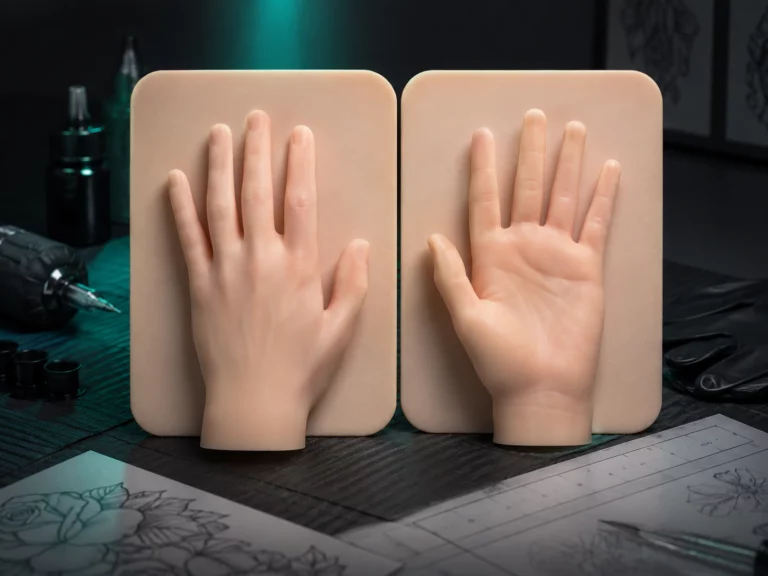
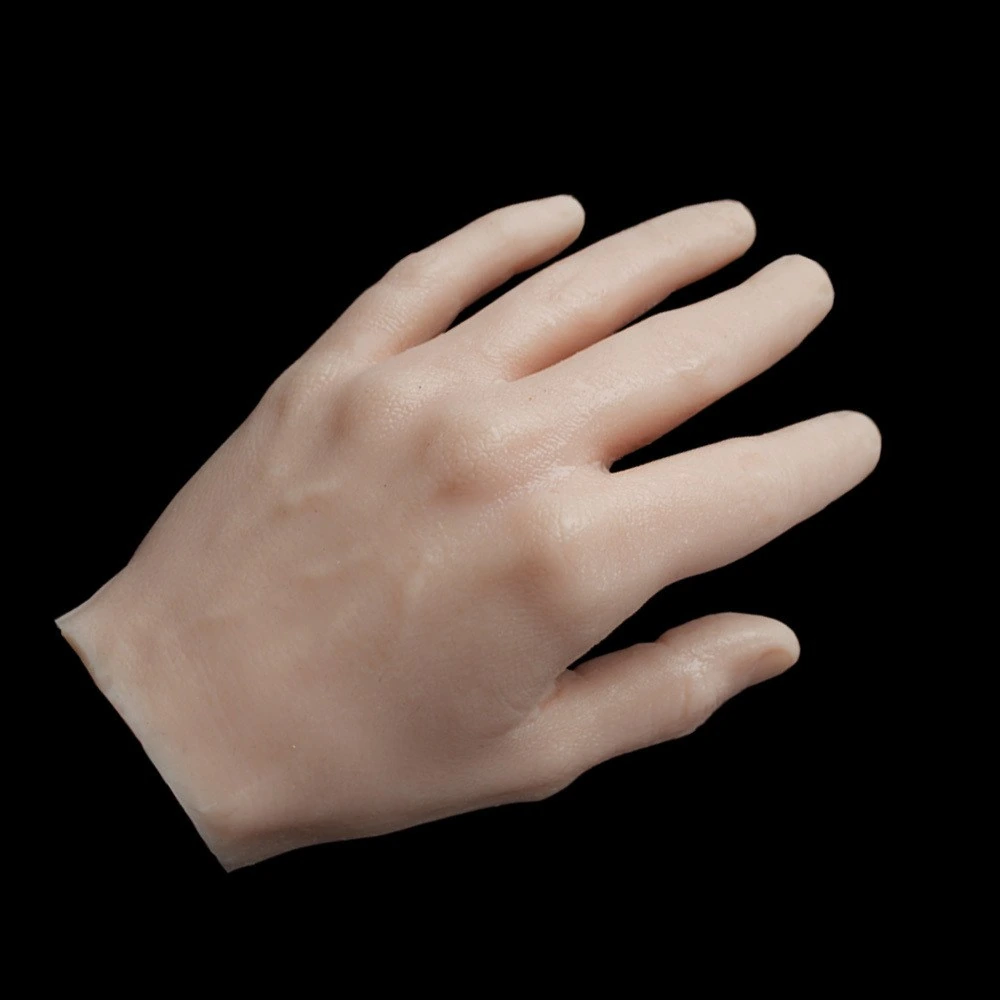
YaBa Tattoo Practice Skin product page includes soft-silicone practice forms with visible hand contours and surface detail. For hand poke tattooing practice, the useful point is not whether synthetic material perfectly copies living skin; it is whether the surface makes repeated control exercises easier to compare.
Practice Works Better When One Variable Changes at a Time
A useful training session does not need a complex finished design. Straight paths, curves, repeated dots and small shapes can expose changes in grip and hand position more clearly.
Keep the tool, practice surface and basic exercise consistent. If something changes, change one factor and compare the result. That produces more useful feedback than constantly adjusting the entire setup.
How Does a Stencil Fit Into a Hand Poke Tattoo?
Because manual tattooing develops mark by mark, a clear design reference matters throughout the session. The stencil is not simply a decorative outline added at the beginning; it helps preserve the intended relationship between individual placements and the complete design.
A Clear Transfer Gives Manual Work a Stable Reference
Design preparation begins before the hand poke tool reaches the workstation. The source artwork, printing method, transfer paper and transfer product all influence whether the reference remains easy to read.
For a broader selection of transfer gels and related preparation products, YABA Tattoo Stencil Stuff can support the stencil side of a hand-poke supply range without tying the setup to one printer or one transfer formula.
Placement Decisions Belong Before the Tattooing Stage
A manual technique does not make stencil correction less important. If placement is not right, correcting it before tattooing is more useful than trying to compensate through hand movement later.
That keeps design decisions and tattooing decisions separate. One stage establishes the map; the next follows it.
What Changes When Hand Poke Moves Into a Professional Studio?
The equipment footprint may be smaller, but the surrounding workflow still has to function like a professional tattoo service.
A Compact Station Still Needs Defined Zones
Pigment, the active tool, stencil materials, clean supporting supplies and waste handling should not collapse into one small pile simply because fewer machines are involved.
The same workstation principle applies here as in a larger machine setup: keep what is active close, keep backups separate, and remove products from the immediate area when their role is finished.
This is especially useful for a small hand poke tattoo station because the main advantage of a compact setup disappears if the surface becomes crowded with unrelated items.
Minimal Equipment Makes Organization More Visible
In a large station, clutter can hide among cables, machines and trays. In a small manual tattooing setup, every unnecessary product becomes obvious.
That makes hand-poke work a good test of whether the studio actually understands its own workflow. If five products have no defined position before the session starts, reducing the number of powered devices will not solve the organization problem.
Does a Hand Poke Tool Replace Good Technique?
No. A dedicated tool can improve the way the needle system is held, but it cannot create consistency on behalf of the artist.
The Tool Can Support a Repeatable Holding Position
Grip diameter, balance and the position of the needle relative to the fingers can affect how natural the tool feels during repeated movement.
A purpose-built hand poke holder gives the hand a defined object to control instead of asking the fingers to grip a very small bare component. That can make the setup easier to repeat from one practice session to another.
Technique Still Controls the Result
A tool cannot automatically control spacing, design accuracy or movement consistency. Those depend on training, visual judgment and repetition.
This is an important distinction for buyers as well. A more polished hand poke tool may make a kit easier to present and use, but it should never be marketed as a shortcut around professional skill.
How Does Pigment Preparation Fit Into Manual Tattooing?
Hand poke tattooing may use less equipment than a machine station, but pigment still needs the same planning before the work begins.
Pigment Needs a Stable Place in a Small Setup
Open pigment should not compete with stencil products, wipes and backup items for the same few centimeters of workstation space.
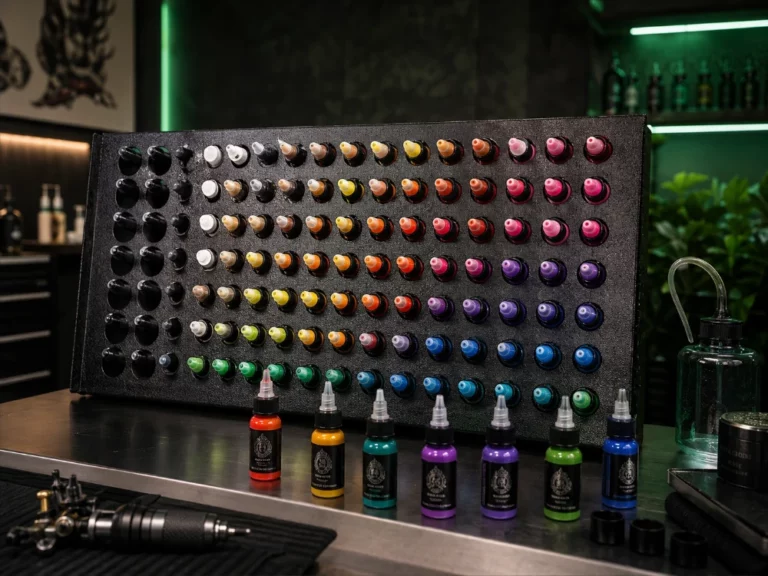
Small cups and holders are useful because they keep only the required amount of working pigment near the artist. For multiple colors, a clearly arranged sequence can also reduce confusion as the design progresses.
A stick and poke tattoo may be small, but a small design does not automatically mean the station can be improvised.
Preparation and Tattooing Are Separate Stages
Pigment selection, stencil preparation and workstation arrangement are easier to manage before manual tattooing begins.
Once the artist starts working, the setup should already answer the basic questions: where is the active pigment, where are clean backup supplies, and what can leave the station because it is no longer needed?
Where Does Aftercare Fit Into a Hand Poke Workflow?
The service does not end with the final mark. The finished tattoo still enters an aftercare stage, so protective and care products belong in the overall supply planning even though they are not part of the hand poke tool itself.
Protection Belongs to the Full Service Plan
Studios may use different approved aftercare approaches depending on their professional protocols and the products selected for the client. The key purchasing point is to plan the finishing stage instead of treating it as something unrelated to the tattoo setup.
YABA Protective Films category gives studios and distributors a separate product family for the protection stage, keeping aftercare distinct from the needles, stencil and pigment side of the order.
Supply Planning Needs to Reach Beyond the Procedure
A hand poke supplies range that contains only the manual pen is incomplete from a studio or wholesale perspective. The surrounding workflow also uses practice materials, transfer products, pigment accessories, protective products and other routine consumables.
That broader view is especially useful for distributors trying to build a range that makes sense to a studio rather than a collection of unrelated SKUs.
When Does Hand Poke Tattooing Fit a Studio’s Service Mix?
Hand poke tattooing is most useful when it fits the artist’s technique and the type of work the studio intends to offer. It does not need to replace machine tattooing to have a place in the room.
Manual Technique Can Be Its Own Working Category
Artists interested in manually built lines, dot-led work or quieter equipment may choose to develop hand-poke skills alongside machine work.
That gives the studio another technique category without requiring the manual setup to imitate a wireless or rotary machine station.
Not Every Project Benefits From the Same Method
Large areas and workflows built around fast repeated machine movement create a different set of requirements. Hand poke tattooing should not be presented as the universal answer simply because its equipment list is smaller.
The method earns its place when the artist deliberately wants the manual process and has trained for it.
How Can Buyers Build a Broader Hand Poke Supply Range?
For a distributor, one hand poke pen is a product. A usable hand-poke range is a system.
Supporting Products Make the Range Easier to Use
Think beyond the manual tool:
practice material supports training; stencil supplies support design transfer; pigment cups support station organization; protective products support the finishing stage.
Those categories make it easier to serve artists at several stages instead of selling one product with no surrounding workflow.
Custom Programs Need to Start With the Range Structure
Private-label buyers can decide whether the range is intended for beginner practice, professional manual tattooing, studio resale or a broader tattoo-supply catalog before discussing packaging and branding.
For a coordinated program, buyers can build a private-label hand-poke and practice range with YABA around the target market, product combination and branding requirements rather than treating each accessory as an unrelated OEM request.
Conclusion
Hand poke tattooing works through manual control, but the technique is much more than a needle and pigment. Practice material, stencil preparation, grip structure, pigment organization, workstation planning and aftercare all support the same workflow.
The useful advantage of manual tattooing is simplicity with intention, not simplicity through missing steps. A dedicated hand poke tool can support the artist’s grip, and a compact set of hand poke supplies can keep the station efficient, but neither replaces practice or professional technique. Build the setup around the complete path from training and design preparation to studio work and finishing care.
FAQs
Q1: What is hand poke tattooing?
Hand poke tattooing is a manual tattoo method in which the artist controls the needle movement by hand instead of using a motor-driven tattoo machine.
Q2: What supplies are used for a hand poke tattoo?
A professional setup can include a dedicated hand poke holding tool, appropriate tattoo needles, tattoo pigment, pigment cups, stencil products, workstation disposables, practice material and aftercare supplies.
Q3: Why is practice skin useful for learning hand poke tattooing?
Practice skin provides a repeatable surface for working on hand position, spacing and design-following exercises before those skills are used in professional client work.