A tattoo studio lighting setup should help artists see skin texture, stencil lines, pigment edges, and needle movement without forcing the client or artist into awkward positions. For fine line and PMU work, the buyer is not just choosing brightness. The real decision is beam control, shadow reduction, mounting style, adjustability, and how the tattoo light fits into the daily workstation.
Studios that buy lighting only by wattage often miss the practical details. A strong light can still create glare, block the artist’s hand, or leave shadows near the brow, lip, or fine-line area. A better purchase starts with the work type, then matches the LED tattoo light to chair position, artist posture, camera needs, and station space.
Why Does Tattoo Studio Lighting Affect Fine Line And PMU Work?
Fine line tattoos and PMU services both ask for close visual control. The artist works near small edges, soft shading changes, and narrow transitions. If the tattoo studio lighting is uneven, the artist may move the client more often, lean closer than necessary, or spend extra time checking the same area from different angles.
Small Shadows Can Change The Working Rhythm
The issue is not only whether the room is bright. A narrow shadow from a hand, cable, lamp arm, or client position can cover the line that matters most. Buyers should test whether the tattoo light can be moved without interrupting the artist’s posture. For PMU, the same logic applies around brows, lips, and eyeliner work.
When a studio reviews professional lighting, the first comparison should be between fixed room light and task-level control. An LED tattoo light gives the artist a closer source that can follow the service area, while room lighting supports general visibility. Both matter, but they do different jobs.
What Should Buyers Check Before Choosing A Tattoo Light?
A buyer should check more than product photos. The useful test is whether the light head, arm, stand, and control position match the real station layout. Some studios need a lamp that moves between stations. Others prefer wall-mounted or cart-supported lighting because floor space is limited.
Mounting Style Should Match Room Layout
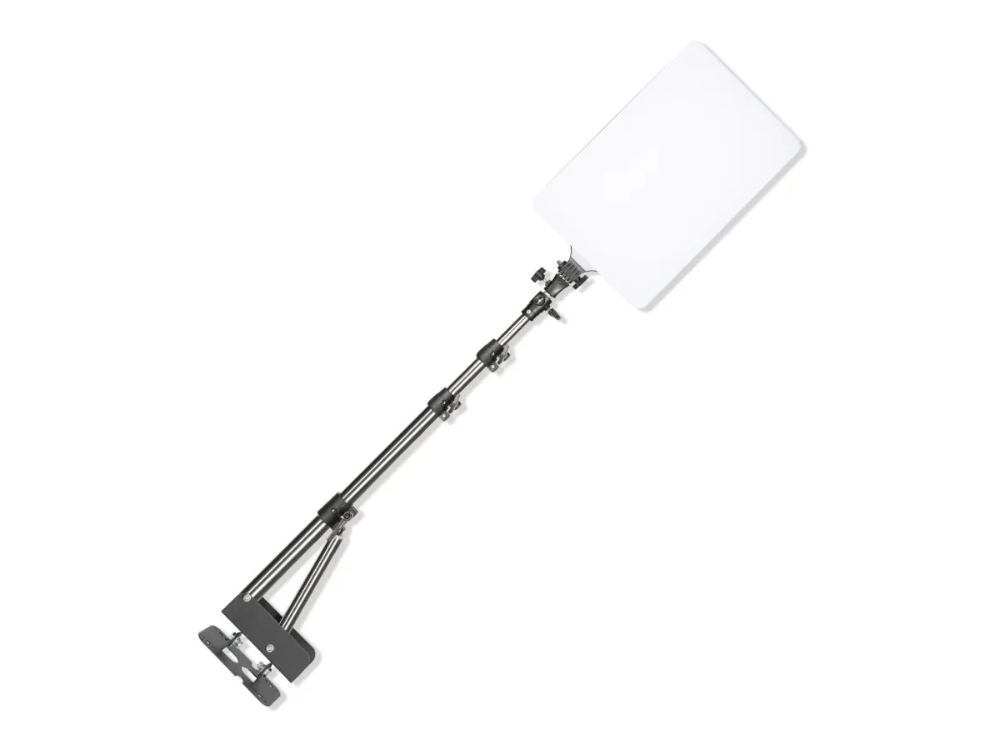
Wall-mounted lighting keeps the floor clearer, which can help compact studios and PMU rooms. A tripod-style tattoo work lamp can be easier to move between stations. A workstation-mounted option can keep tools and lighting in the same working zone. Before buying, studios should sketch where the chair, artist stool, trolley, mirror, and cable path sit during a normal appointment.
For studios that prefer wall support and a wide panel, Yaba PL-48 large panel telescoping tattoo wall light gives buyers a clear product direction for adjustable tattoo studio lighting. The product question then becomes practical: can the arm reach the work zone without crowding the artist?
How Much Adjustability Does A Fine Line Station Need?
Fine line work often changes hand angle across the same design. One line may need the light from above; another may need it shifted slightly to the side. A good LED tattoo light should let the artist adjust the source without stopping the flow of work or moving the client too often.
Dual Sources Help Reduce Hard Shadows
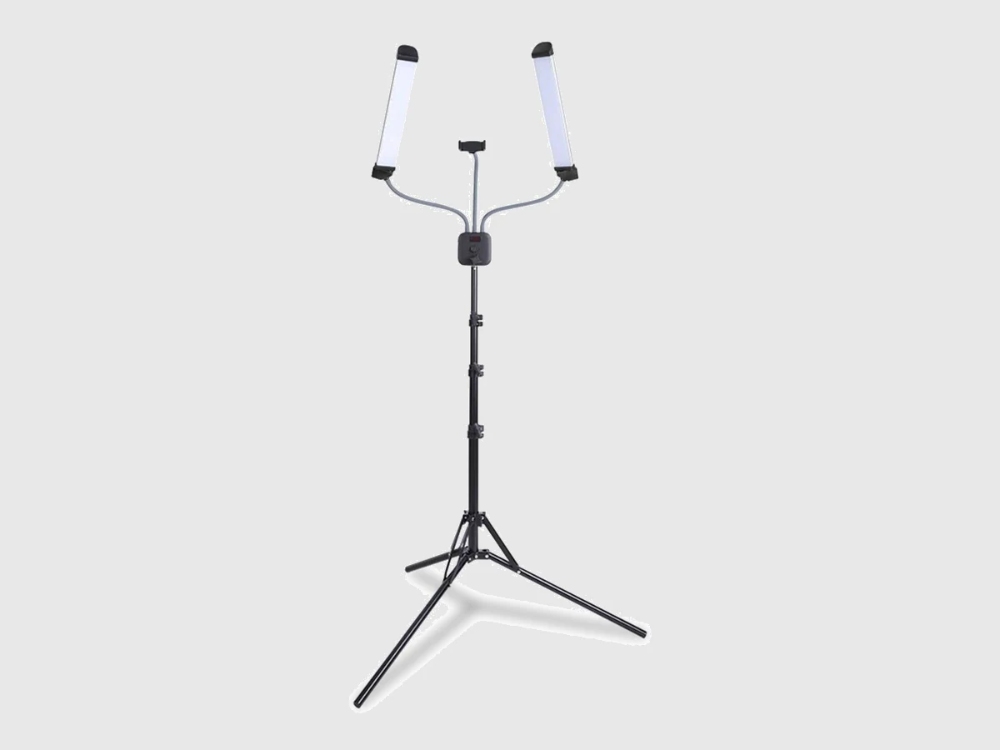
Two light heads can be useful when the artist wants softer shadow control from different angles. This matters for fine line, small lettering, brow mapping, and photo checks after a session. The buyer should check whether both heads can be aimed independently and whether the stand remains stable after repeated adjustment.
For stations that need flexible angle control, the Yaba double arm LED spotlight with tripod fits a buying scenario where a mobile tattoo work lamp must serve different service areas. Buyers should still confirm floor space and cable management before ordering for multiple rooms.
Which Lighting Details Matter Most For PMU Rooms?
PMU work often happens closer to the face, so the tattoo workstation light must support detail without making the client uncomfortable. Glare, heat, and a lamp head that sits too close to the face can make the appointment harder. The buyer should look at light position, angle range, and whether the artist can adjust the lamp while seated.
Comfort And Control Should Be Tested Together
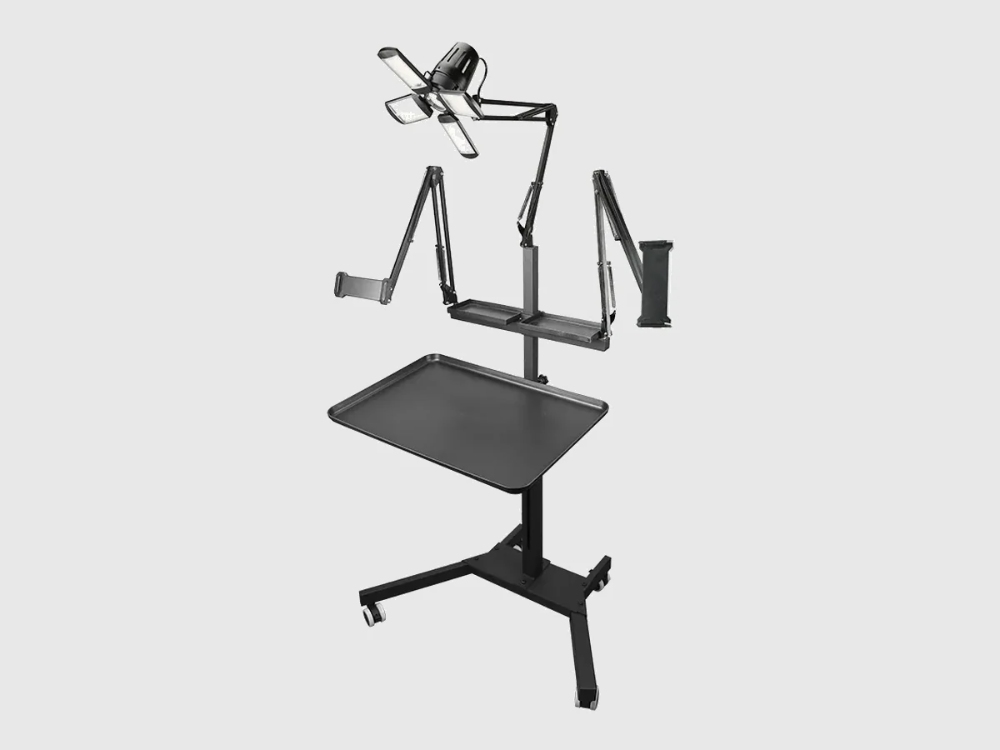
A PMU room may need steady brightness for mapping, pigment work, and after-service photos. The tattoo workstation light should support those steps without forcing the artist to turn the client’s head repeatedly. Buyers should also check whether the lamp position leaves room for trays, pigment cups, gloves, and camera use.
When lighting is part of a broader furniture decision, Yaba multi-function tattoo station with light gives buyers a combined reference for workstation storage and light placement. That can be useful when a studio wants cleaner station organization rather than another separate floor stand.
How Should Distributors Compare Studio Lighting Products?
Distributors need lighting options that are easy to explain. A product line should not be described only as bright or professional. Sales teams need to separate wall lights, tripod LED tattoo light options, workstation lighting, and photography-related lights by use case. This makes it easier for studios to choose a product that fits the room, not just the price range.
Use Case Labels Make The Catalog Easier To Sell
A practical catalog can label one tattoo light for compact wall-mounted rooms, one for mobile station use, one for PMU workstation planning, and one for product or portfolio photography. These labels help the buyer move from a vague lighting request to a workable station plan.
Buyers can also review the wider tattoo suppliers range when lighting is part of a full studio refresh. At this stage, it is better to request lighting dimensions, mounting options, carton details, and matching station accessories instead of asking only for a single lamp price.
When Should A Studio Upgrade Its Lighting Setup?
A studio should review tattoo studio lighting when artists start using extra phone lights, when brow mapping takes longer than expected, when photos look inconsistent, or when different stations produce different visual results. These signs do not always mean the artist needs a stronger lamp. Often, the station needs better light placement and easier adjustment.
A Lighting Upgrade Should Reduce Daily Friction
The best upgrade is the one artists actually use during every appointment. If a tattoo work lamp is hard to move, blocks supplies, or feels unstable, staff will work around it. If it moves smoothly and keeps the work area clear, it becomes part of the station routine. That is the point where lighting starts to support service quality and staff comfort.
For buyers comparing machines, aftercare items, and studio furniture at the same time, Yaba Tattoo can serve as a starting point for building a fuller purchasing list before narrowing down the exact tattoo workstation light.
Conclusion
A tattoo studio lighting setup should be chosen from the way the room is used, not from brightness alone. Fine line artists need shadow control and easy angle changes. PMU artists need close detail, client comfort, and stable workstation visibility. Distributors need clear product labels that separate a wall-mounted tattoo light, a mobile LED tattoo light, and a combined tattoo workstation light. If your studio or buying team is comparing lighting options for a new room, a PMU station, or a wholesale catalog, use the Yaba contact page to request model details, packing information, and matching supply recommendations.
FAQs
Q1: What is the best tattoo light for fine line work?
A1: Choose an adjustable LED tattoo light with stable angle control and low glare.
Q2: Does PMU need a different tattoo workstation light?
A2: Often yes. PMU rooms need close detail, comfort, and easy seated adjustment.
Q3: How should buyers compare tattoo studio lighting?
A3: Compare mounting style, reach, stability, shadow control, and workstation fit.