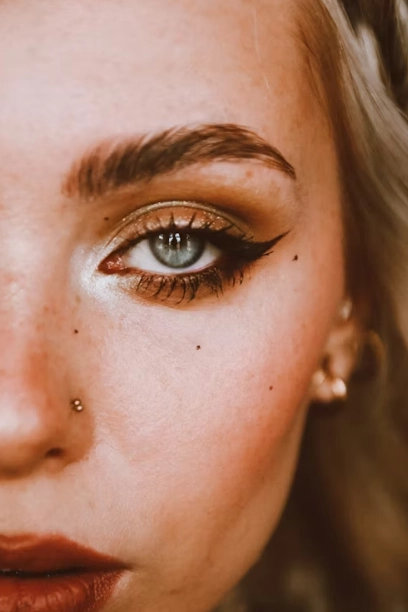
Semi-permanent eyebrow tattoo procedures have truly transformed the beauty world. They give clients brows that stay put and resist smudging for a good while. Among the top choices are microblading and powder brows. These represent two separate approaches. Each comes with its own set of tools, ways of healing, and visual results. For experts in permanent makeup, picking the best option means more than just skill with the tools. It calls for a custom fit based on a client’s skin, tastes, and daily routine.
What Are the Key Technical Differences Between Microblading and Powder Brows?
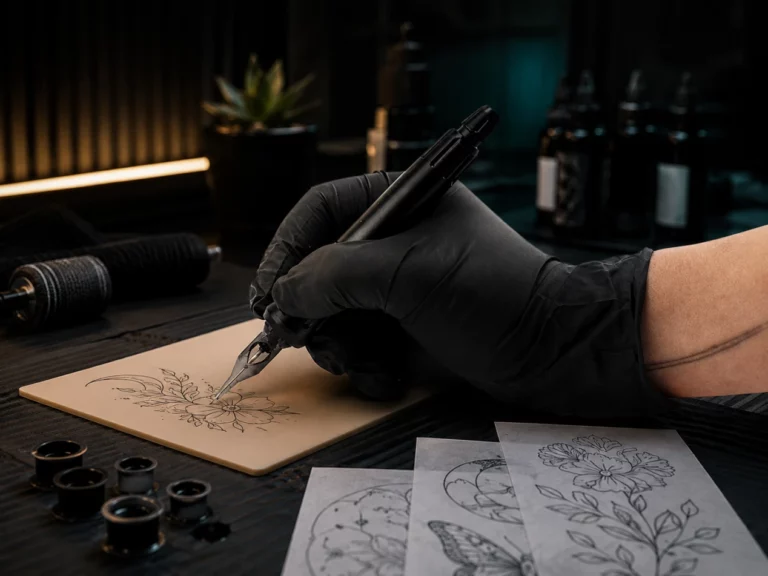
Microblading uses a hand-held tool with very thin needles. The end looks copies real brow hairs closely. It works great for people wanting a gentle, fluffy style. This method shines on skin that’s normal or on the dry side, with tiny pores. In such cases, the sharp lines hold up well.
What Is the Powder Brow Technique and Why Is It Ideal for Certain Clients?
Powder brows, on the other hand, rely on a machine for permanent makeup. This device puts color in by tapping gently. The effect comes out foggy and filled, much like makeup applied with powder. The shading fits well for skin that’s oily or on older folks. That’s because the color sticks better there. It also avoids fuzzy edges. Unlike microblading, this way doesn’t slice the skin. So, it’s kinder and leads to less upset in the area.
How Do Skin Types Influence Technique Selection?
Microblading depends on clear, defined lines. But on oily or very touchy skin, those lines can get soft or disappear too soon. This happens from too much oil and quick skin changes. Such issues often lead to a bumpy recovery. Plus, the color doesn’t stay as long as hoped.
Why Are Powder Brows Preferred for Oily or Aging Skin?
The powder approach gives better hold on rough or oily surfaces. Its dotted shading spreads the color over a wider spot. This leads to even wear over time. It cuts down on color shifting or spotty spots. Older clients like it too. The low upset makes the recovery steady and reliable.
How Long Do Results Last and What Maintenance Is Required?
Microblading usually holds for 12 to 18 months. Powder brows, however, keep their bright look for 18 to 24 months until a refresh. The gap comes from how the color bonds with the skin. Shaded areas tend to lose color in a smooth way, unlike single lines.
How Often Are Touch-Ups Needed and How Does Fading Occur?
With microblading, the separate hair lines mean fading shows up patchy. Clients spot empty spots or thin parts earlier. This pushes for touch-ups more often. For powder brows, the wear happens slowly. The shape and fullness stay solid longer between visits. That’s thanks to the wider way the color goes in.
How Do Aesthetic Outcomes Vary Between Techniques?
People who want just a light boost often pick microblading. Its stroke-by-stroke style feels real and subtle. But if someone aims for a stronger, steadier look—like daily powder makeup—powder brows suit them better.
Can Each Method Be Customized for Unique Looks?
Absolutely. For microblading, artists can do nano brows. This uses a machine for strokes with even less upset. Or combo brows mix hand strokes up front and machine shading at the end. That adds some depth. Powder brows have options too, like ombre styles. These get darker toward the end and fade lighter at the start. There’s also soft shading for a smooth slope over the brow’s curve.
What Are the Healing Differences Between Techniques?
For microblading, the outer healing takes 7 to 14 days. The full look shows up after 4 to 6 weeks. Clients might see more peeling from the small cuts. Powder brows recover quicker, in 5 to 10 days. There’s less peeling or bother since the method doesn’t cut in.
How Should Aftercare Be Adjusted for Each Method?
Basic care means steering clear of water hits, heavy sweat, sun, and any brow makeup or lotions while it heals. Use the healing cream as the tech says. For microblading, be extra careful. The open spots need top hygiene to avoid bugs or color loss. Powder brow folks have fewer worries about upset leading to color moves or marks.
What Tools and Equipment Are Essential for Performing Each Technique?
Microblading calls for hand pens with clean, one-time blades. The colors are often from iron oxide bases. They match personal skin tones for a smooth mix.
Which Machines and Cartridges Support Powder Brows?
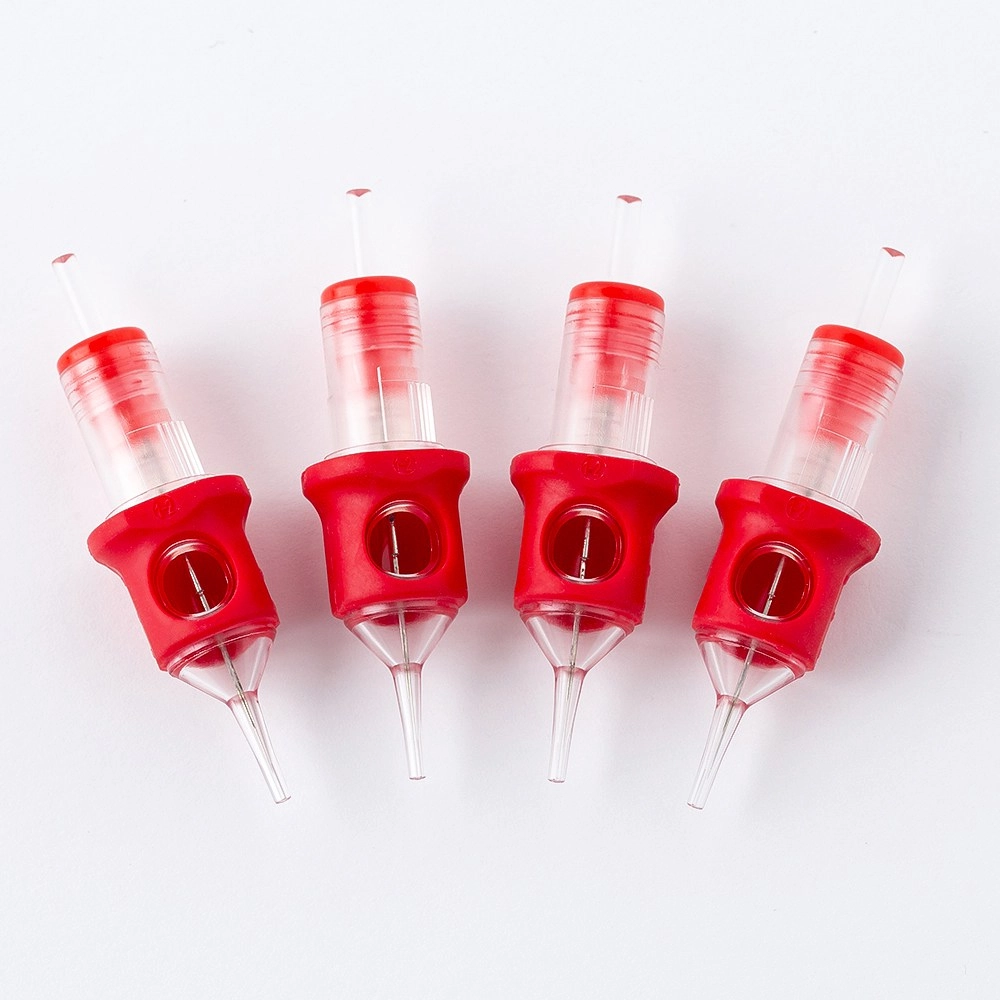
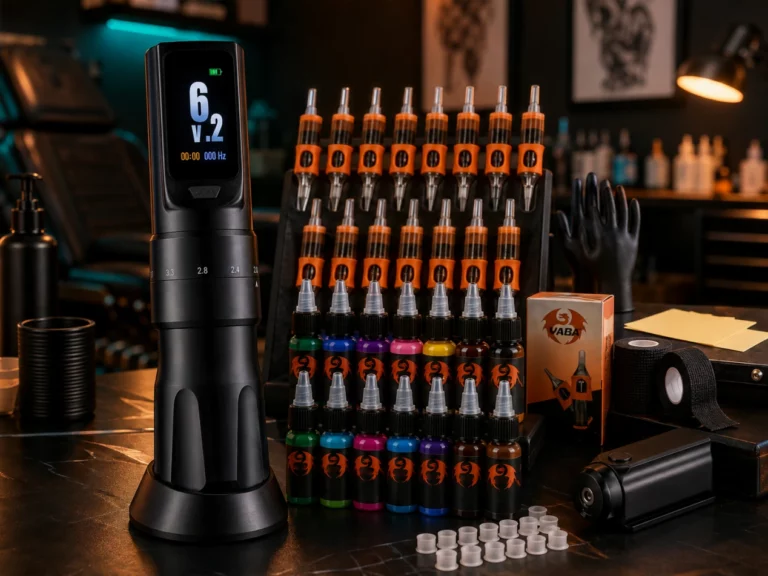
To shade powder brows, you need a sharp digital PMU tool. The LOLA AIR Wireless Battery PMU Pen Machine stands out here. It gives smart wireless options and a comfy grip for steady work. With three 1500mAh batteries, it runs up to six hours without a break. That’s perfect for full days in the studio or quick client switches. For the best shading, try needle cartridges like the Diamond PMU Needle Cartridges. They boost color flow and keep things stable. These have clear views and a barrier against fluids. All this ensures safe and exact work in every step.
What Safety Protocols and Training Are Required?
Techs need to finish approved courses. These teach not just the art side but also tight, clean rules. Good cleaning, with tools for one use and proper germ-killing, stops germ spread.
How Do Regional Licensing Laws Affect Practice?
Rules for licenses change by area. Some places require checks from health offices, coverage for risks, or set skills before starting semi-permanent makeup work.
How Can Artists Guide Clients Toward the Right Choice?
Talks with clients should check skin health, brow balance, daily life, like whether they’re active or not, and past beauty work. Go over health background too, especially skin issues or reactions to things.
Which Tools Help Set Realistic Expectations?
Artists can show computer images or pics of healed work before and after. These match the client’s traits and the picked method. Such visuals let folks see how form, color strength, and lasting time might play out.
Why Do Professionals Trust Yaba for PMU Supplies?
No matter if you’re perfecting stroke art or smooth ombre blends, solid gear makes a big difference in your skill. Yaba Tattoo Equipment Manufactory leads as a top manufacturer and shipper of tattoo items. They focus on high-end PMU machines, cartridges, add-ons, and practice skins just for permanent makeup.
Their drive for new ideas shows in items like the wireless LOLA AIR PMU Pen Machine and strong Diamond Needle Cartridges. Both come from input by pros with years in the game. Yaba ships worldwide and offers custom-made support. This lets artists grow their work while keeping standards high and even. Check out their whole line of beauty PMU tools here.
Comparison of Techniques Based on Key Factors
| Feature | Microblading | Powder Brows |
|---|---|---|
| Appearance | Natural hair-strokes | Soft shaded/makeup look |
| Skin Type Suitability | Dry/normal skin | Oily/mature/sensitive skin |
| Longevity | 12–18 months | 18–24 months |
| Healing Time | 7–14 days | 5–10 days |
| Maintenance | More frequent touch-ups | Less frequent touch-ups |
| Tools Used | Manual blade pen | PMU machine & cartridges |
FAQ
Q1: What is the main difference between microblading and powder brows?
A1: Microblading uses a manual tool to create hair-like strokes, while powder brows use a machine to deposit pigment in a shaded pattern that resembles filled-in makeup.
Q2: Which technique is better suited for oily or mature skin?
A2: Powder brows are more appropriate due to better pigment retention and lower risk of blurred strokes on textured or oily surfaces.
Q3: Can both techniques be combined in one treatment?
A3: Yes, combo brows integrate microblading at the front with machine shading on the tail for a natural yet defined result tailored to individual needs.