 Entering the world of tattoo artistry demands more than just creativity. It requires accuracy, self-control, and a solid grasp of methods. For new artists, the starting steps can shape their future growth. Tattooing builds on repeated movements, careful hand skills, and understanding of gear and skin reactions.
Creating a firm base is very important. Good planning, picking the right tools, and basic training help lower the chance of lasting mistakes. They also support safer and better learning. Sadly, many new artists make easy-to-avoid errors that slow their progress. By spotting these usual problems, beginners can speed up their path to being pros.
Mistake 1: Skipping Foundational Technique Training
One of the biggest errors a new artist can make is overlooking basic skills. Tattooing might look simple at first. But without correct form, steady results over time are almost out of reach.
How Poor Technique Impacts Long-Term Skill Development
New artists who start without learning the basics often pick up bad habits. These habits are tough to change later. Uneven lines and changing needle depth often cause scars or ink blowouts. Such issues can spoil the picture and harm the client’s skin. They come from not controlling hand speed, machine angle, and pressure well.
Also, wrong methods create faulty repeated movements. Once set in, these patterns are hard to fix. They can limit an artist’s improvement in shading, coloring, and line handling.
Key Elements of Technical Practice for Beginners
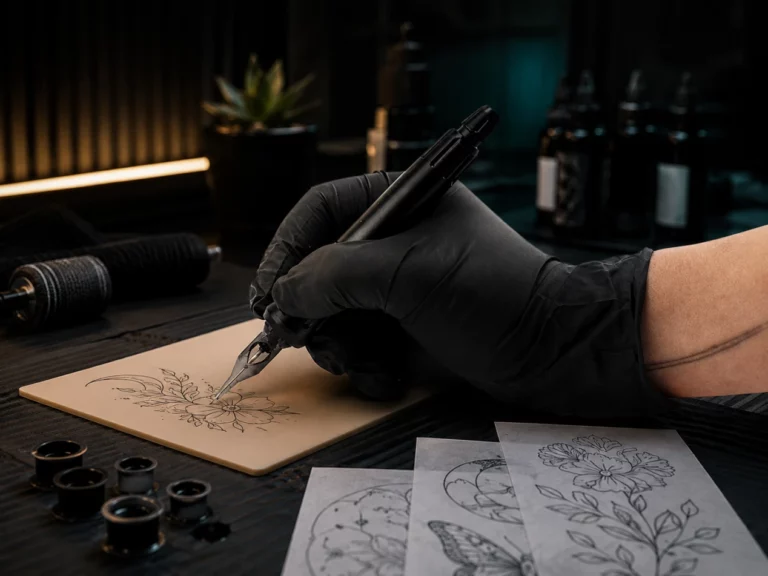
To grow skills on purpose, new artists should use planned practice. They need to focus on it step by step. Use synthetic skin: It lets artists copy real human skin feel and push back without danger. Master stretch techniques: Right skin pull helps the needle go in smoothly and evenly. Understand machine angle and movement: Keeping a steady angle makes clean lines. It also cuts down skin harm. Utilize beginner-friendly tools: Ballpoint cartridge needles work well for practice. They are safe and easy to handle. Planned exercises on straight lines, bends, and dots can speed up learning these main parts.
Mistake 2: Neglecting Proper Skin Preparation and Aftercare Knowledge
Before any ink hits the skin, prep must be complete. This matters a lot for the tattoo’s look. It also keeps clients safe.
Why Skin Prep Is Critical Before Tattooing Begins
Bad cleaning or shaving raises infection risks. It also hurts ink sticking well. Plus, not spotting skin types—like greasy or dry—can cause spotty color take-up. Artists need to learn cleaning with germ-killing items. They should avoid making skin sore during prep. And they must check the skin’s state first.
Aftercare Errors That Compromise Tattoo Quality
New artists often get aftercare wrong or explain it badly. Too much lotion can block healing skin from breathing. Not cleaning enough might lead to germs or crusts. Clients may get scared if their tattoo peels or flakes. This happens if artists do not tell them about normal healing steps.
Good aftercare advice covers these points. Washing with mild, scent-free soap. Putting on a thin coat of ointment or lotion. Staying out of sun and water dips for at least two weeks. Telling clients what to watch for makes healing easier. It cuts down on worries or extra fixes.
Mistake 3: Choosing the Wrong Equipment for Skill Level
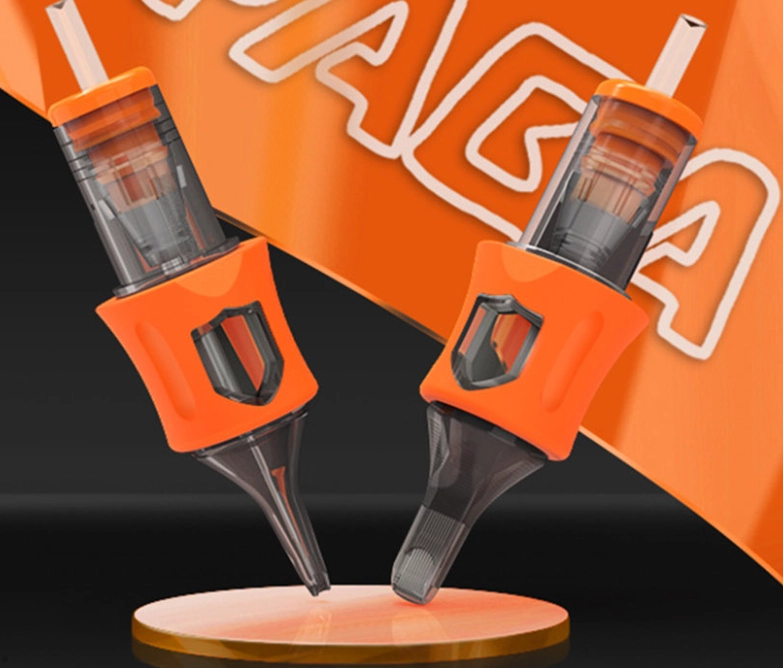
Lots of new artists want fancy machines or cheap online buys. They do this without knowing the details. Such choices can set them back a lot.
The Impact of Inappropriate Tools on Learning Progression
Gear with strong power or tricky settings can be too hard for beginners to use safely. In the same way, poor needles or inks give messy outcomes. They can shake confidence right away.
New artists should pick simple and safe items first. They matter more than extra features for experts.
Recommended Tools for Tattoo Beginners
Smart picks in gear can boost learning a great deal.
Entry-Level Machines and Cartridges
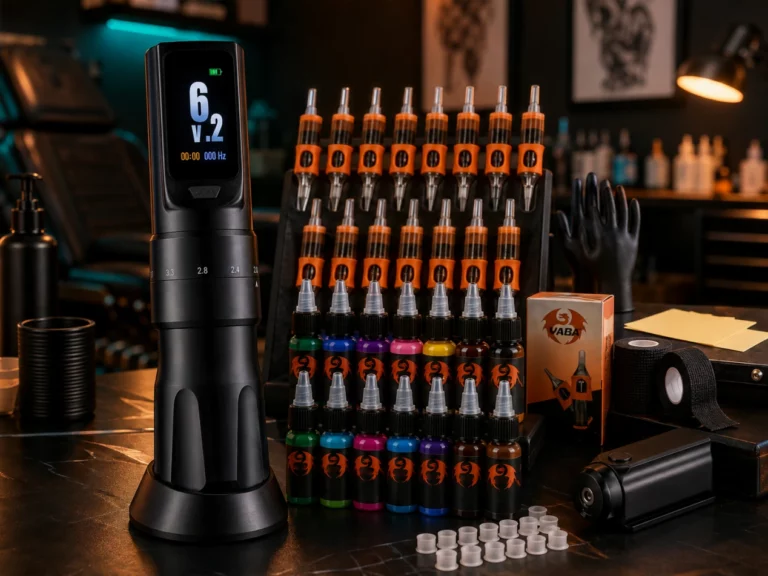
Wireless PMU pens with changeable voltage give new users light, simple-to-hold tools. These cut down arm tiredness. Diamond PMU needle cartridges bring exactness with less harm to fake or real skin.
Practice Materials
Silicone fake skins match human skin stretch. They let artists try real-looking drawings many times without issues. These items make sure basic methods are tried in near-real setups. At the same time, they keep risks low.
Mistake 4: Ignoring the Importance of Design Planning and Stencil Accuracy
Even with solid methods and gear, weak planning can wreck results. For new artists, big designs or messy stencils can mess up a good try.
Consequences of Poor Design Execution in Early Work
A usual problem is off-center stencils. This causes uneven shapes that fix nothing once ink goes in. Also, picking too hard designs without good basic lines can leave tattoos unfinished or twisted. Planning designs needs a careful way. It should stress evenness, size, and clearness.
Best Practices for Planning a Beginner-Friendly Tattoo Design
Keeping things simple is key in early days.
Simplifying Designs Without Sacrificing Aesthetic Value
Focus on thick outlines. Limit shading and skip fancy fades. Select easy sizes (2–4 inches). This helps artists zero in on neat work. They do not get lost in too many details.
Using Technology to Improve Stencil Transfer
New tools like Bluetooth stencil printers make clear copies without smears. This cuts worry and boosts design rightness in work times.
Mistake 5: Underestimating the Role of Hygiene and Workspace Setup
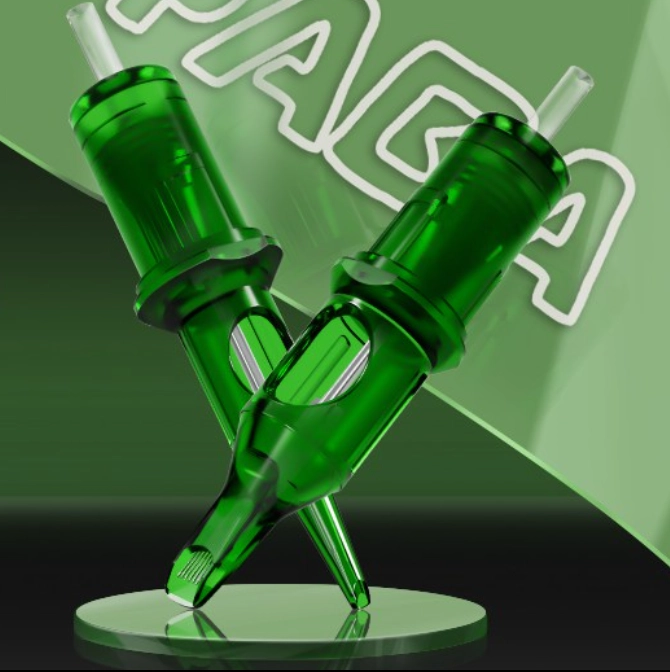
Clean habits are about more than client safety. They build a pro image too. New artists who skip this face health risks and lose trust.
How Poor Sanitation Habits Affect Safety and Credibility
Spreading germs is one of the worst dangers in tattooing. Not using right covers or cleaning spots can cause skin bugs. These can last and hurt a client’s body—and your job.
A messy work area wastes time too. It raises odds of slip-ups in steps.
Basic Setup Essentials
- Use disposable grips, barriers, gloves, and clean all spots before each time.
- Keep germ-fighters close by.
Workflow Optimization
Set tools in use order: stencil stuff → needles → ink → aftercare items. Keep a clean flow by cutting hand trips between spots. Starting clean ways from the first day keeps safety up. It also sets pro rules that clients like.
Yaba: Your Partner in Professional Tattoo Supplies
No matter if you are starting out or moving ahead in tattoos, top tools change everything.
Why Professionals Trust Yaba Tattoo Accessories
Yaba gives fine tattoo machines, cartridges, fake skins, stencil printers, and more. These fit new and skilled users. Their items are made for easy hold. They help learning paths while giving spot-on results from the start. Yaba’s big choice means artists do not grow past their gear fast. Each piece grows with your skills.
Commitment to Innovation and Quality Control
All items go through hard checks to match field rules. A focused help team guides from buy to use. This means you always get backing in your tries.
Check pro-level add-ons like wireless PMU pens, diamond cartridges, or Bluetooth stencil printers on their main site.
Key Takeaways for Avoiding Common Beginner Errors
Learning tattoos takes planned work and waiting. Here are main points every new artist should keep in mind:
Building a Strong Foundation Through Intentional Practice
Put quality ahead of amount. Spend time fixing line hold before hard works.
Choosing Tools That Match Your Current Skill Level
Skip fancy machines that might confuse you. Pick new-user gear that builds trust and rightness instead.
Treat Each Tattoo as a Learning Opportunity
Look back at your work after every time. Spot what was good and what to fix. This sharpens skills as time goes on.
FAQ
Q1: How do I know if I’ve chosen the right needle configuration for practice?
A1: Begin with round liners or magnums in cartridge format. They give better steadiness. Try them on synthetic skins to see line sharpness. Then tweak as needed before real skin.
Q2: What’s the best environment for practicing tattoo skills?
A2: Make a germ-free spot with no mess and bright lights. Put silicone skins on bent stands like fake arms to copy body shapes.
Q3: How often should I switch my equipment when practicing?
A3: Swap needles after big practice times or if lines get weak. Check machines often for damage. Good gear gives better hints in training.
By grasping these basic ideas on tattoo tips for beginners, new artists can skip usual traps. They build toward lasting wins in this tough but fun skill.